
Designing for How You Actually Live: Why Custom Cabinetry Starts with How a Kitchen Works — Not Just How It Looks
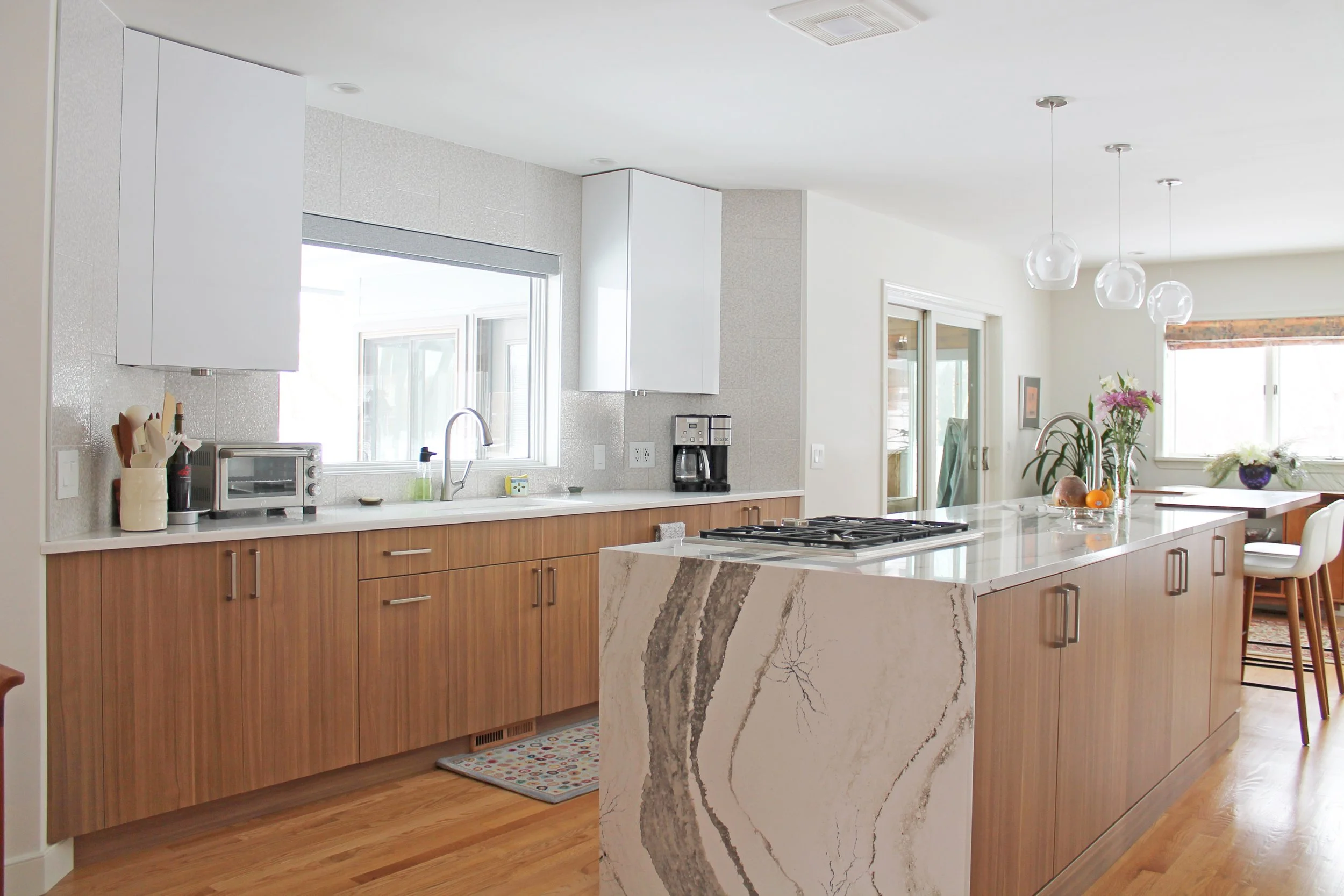
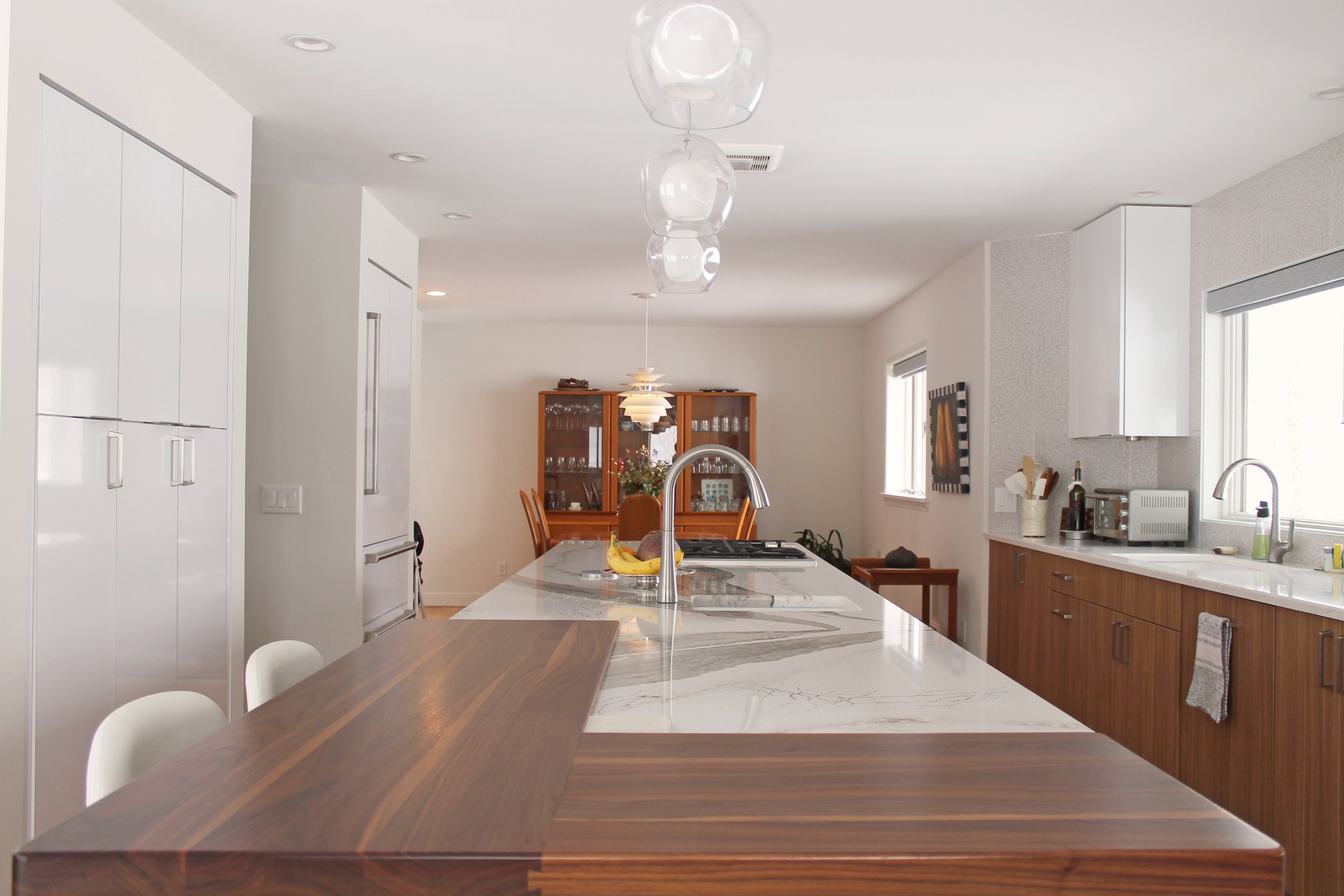

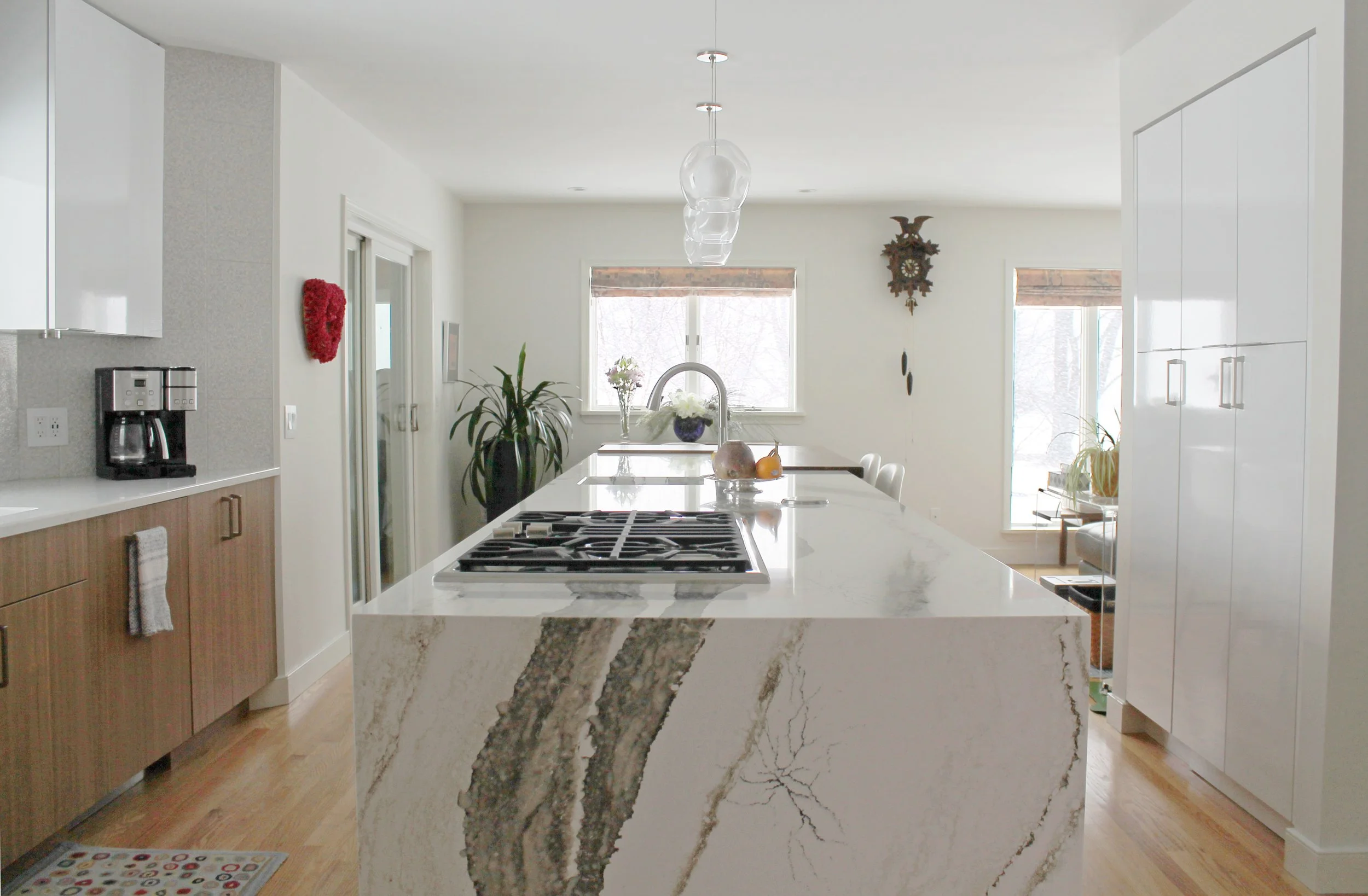


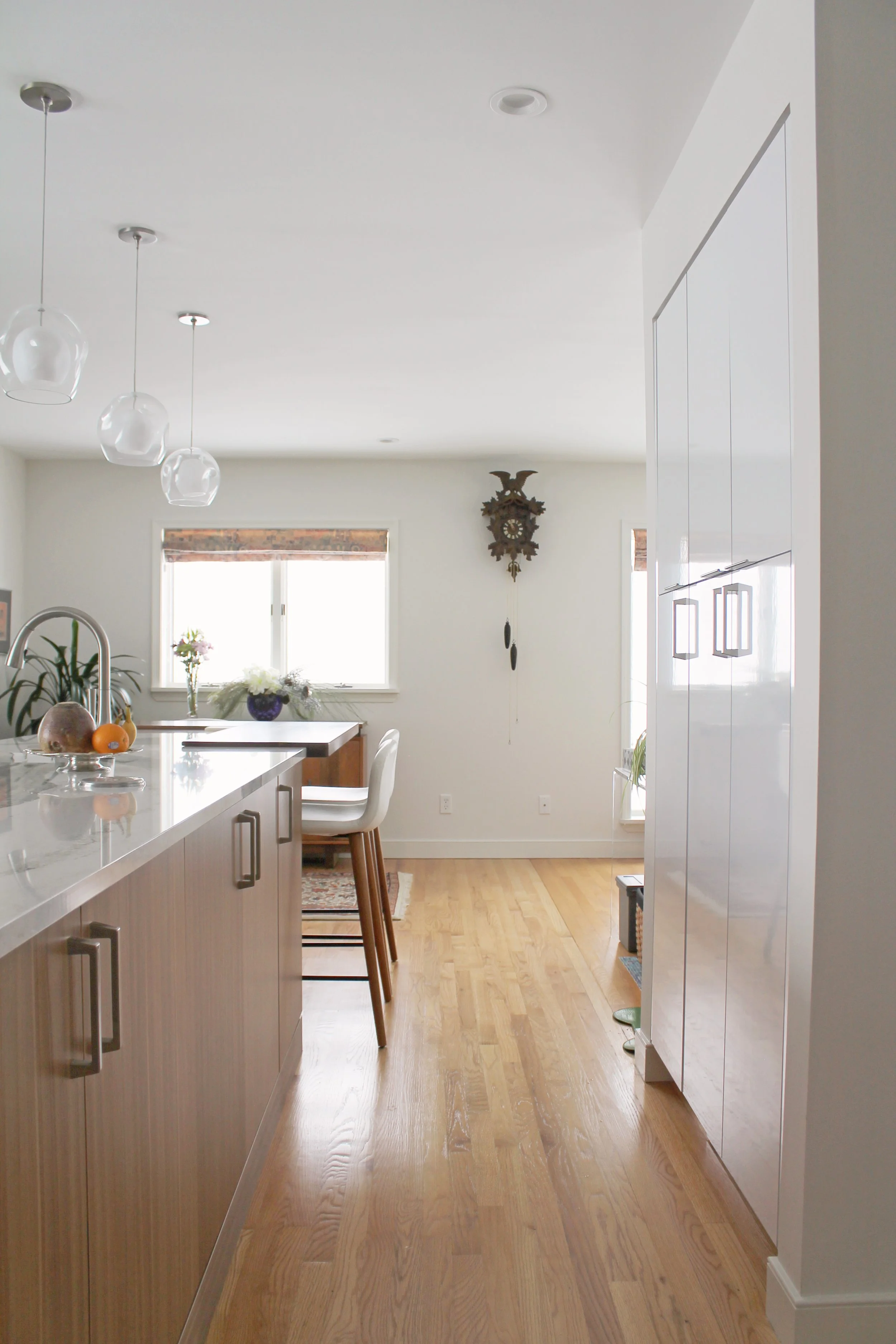



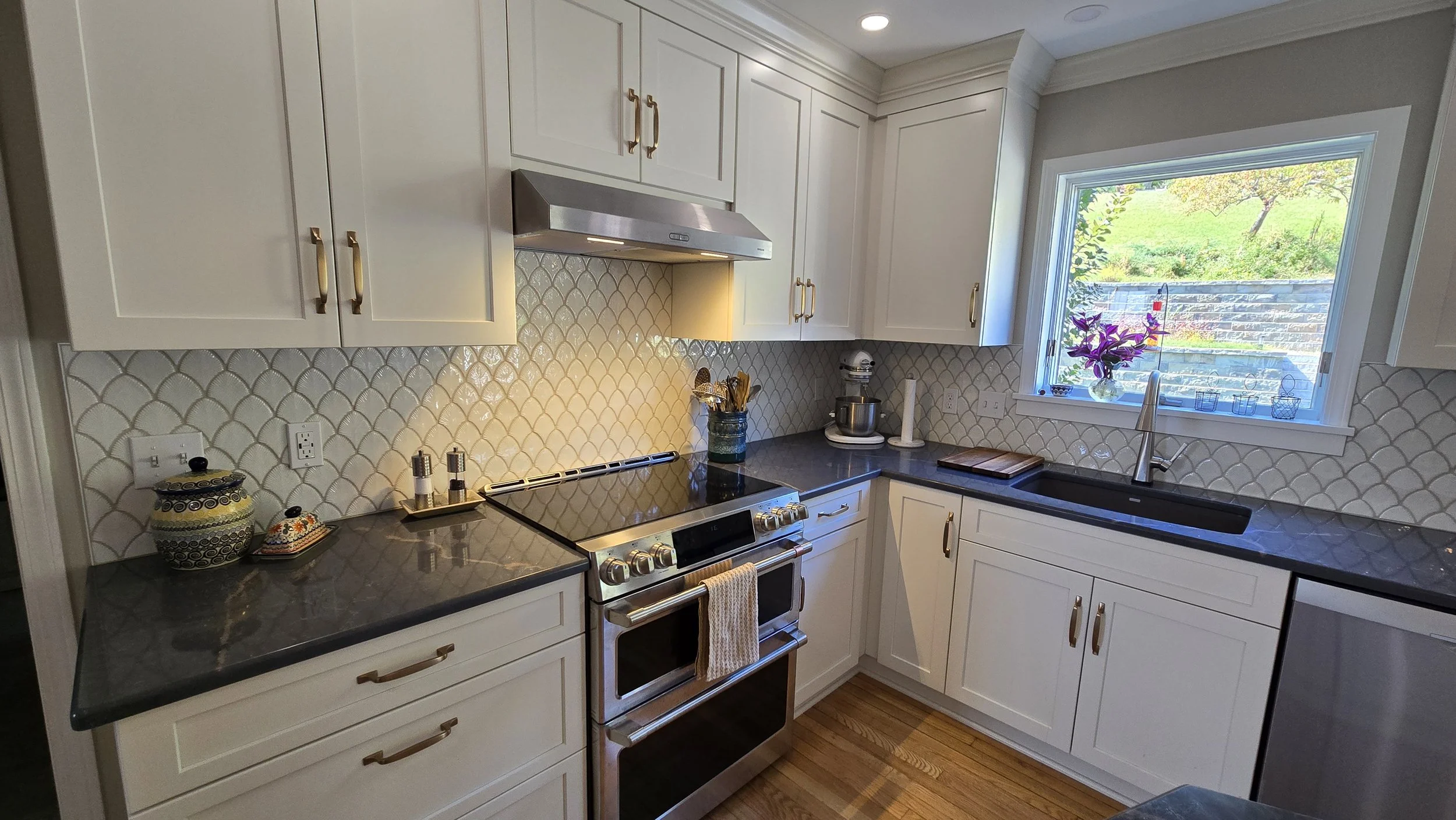
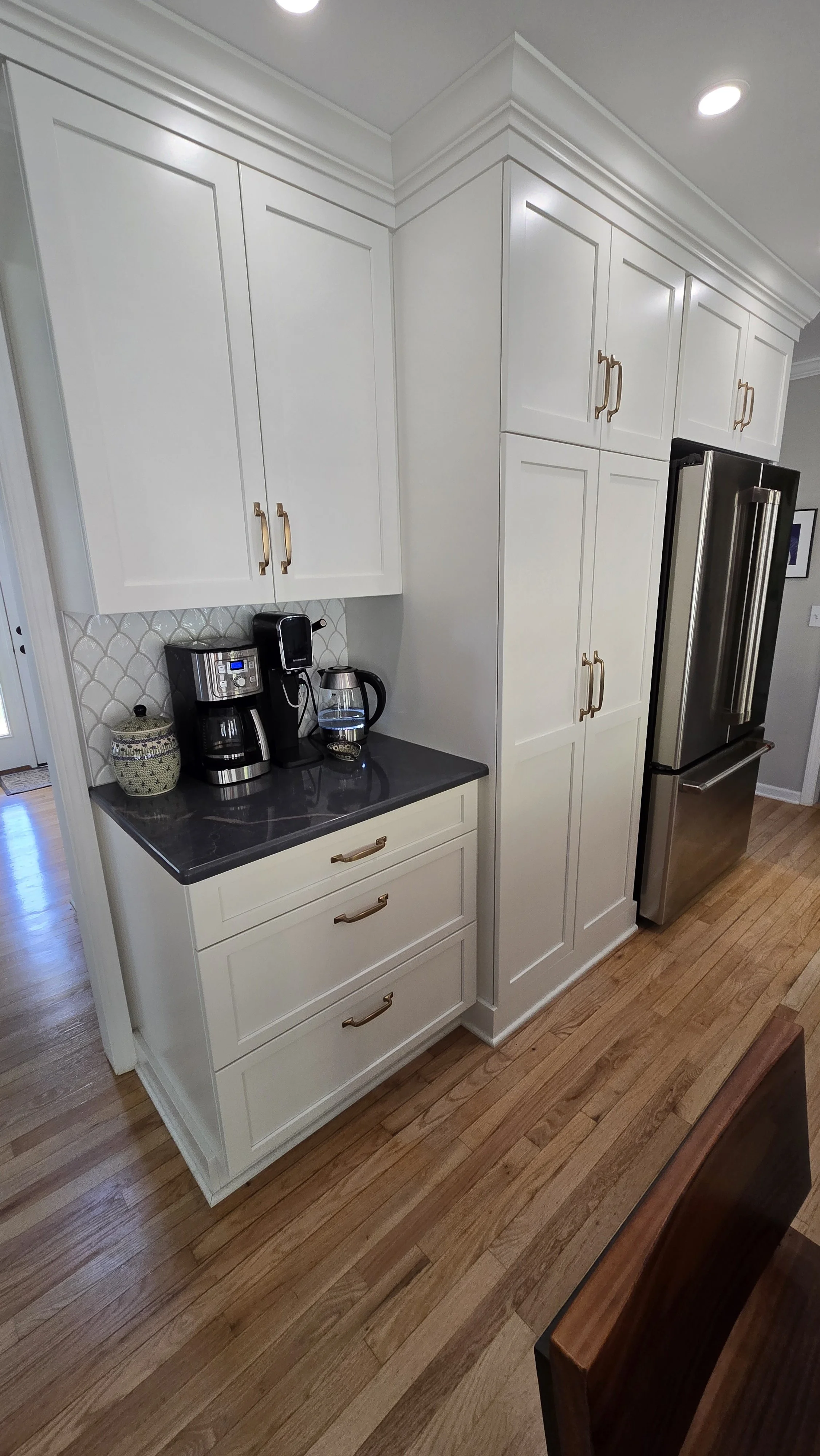
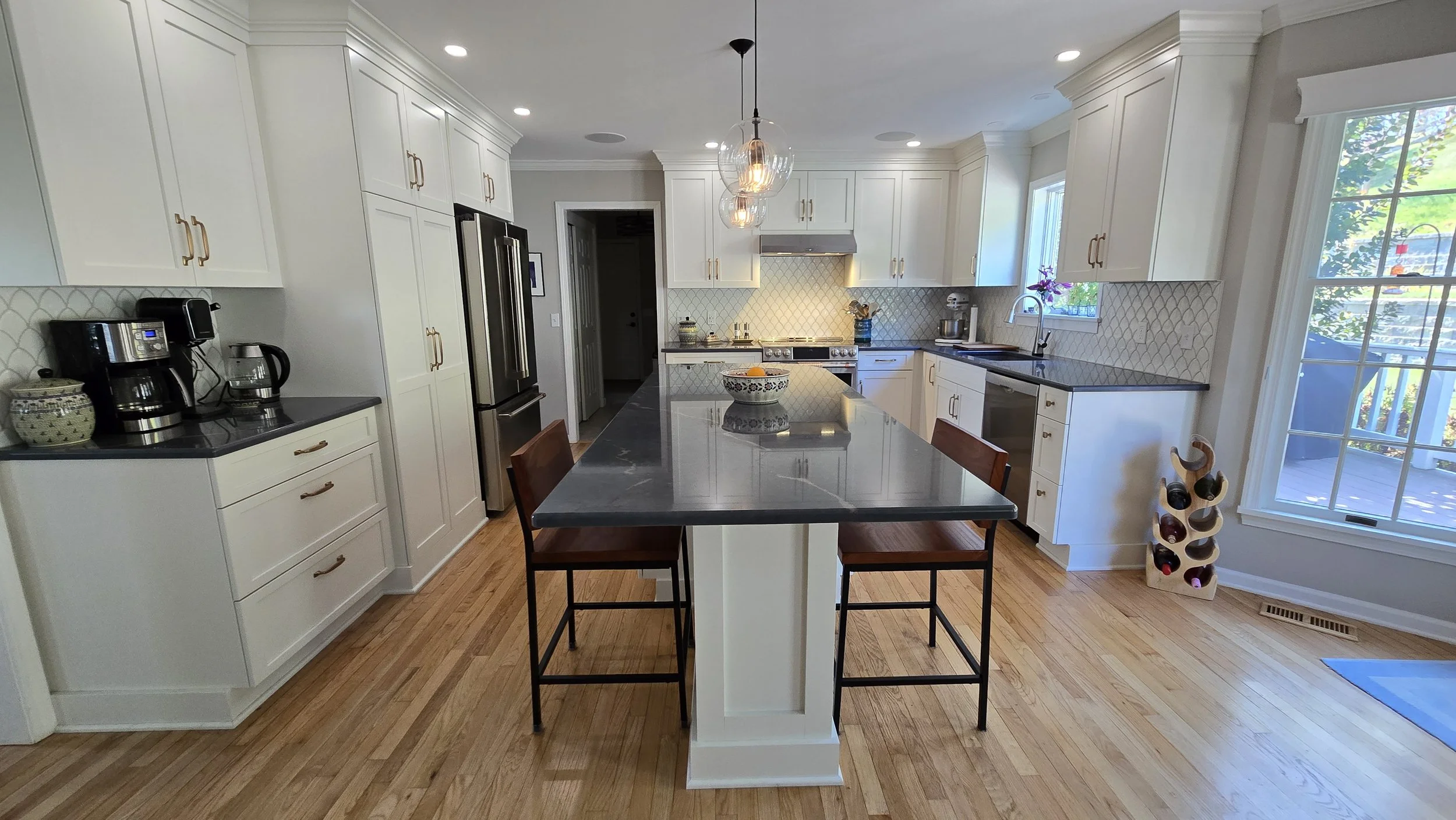
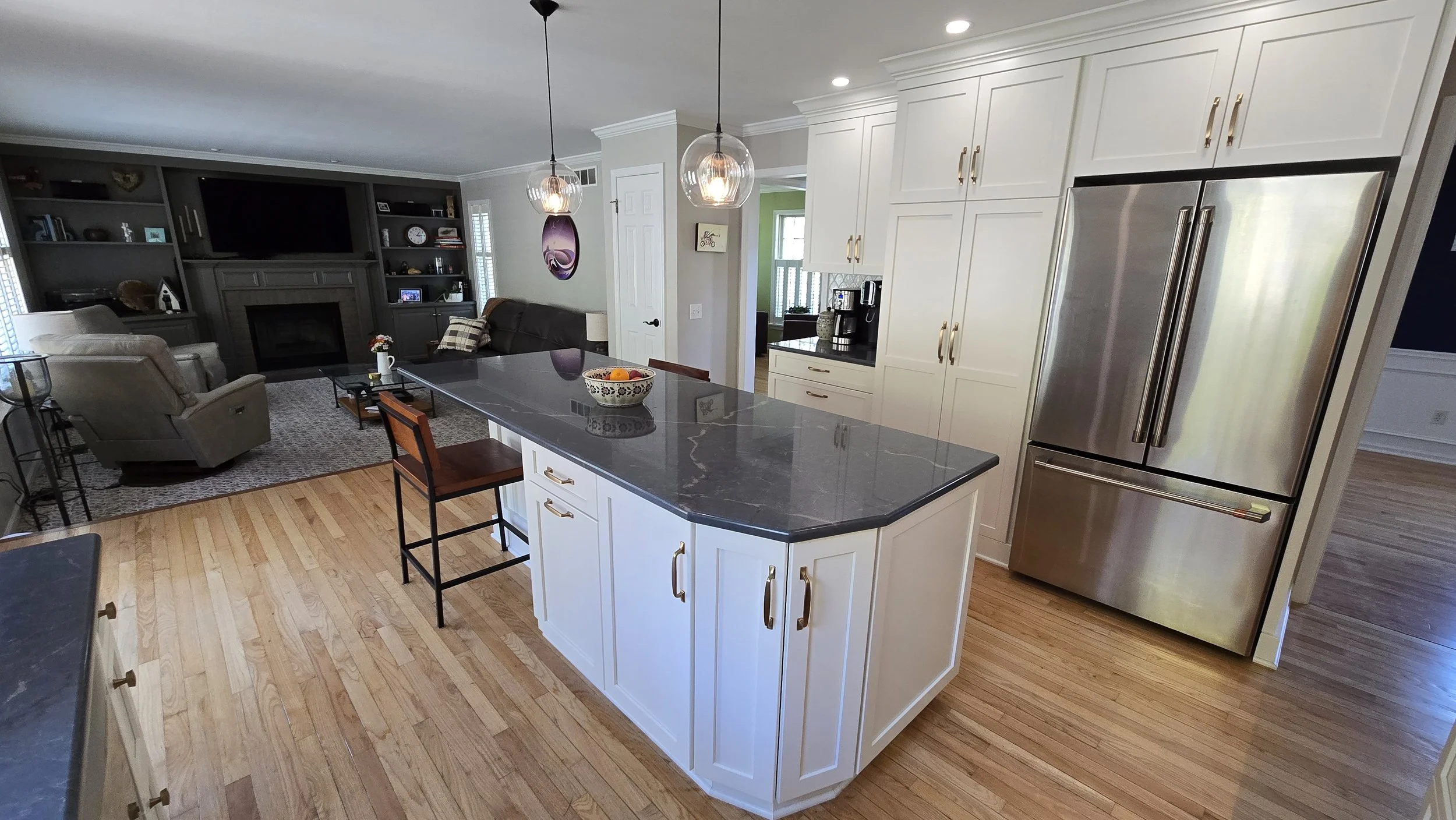
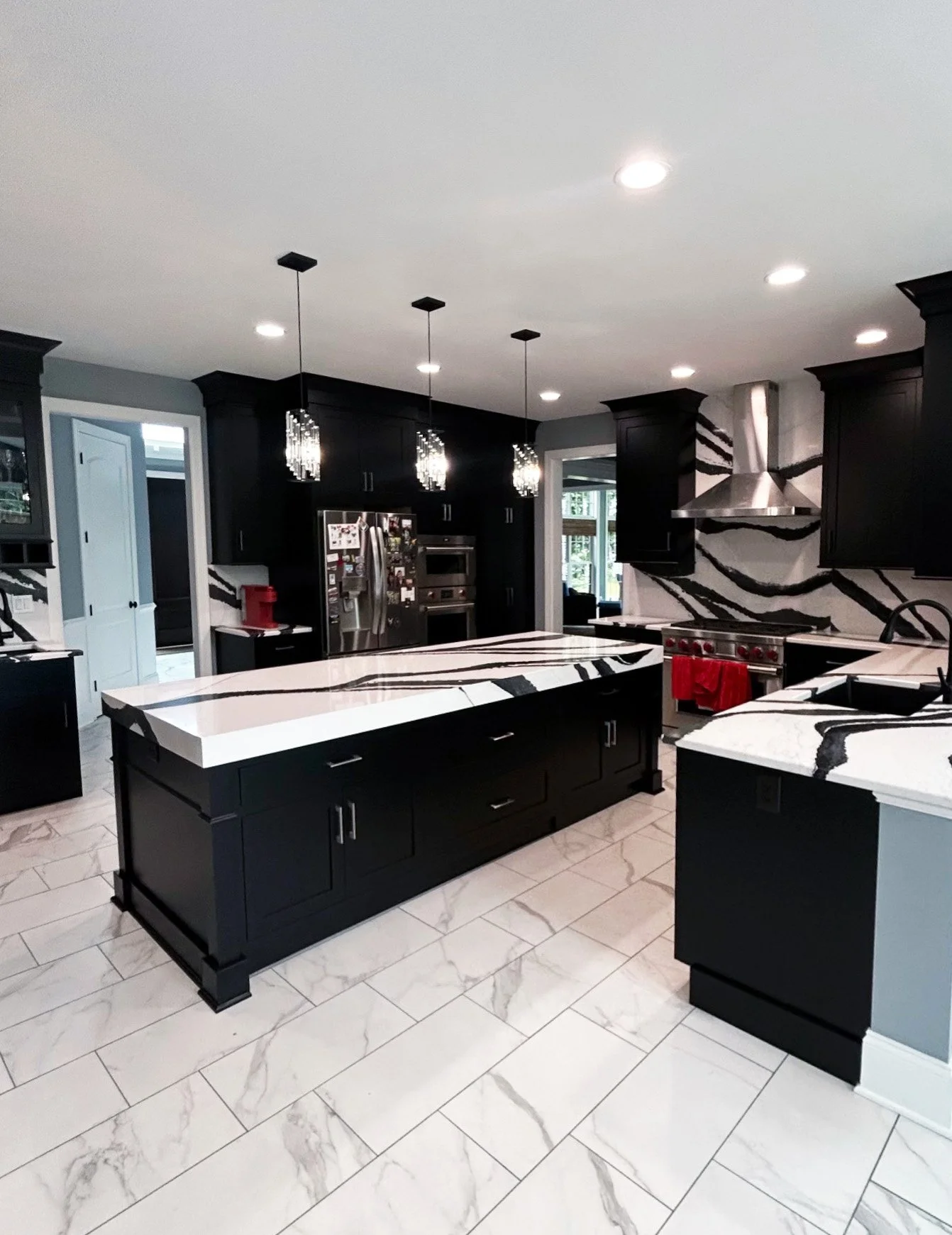
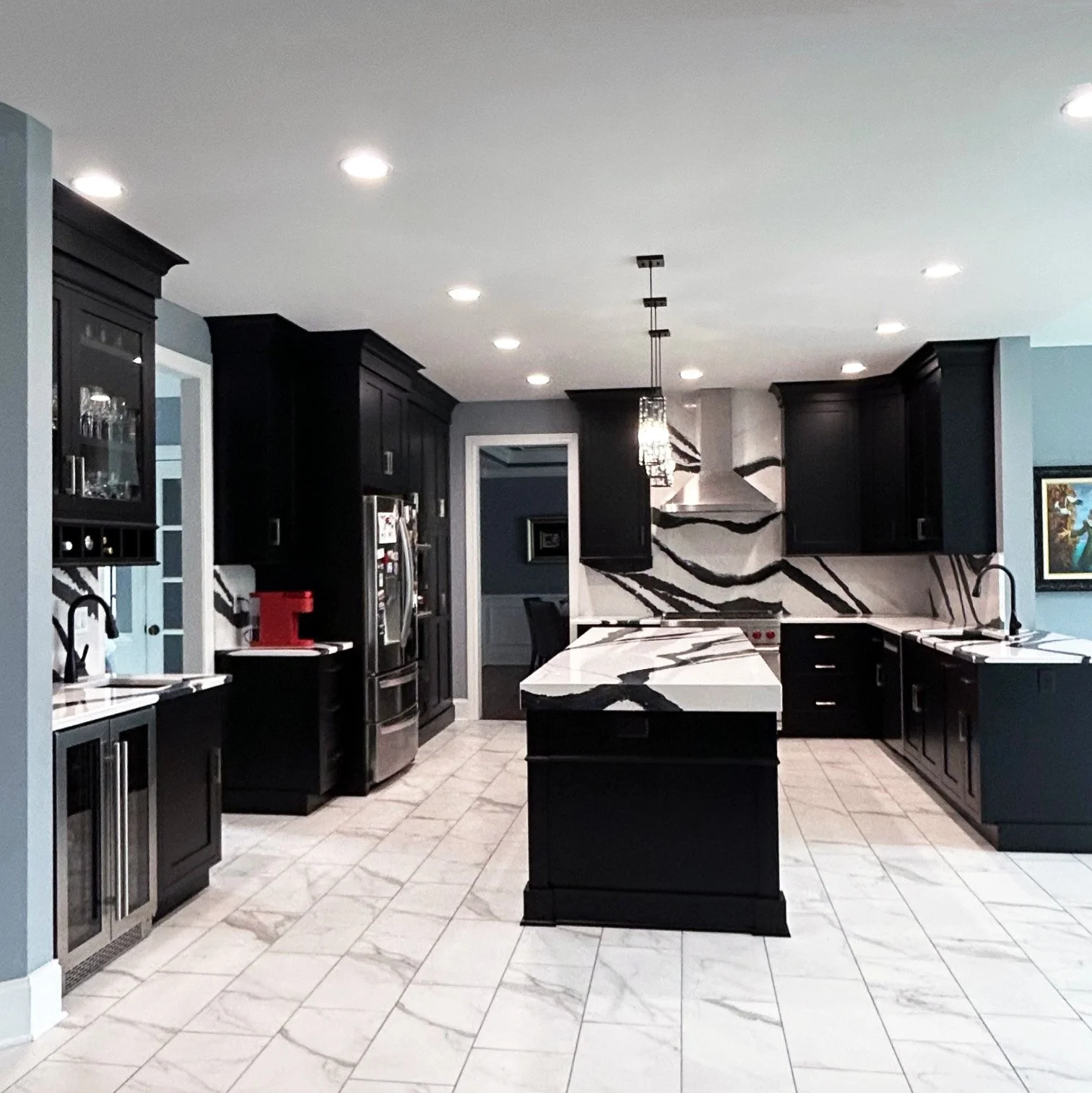
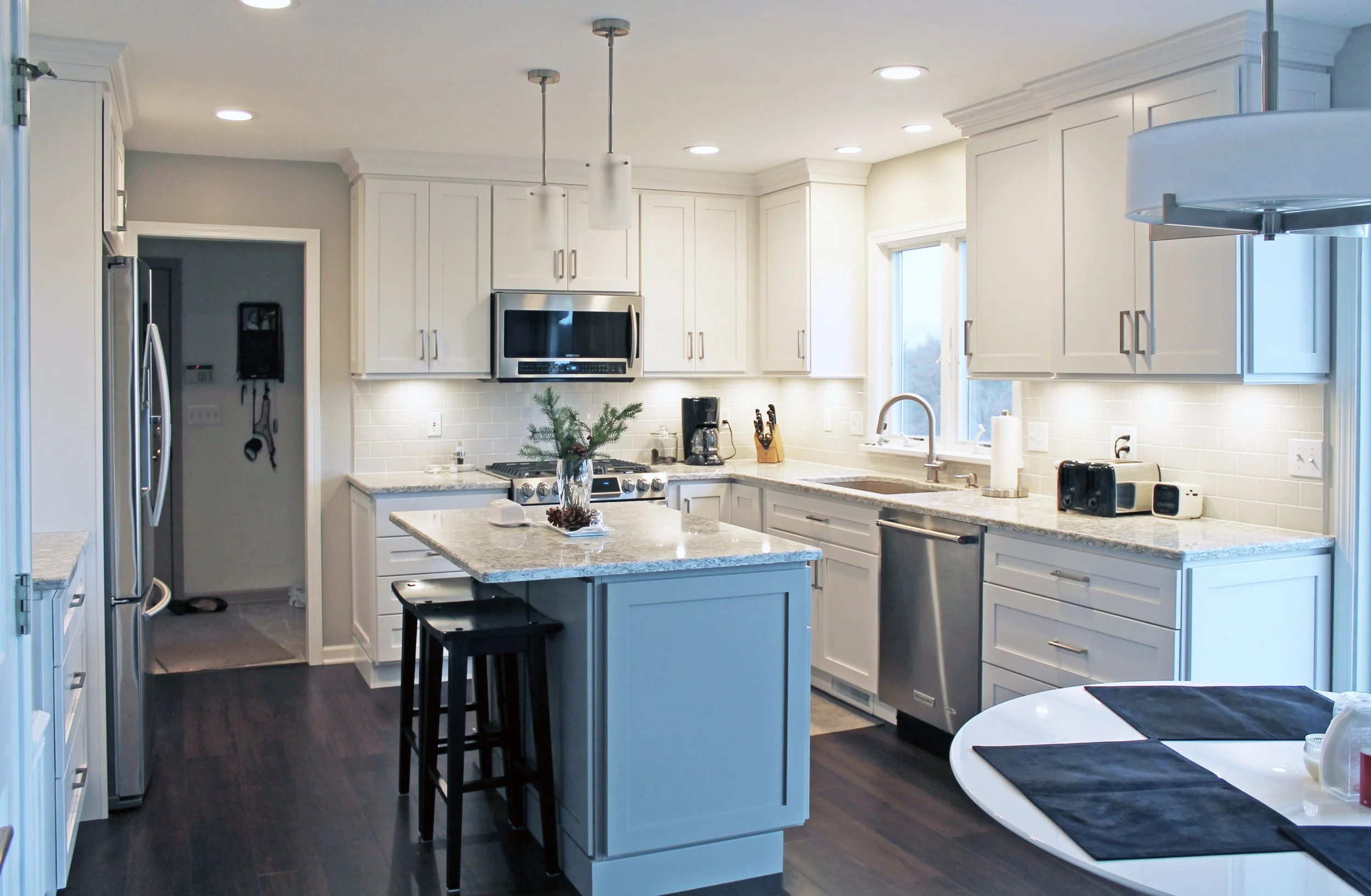
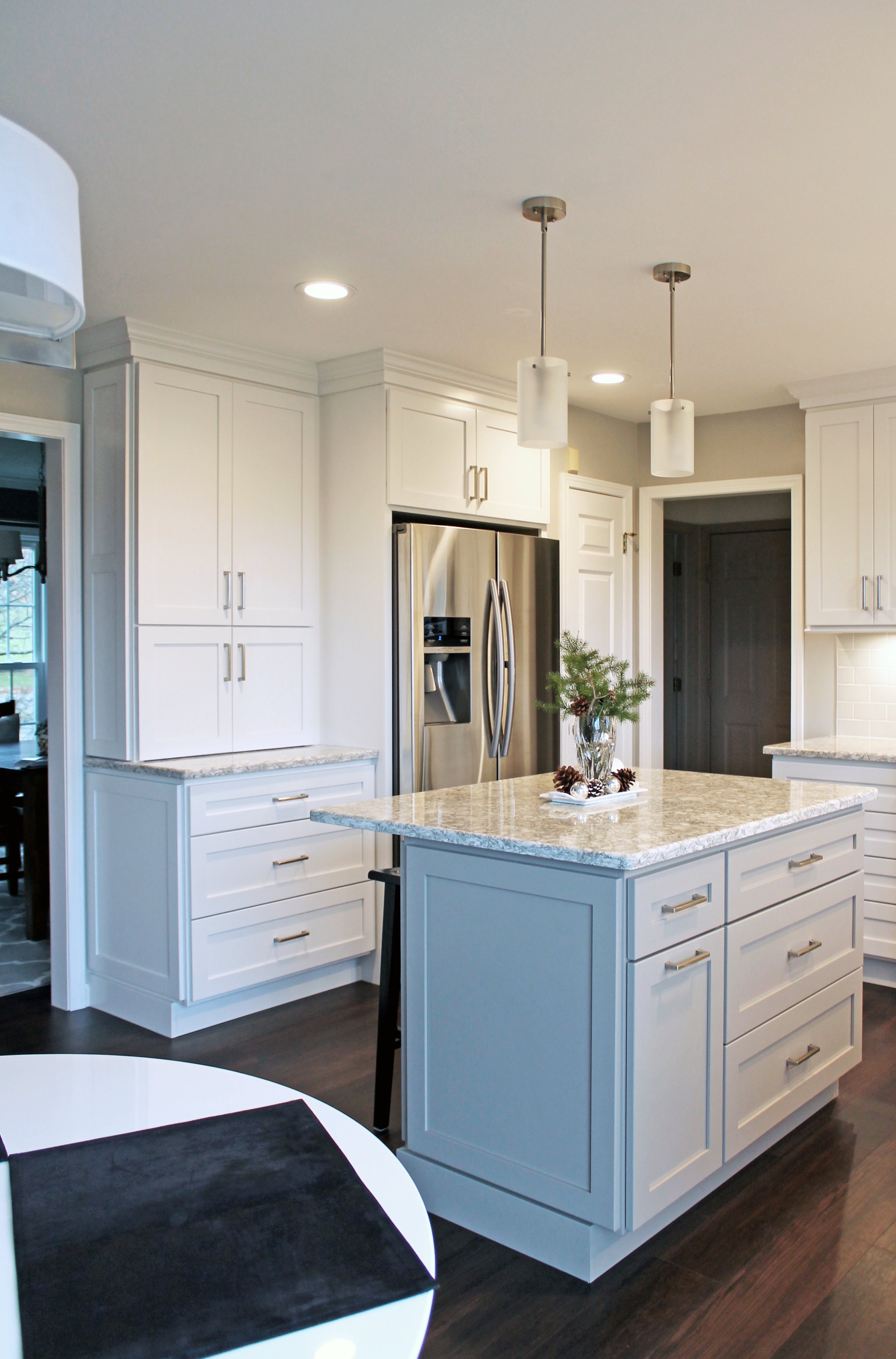
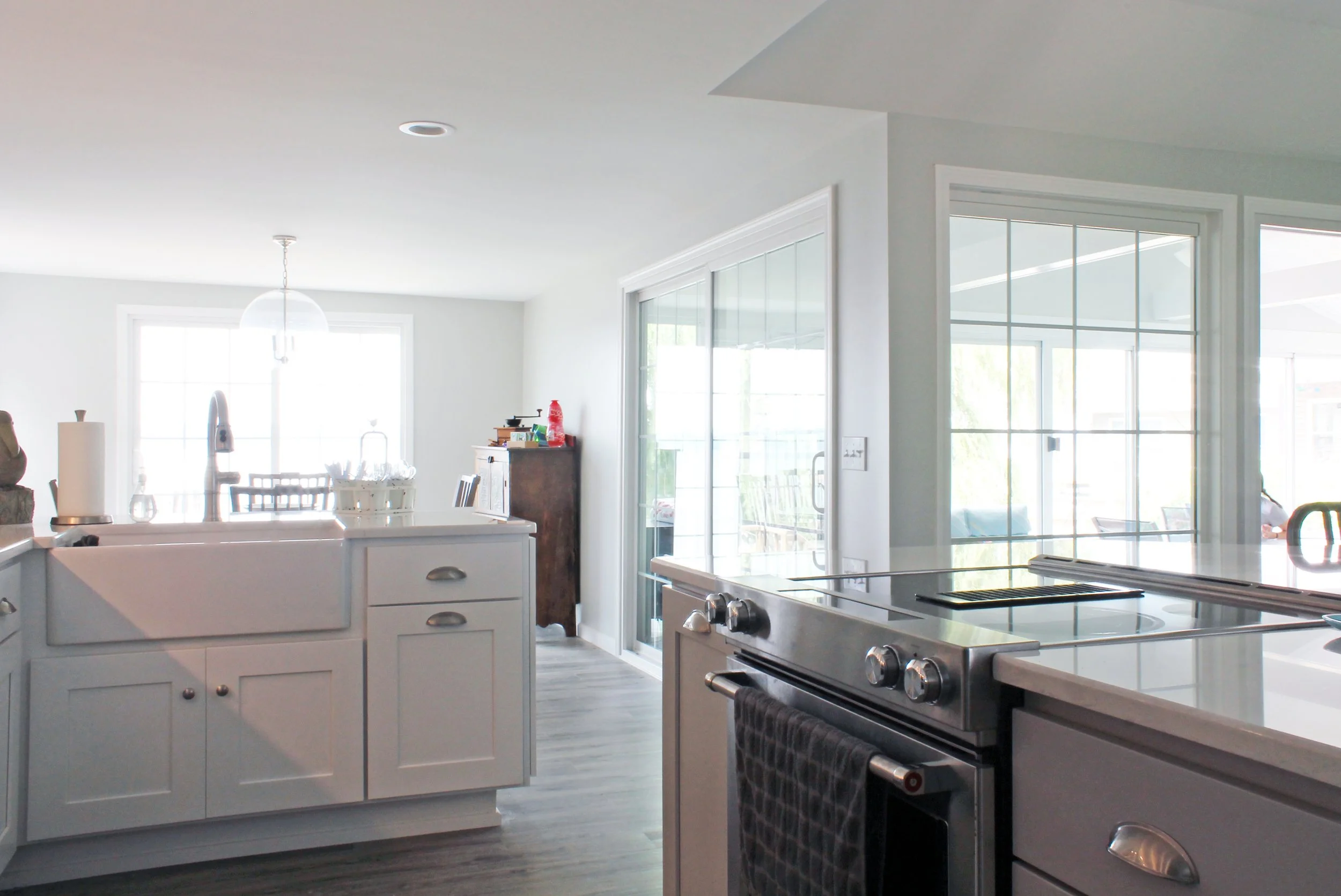
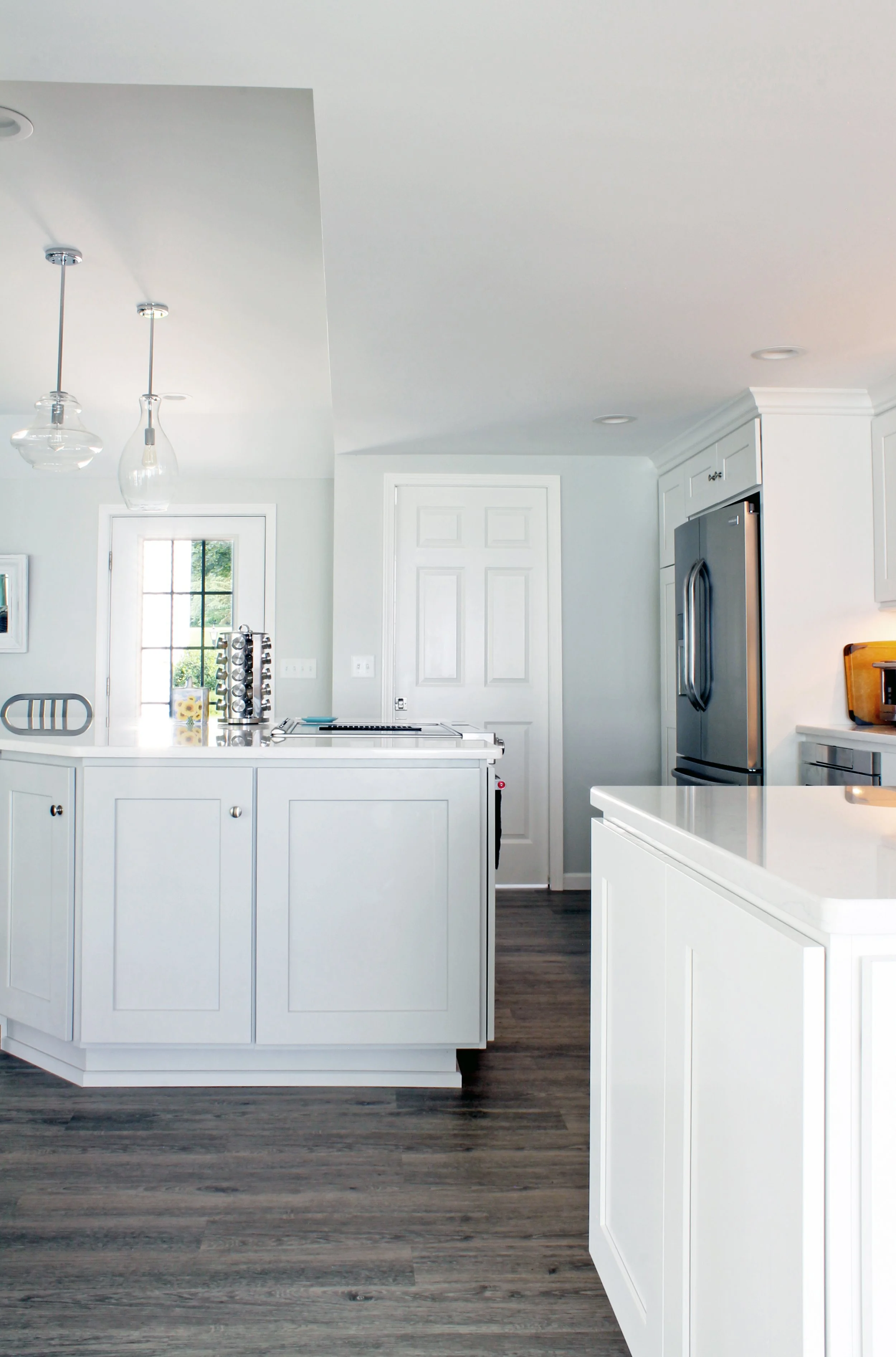
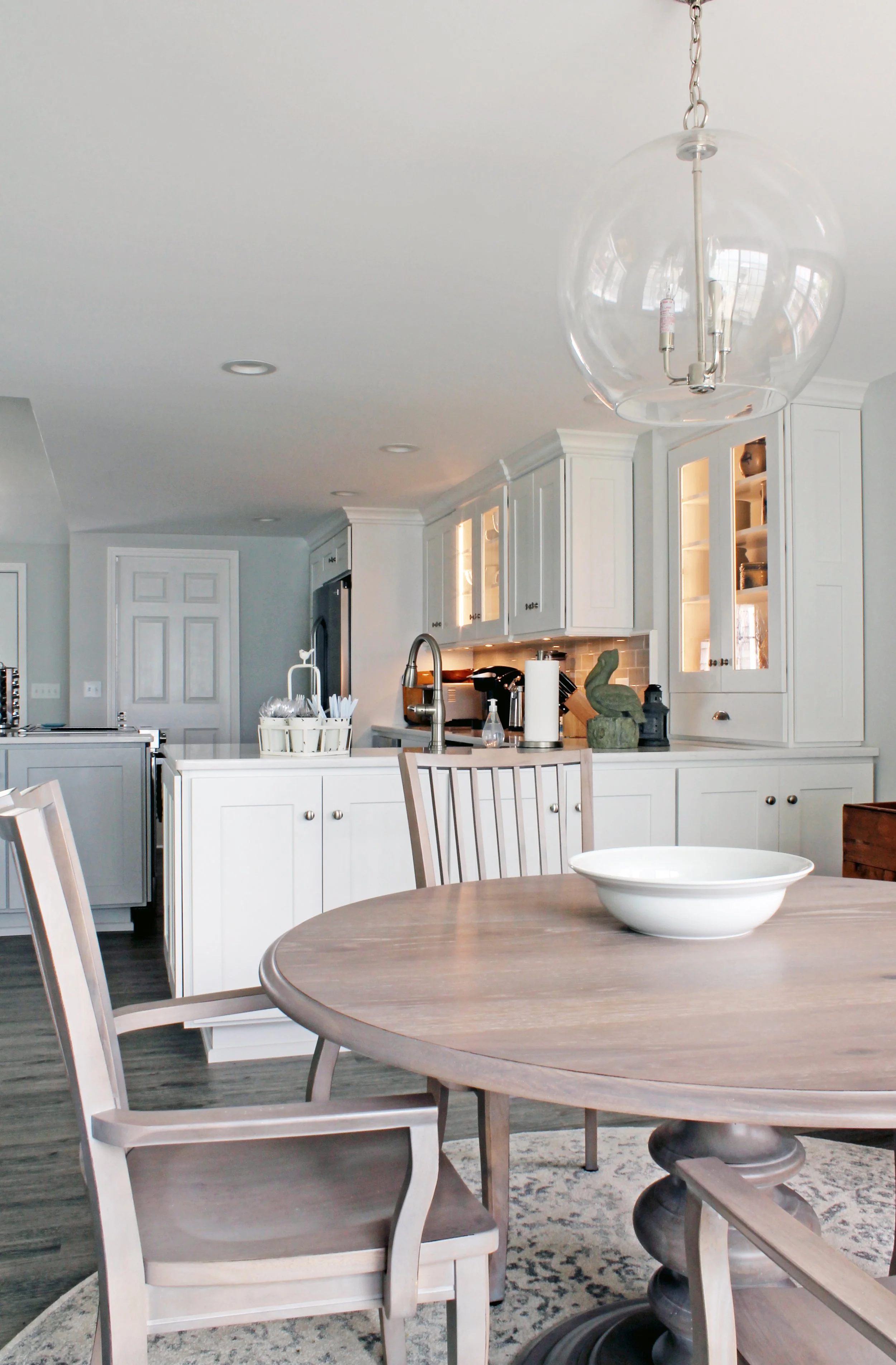
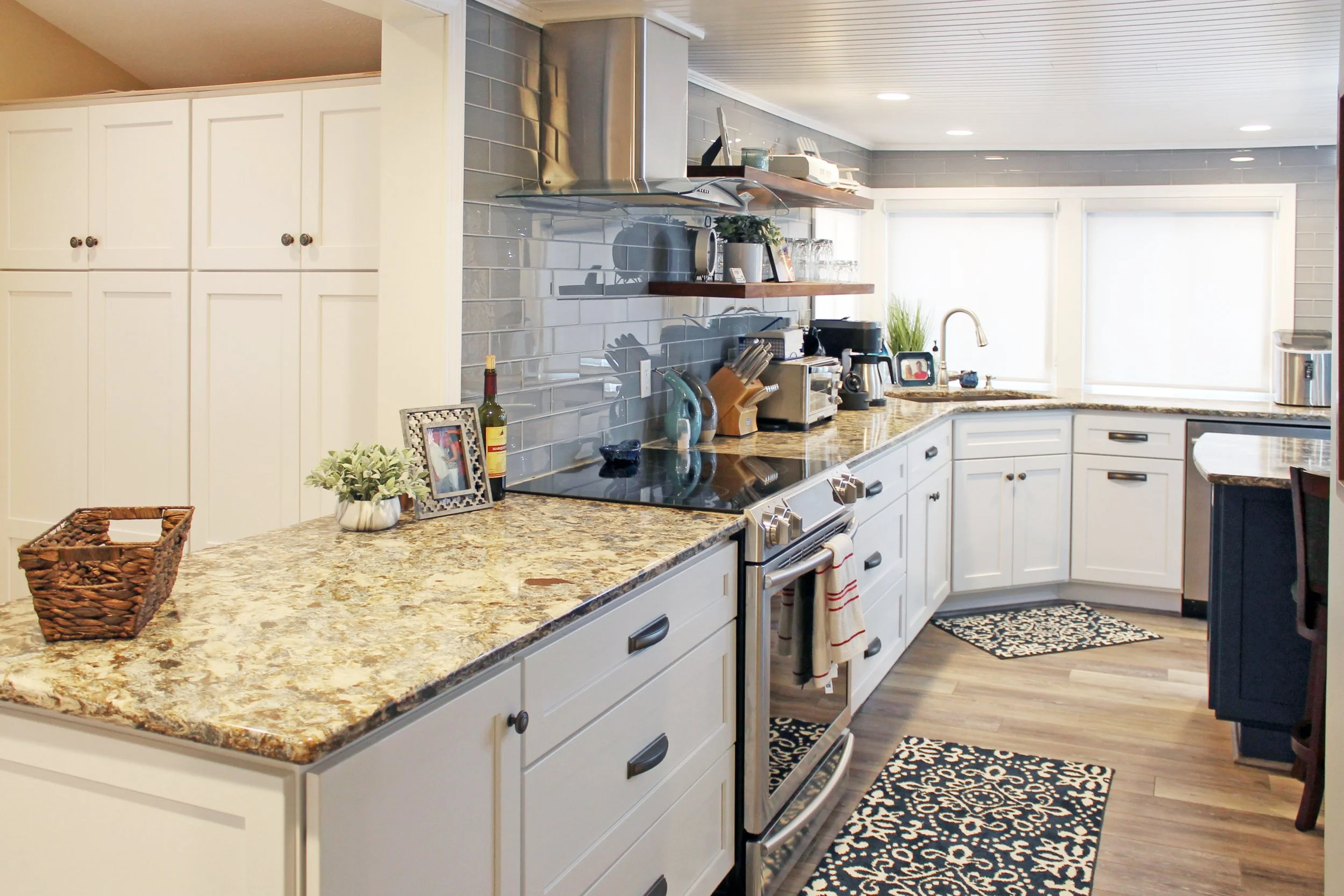
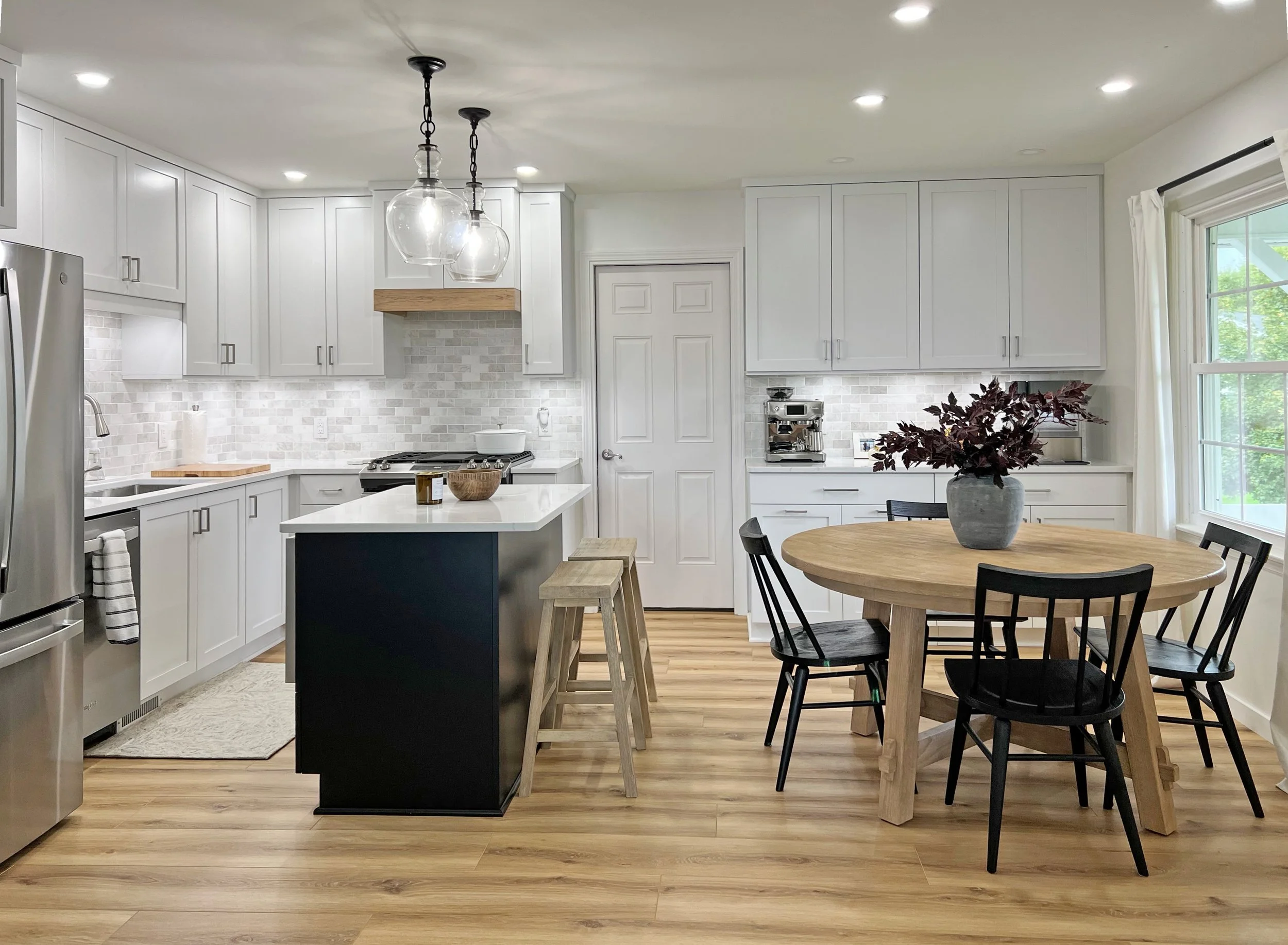
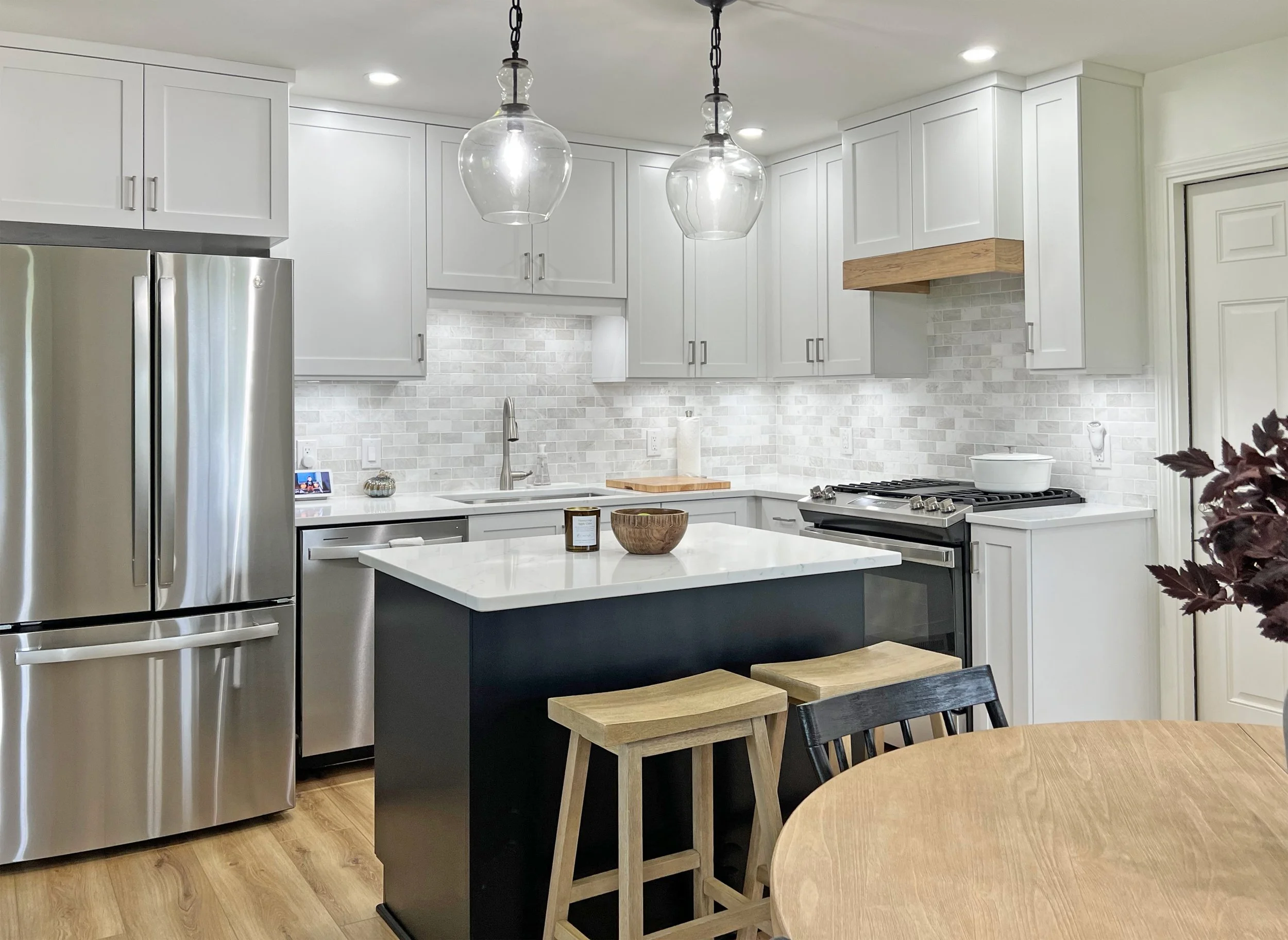
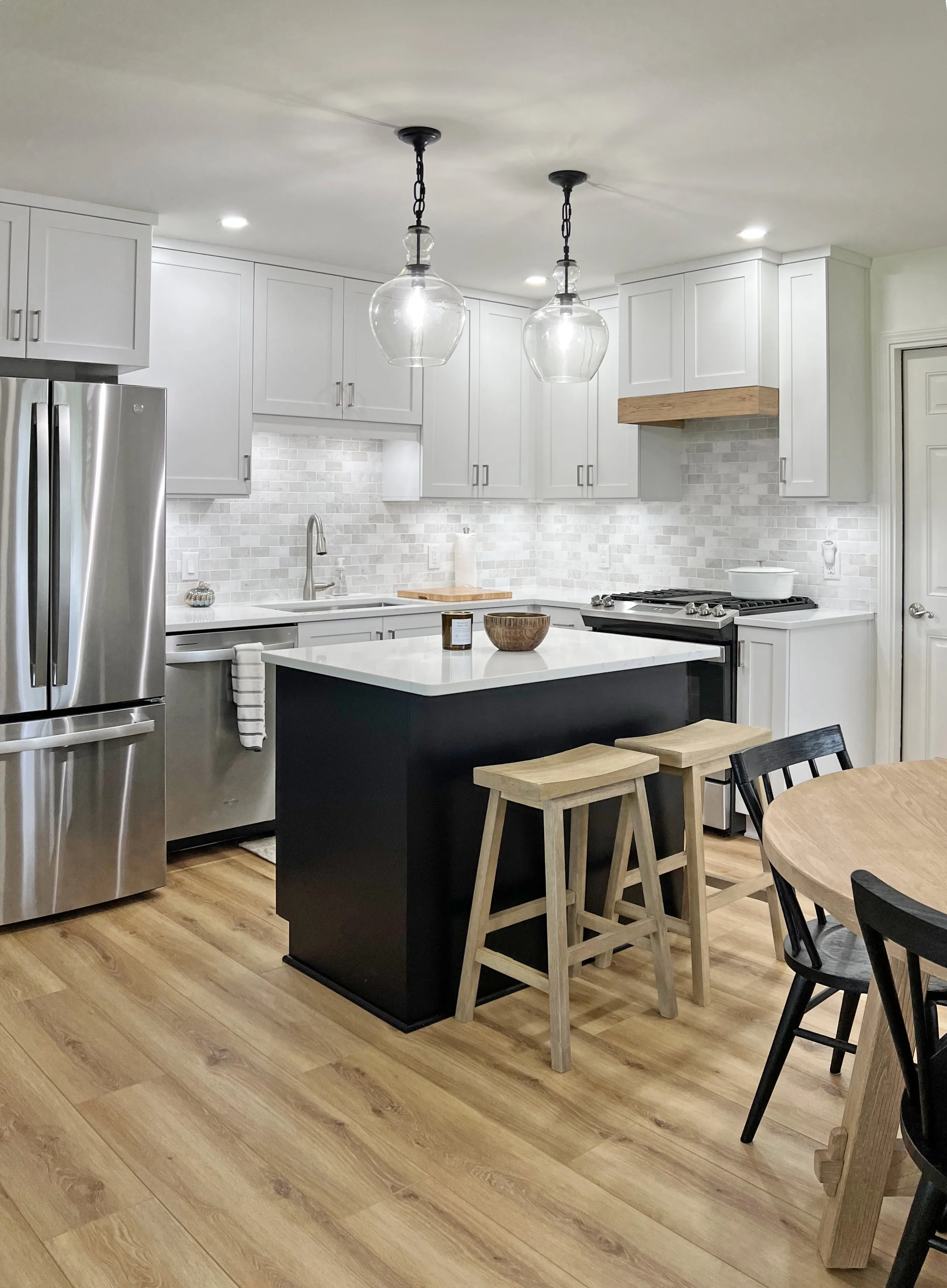
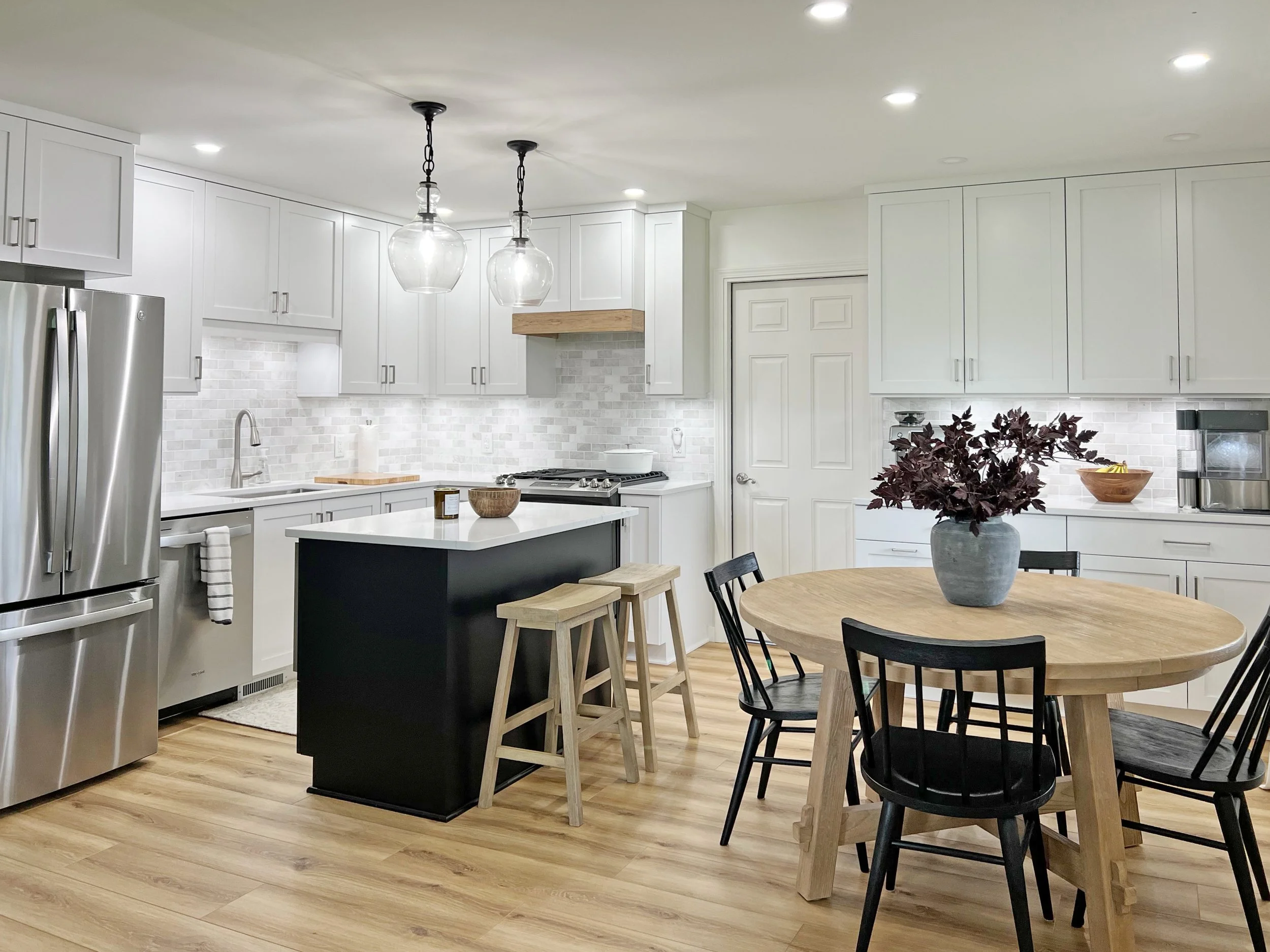
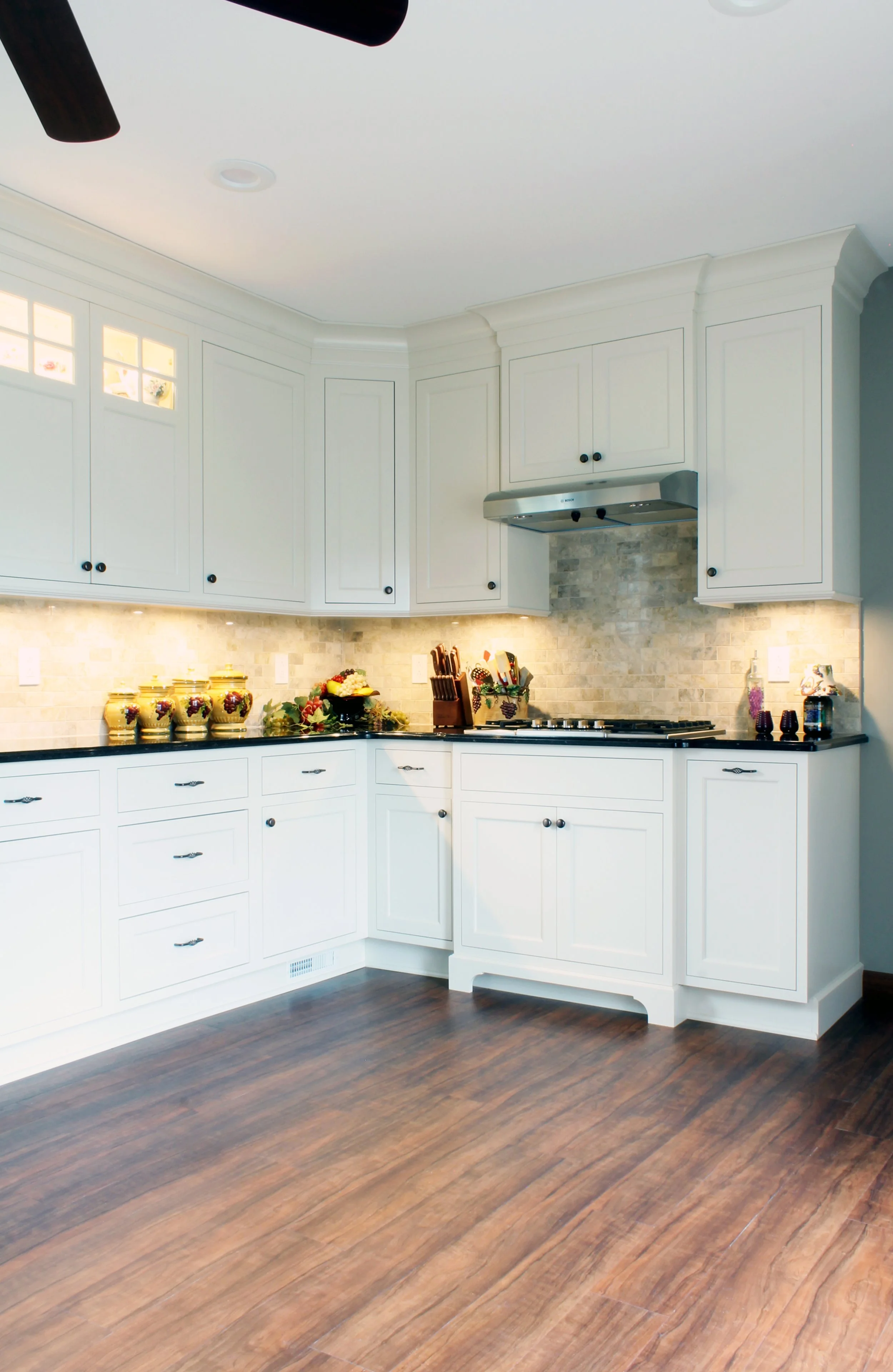
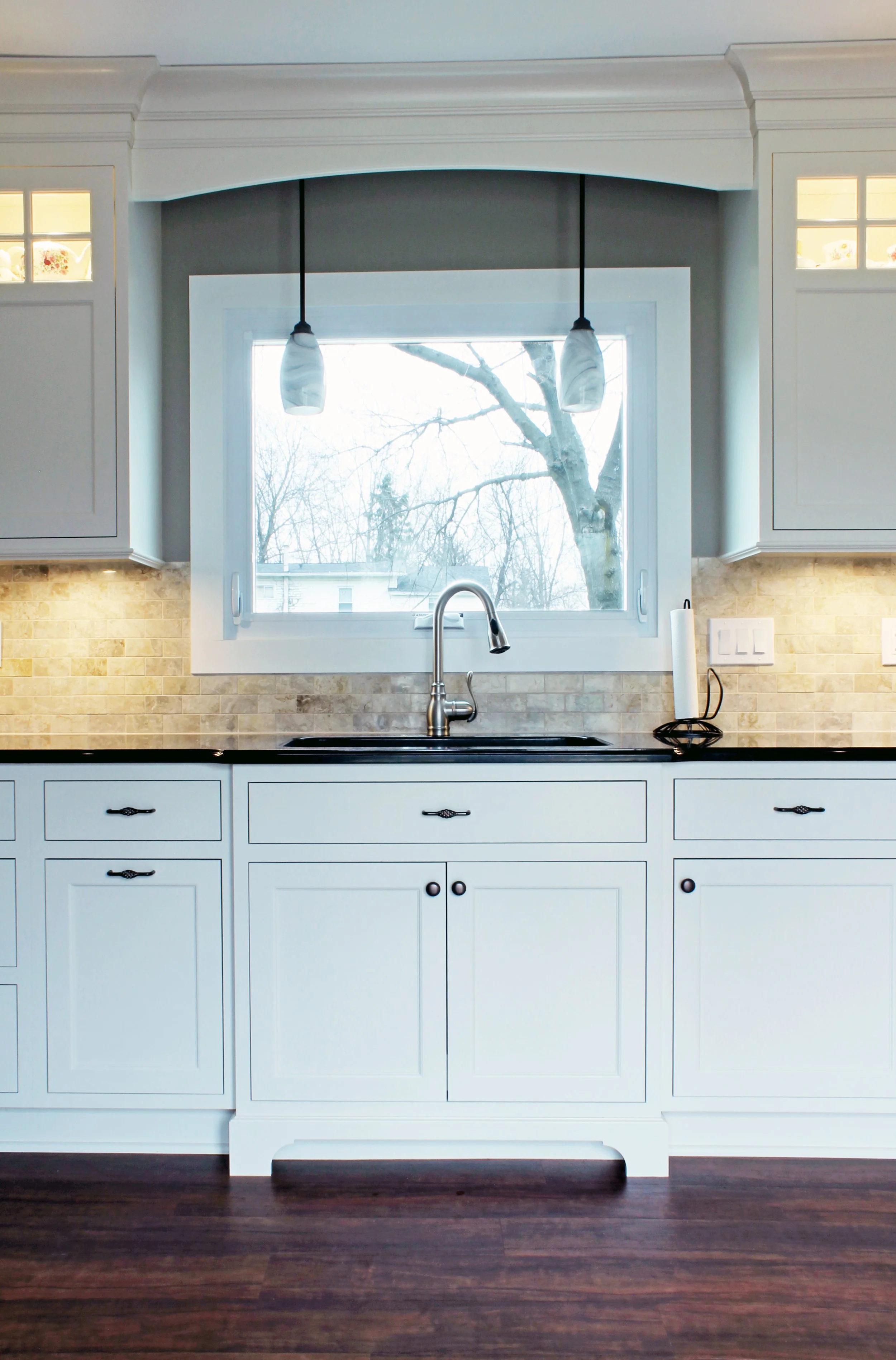
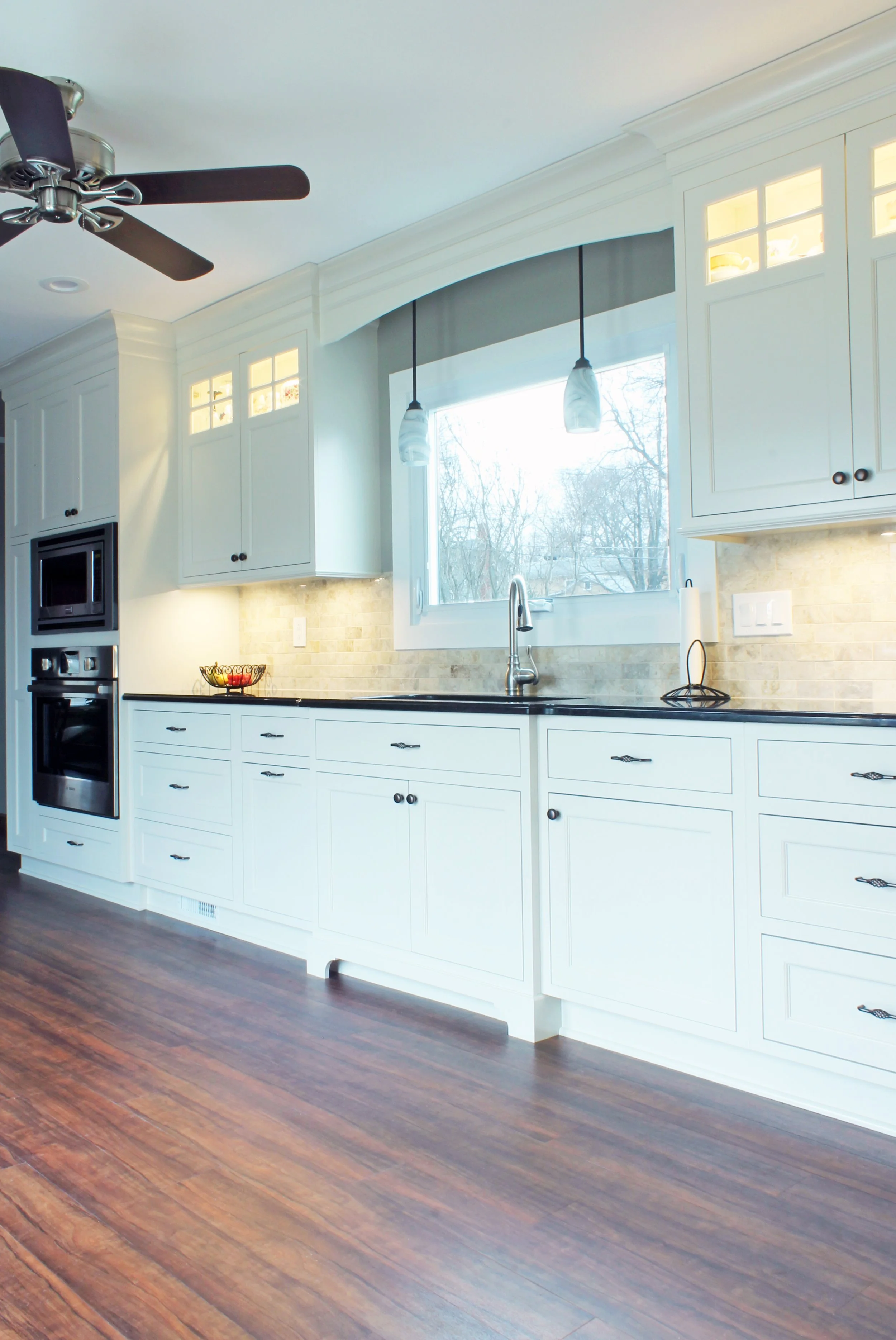
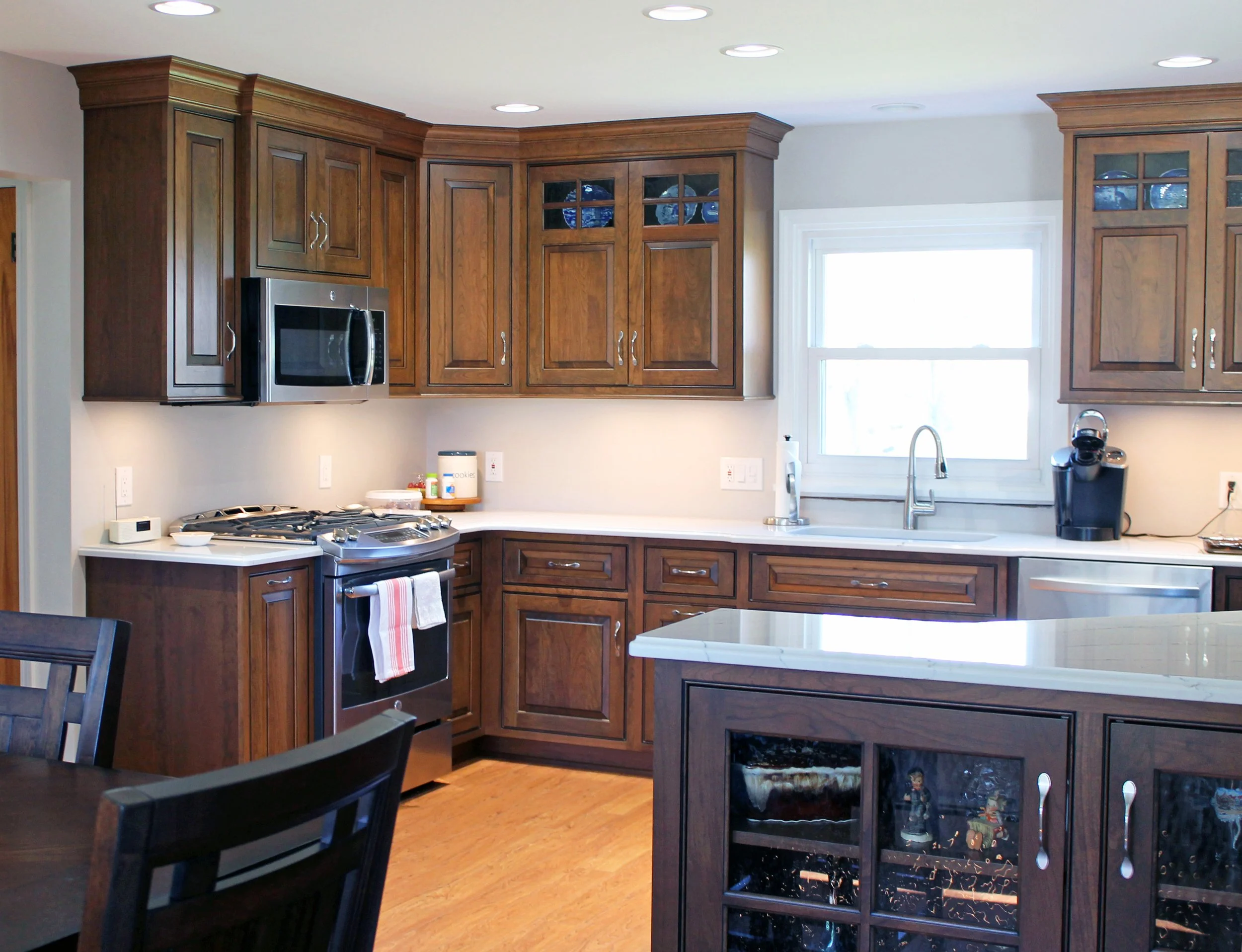
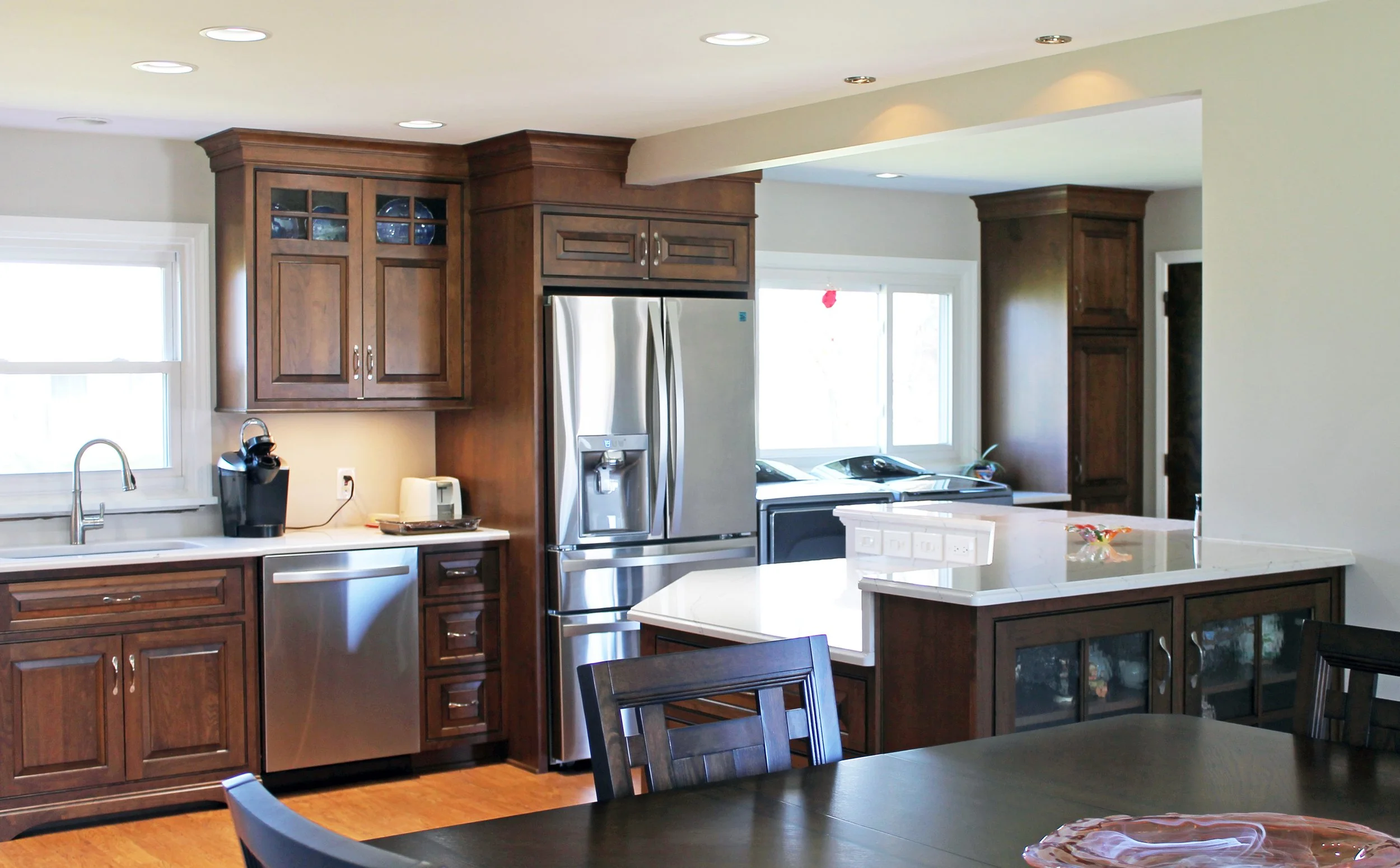
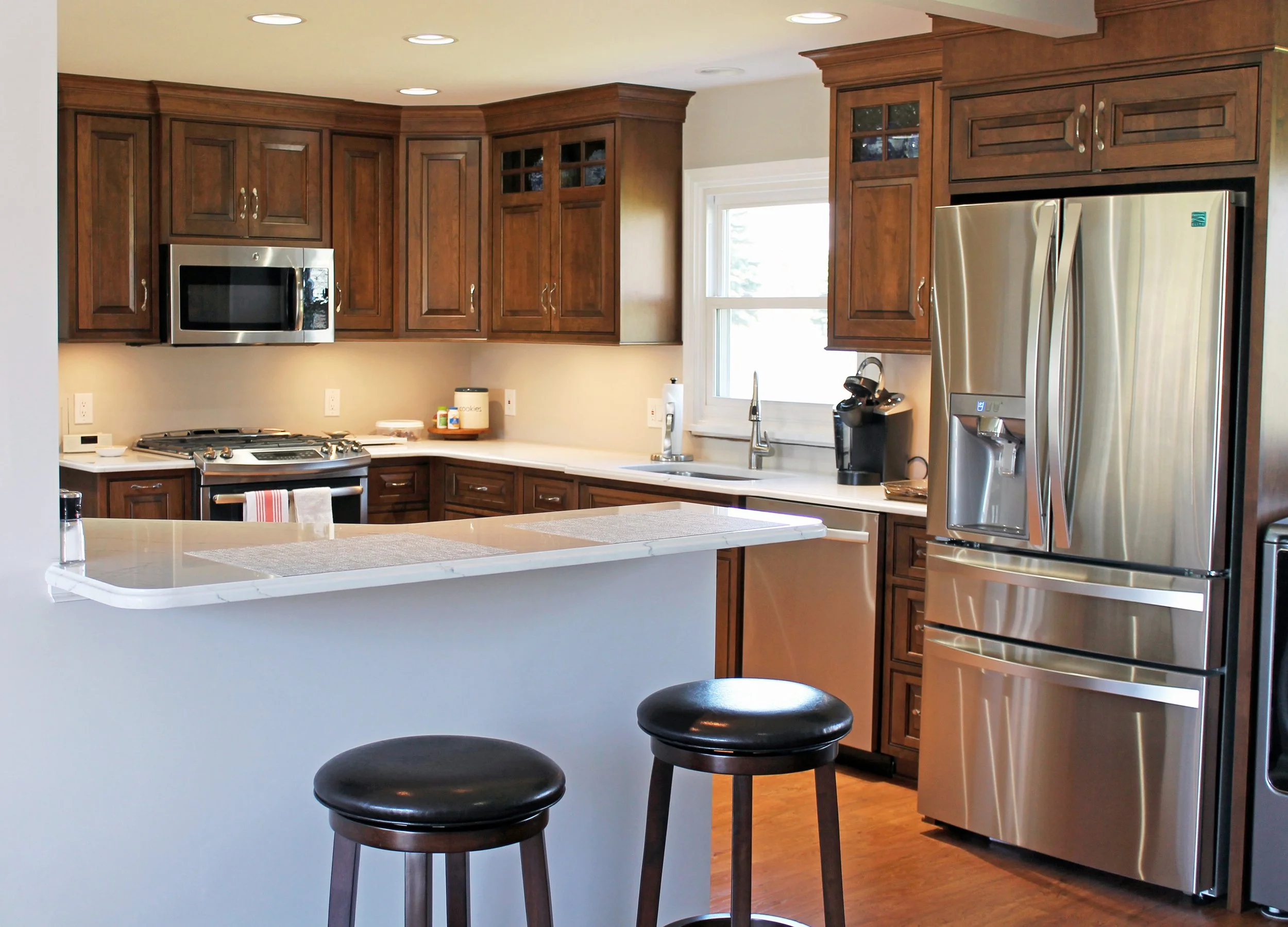
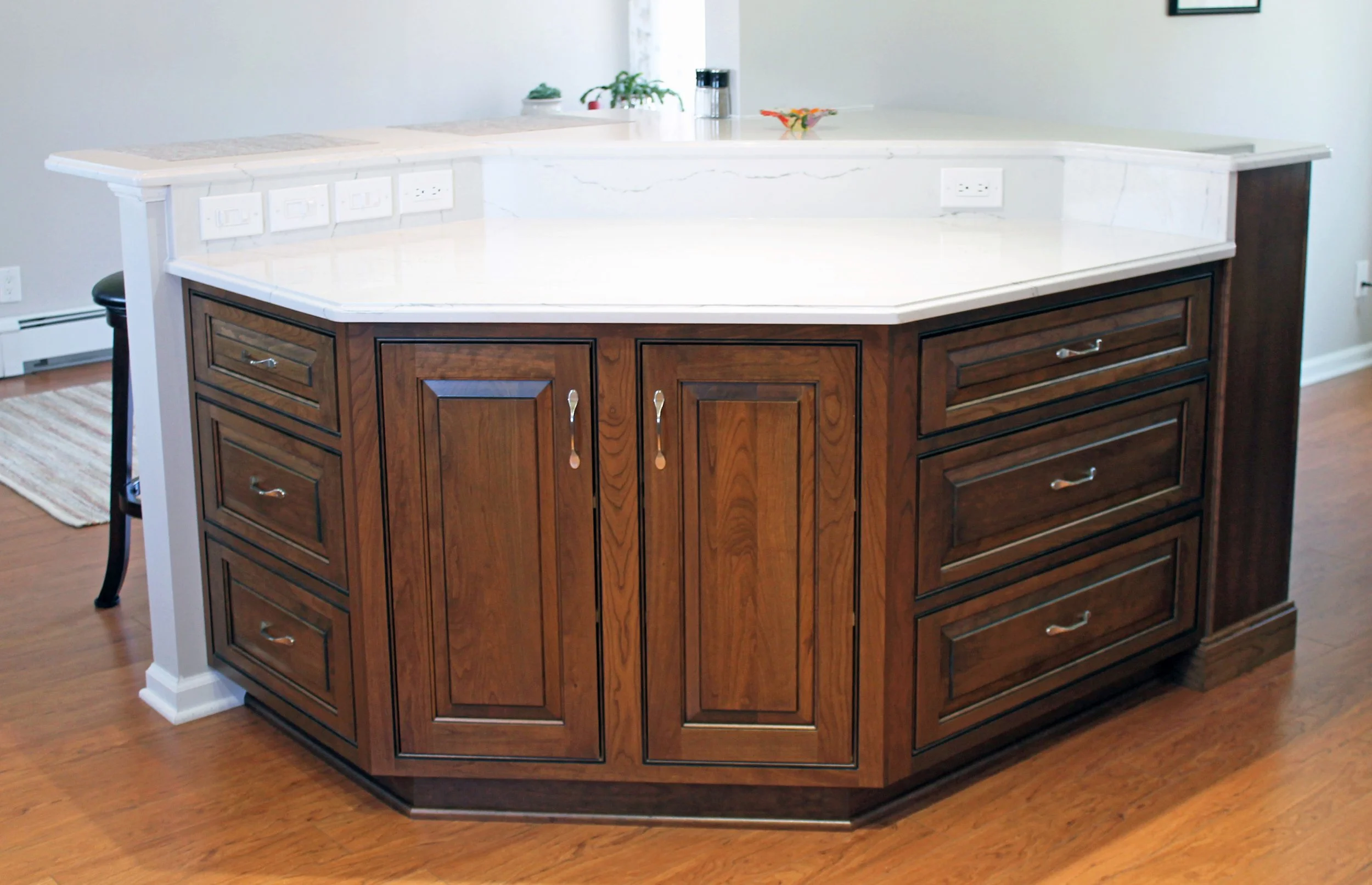
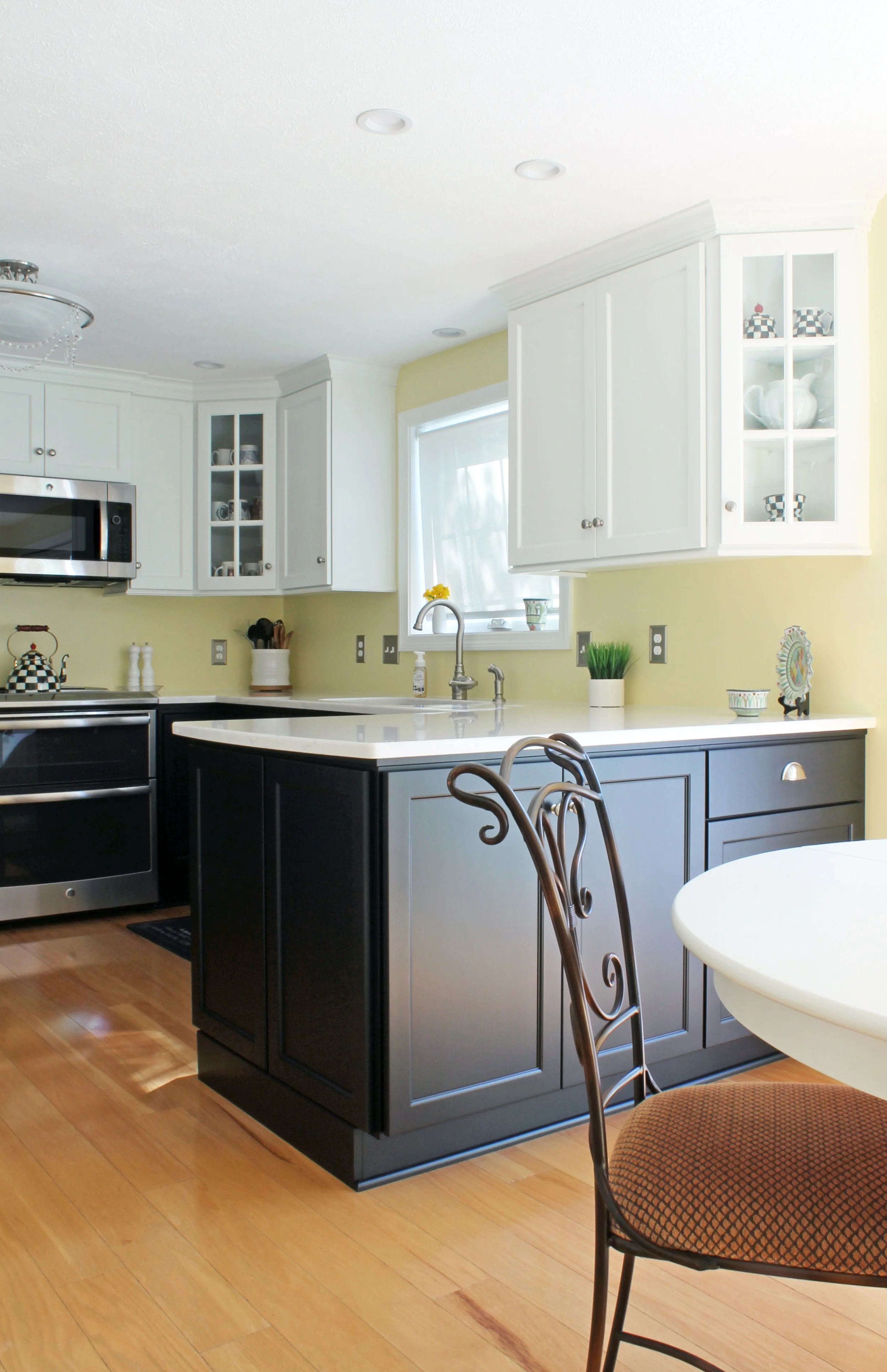
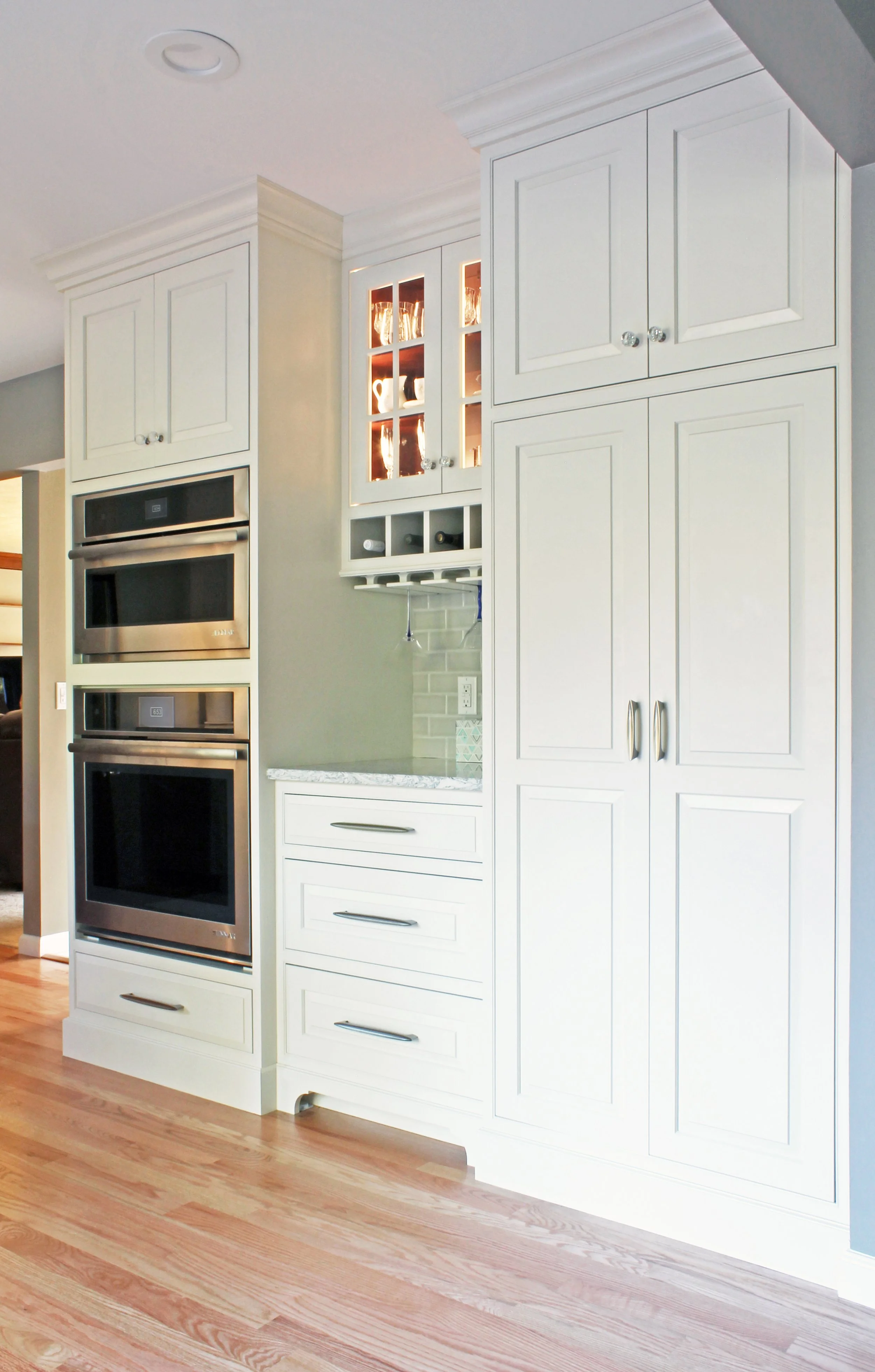
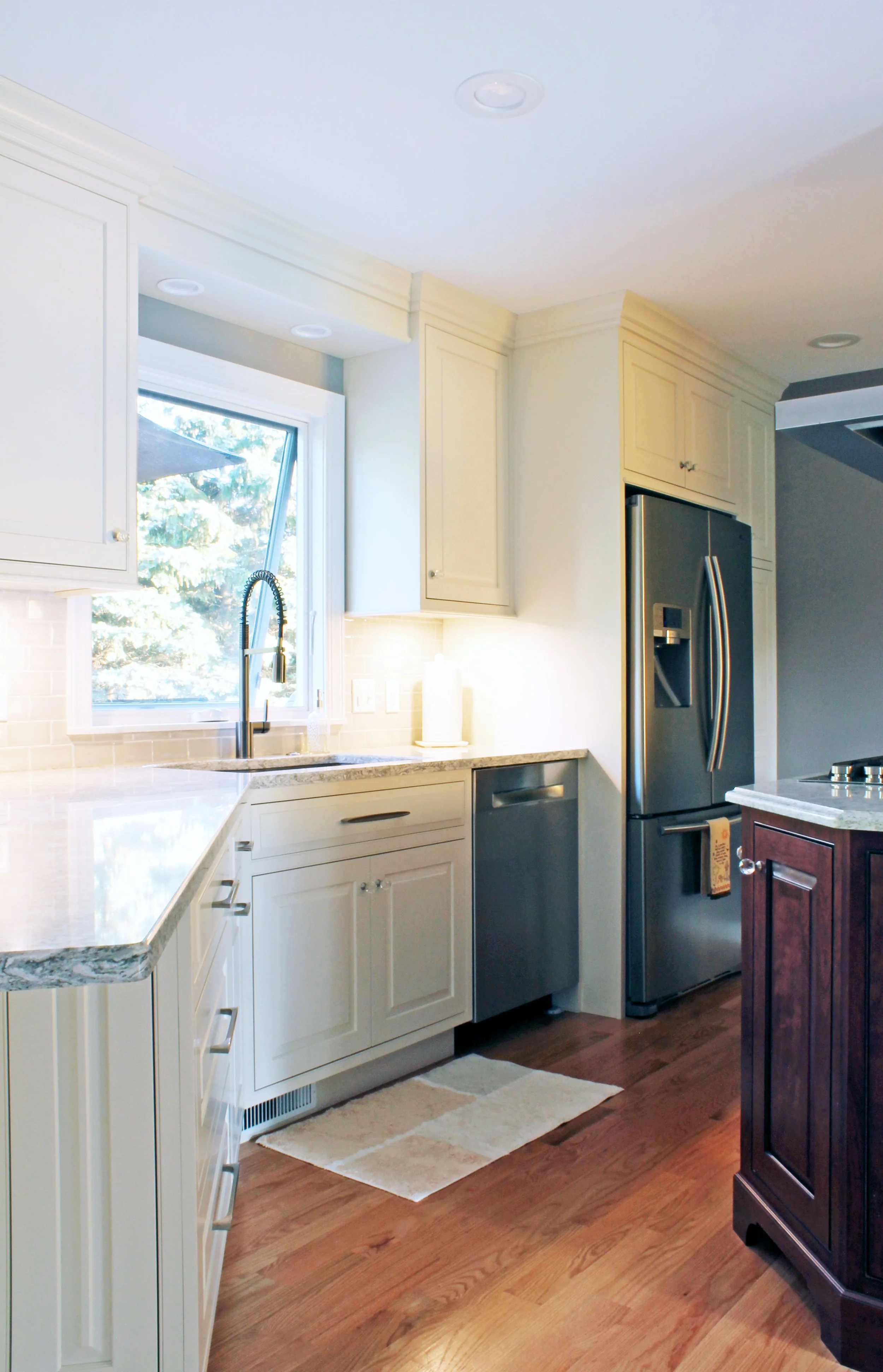
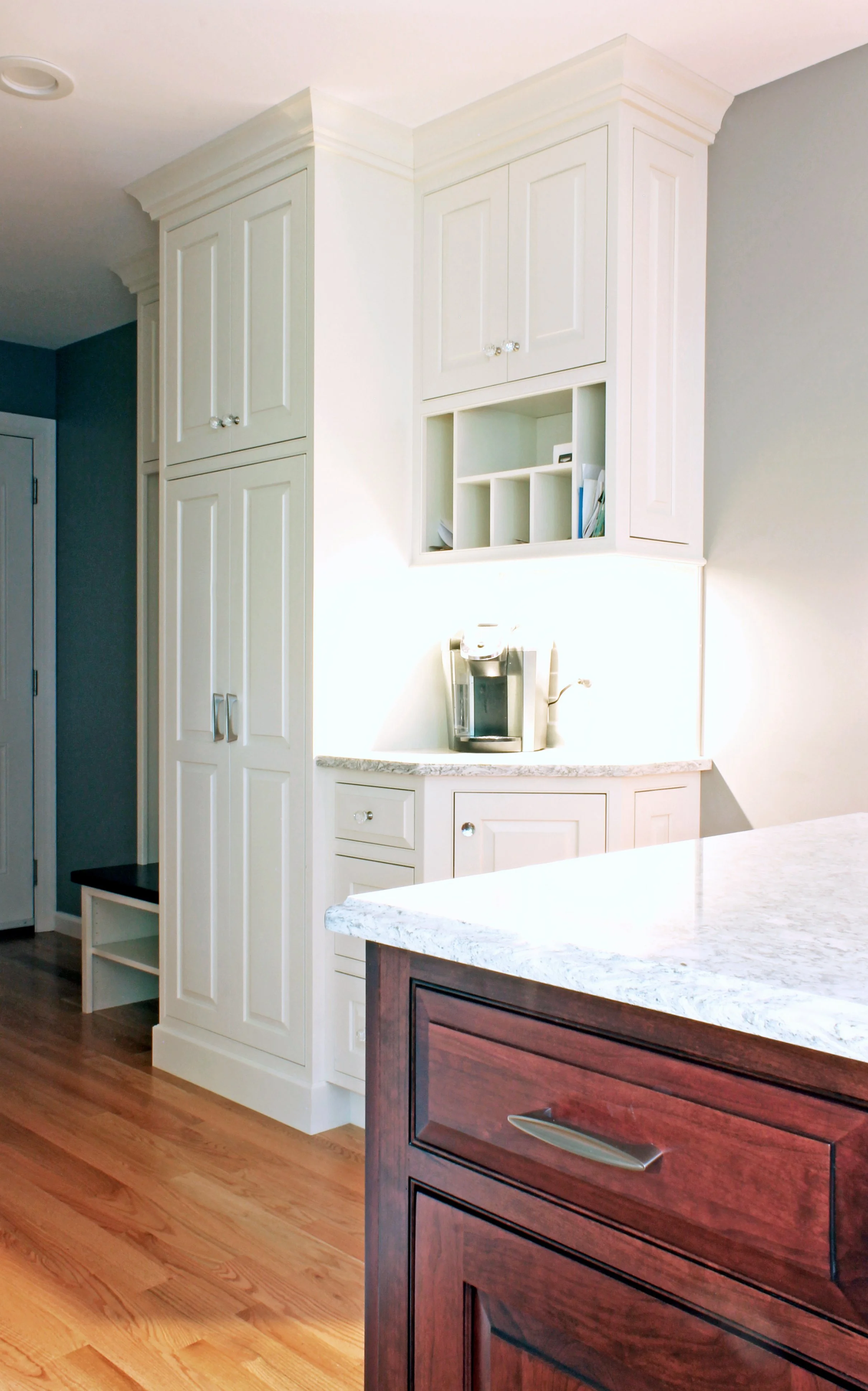
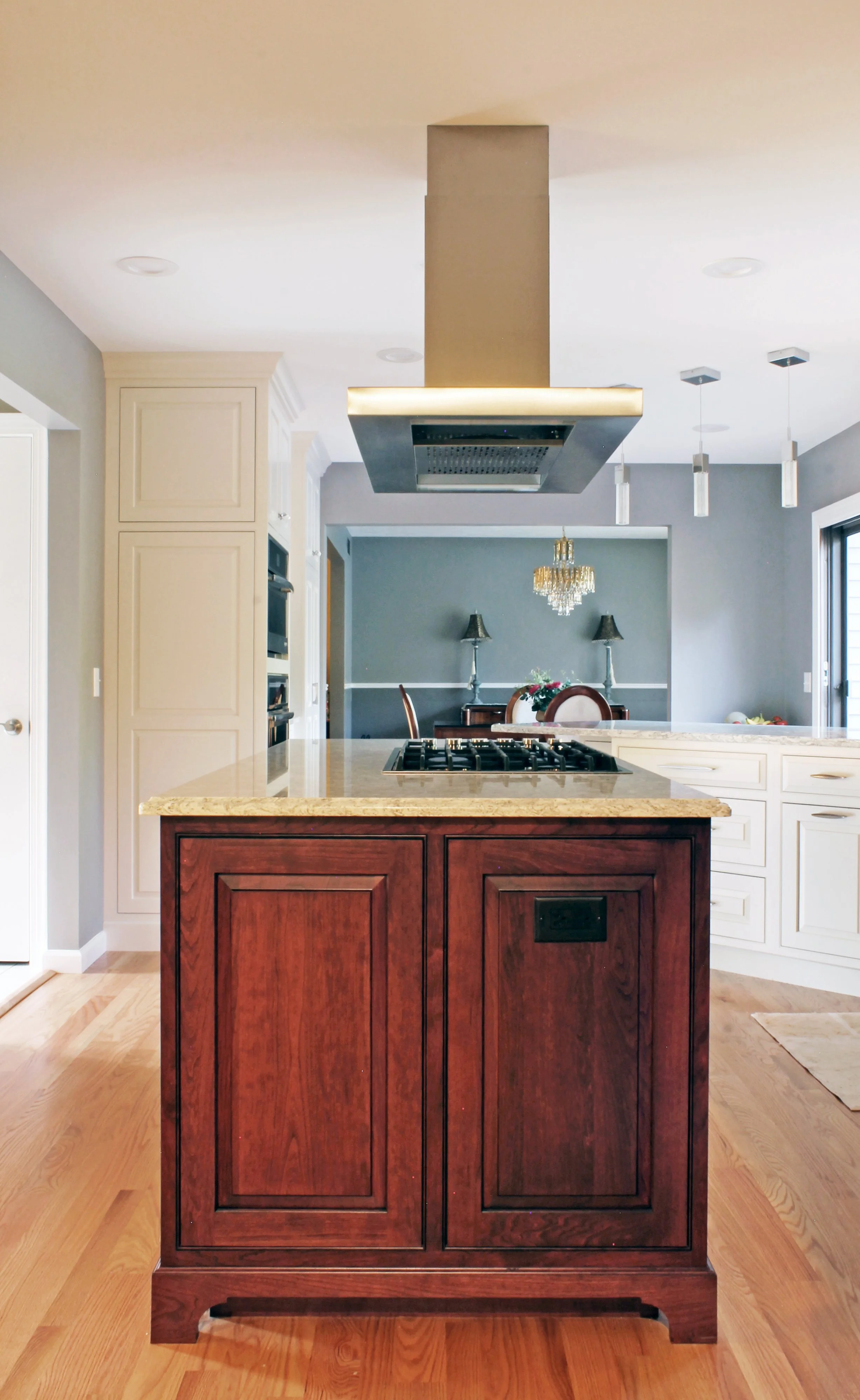
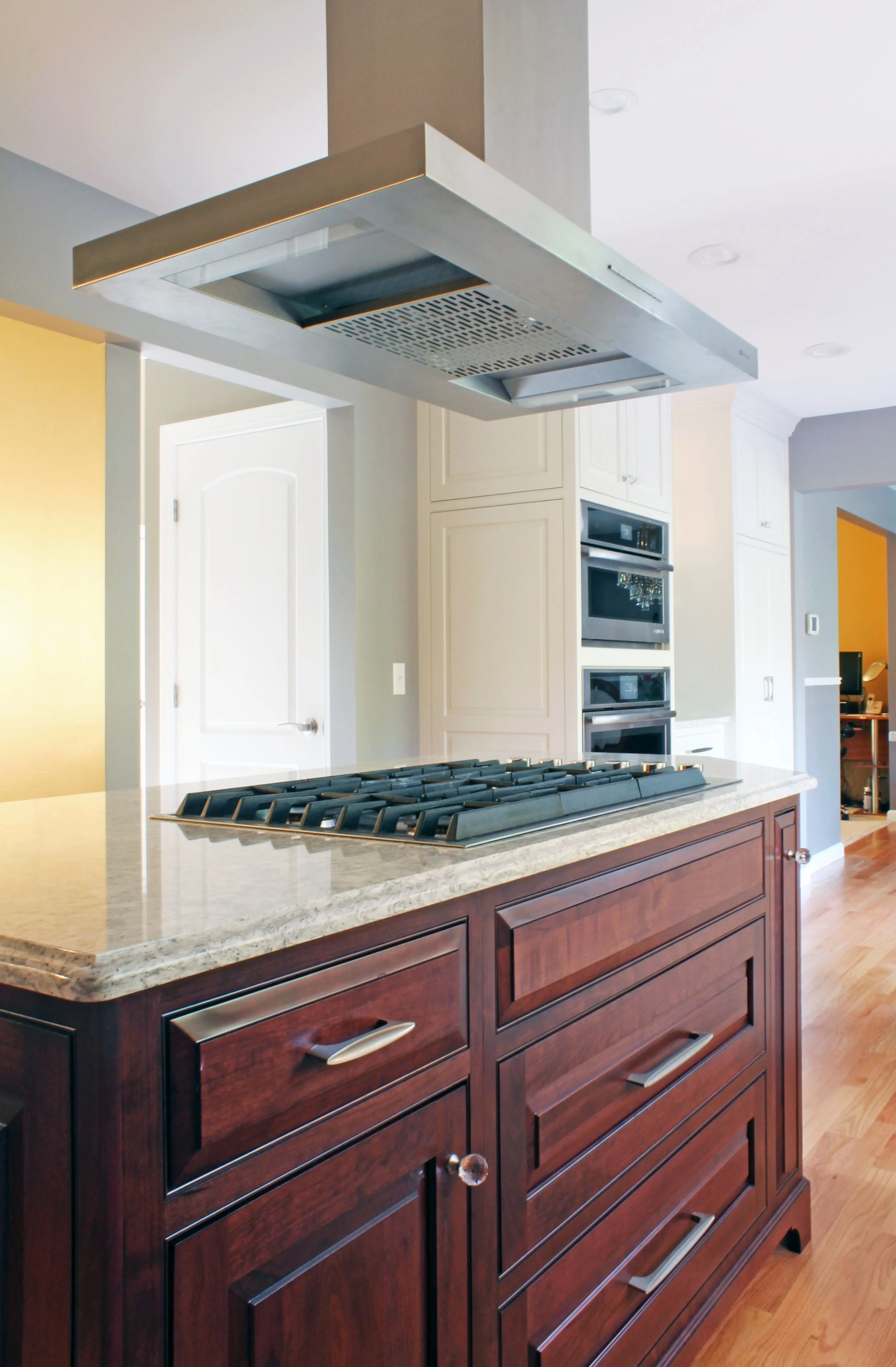
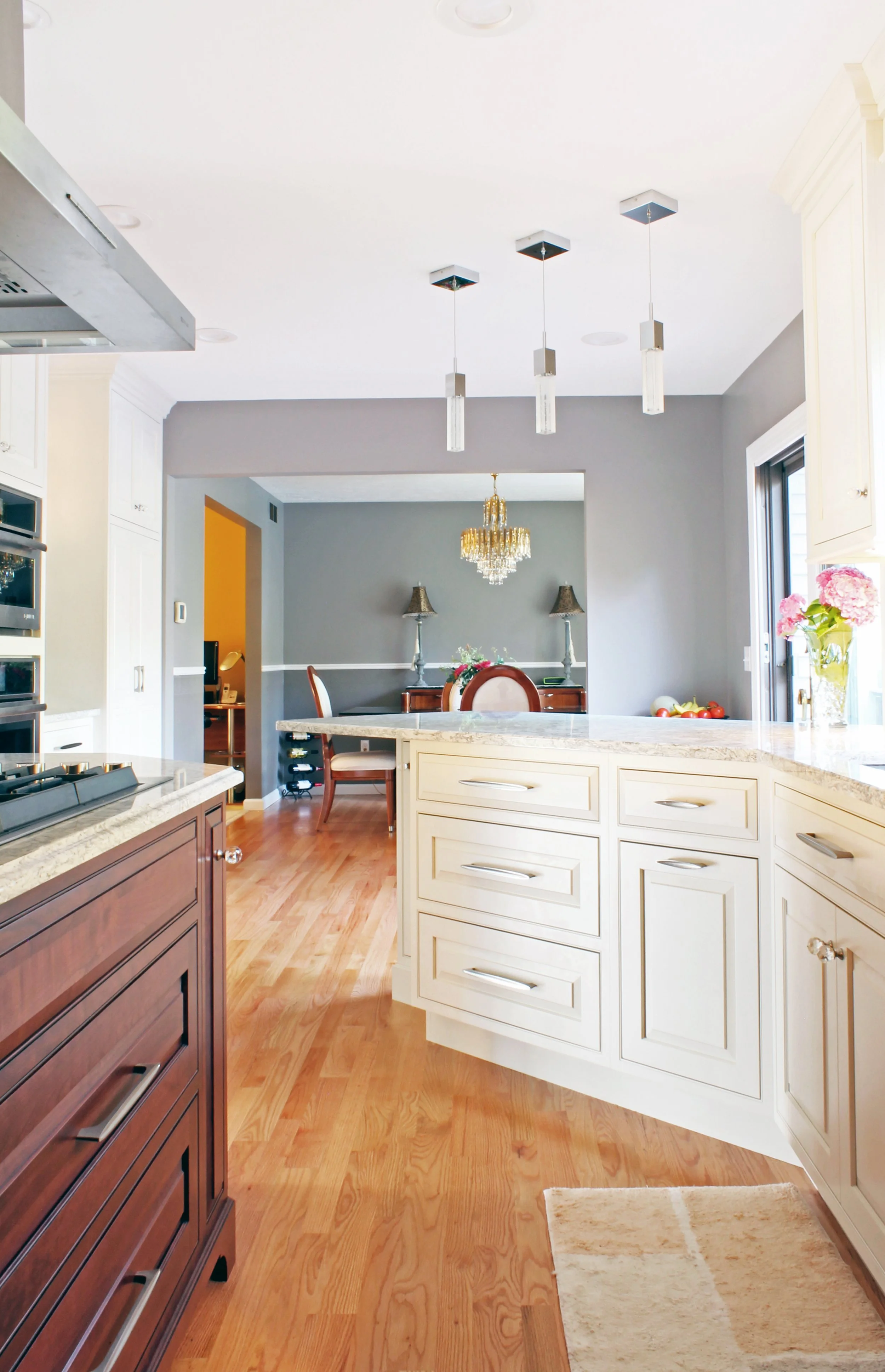
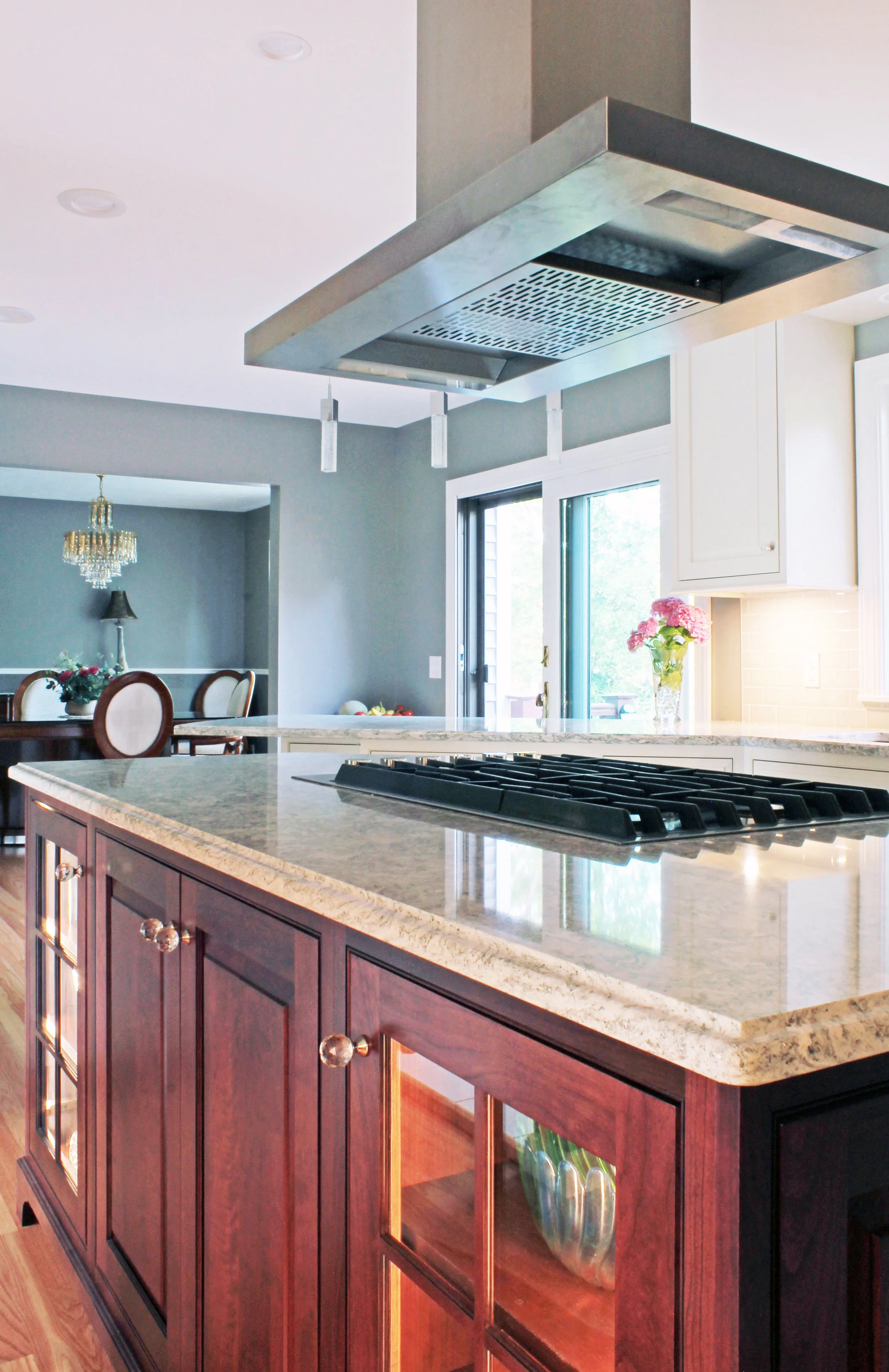
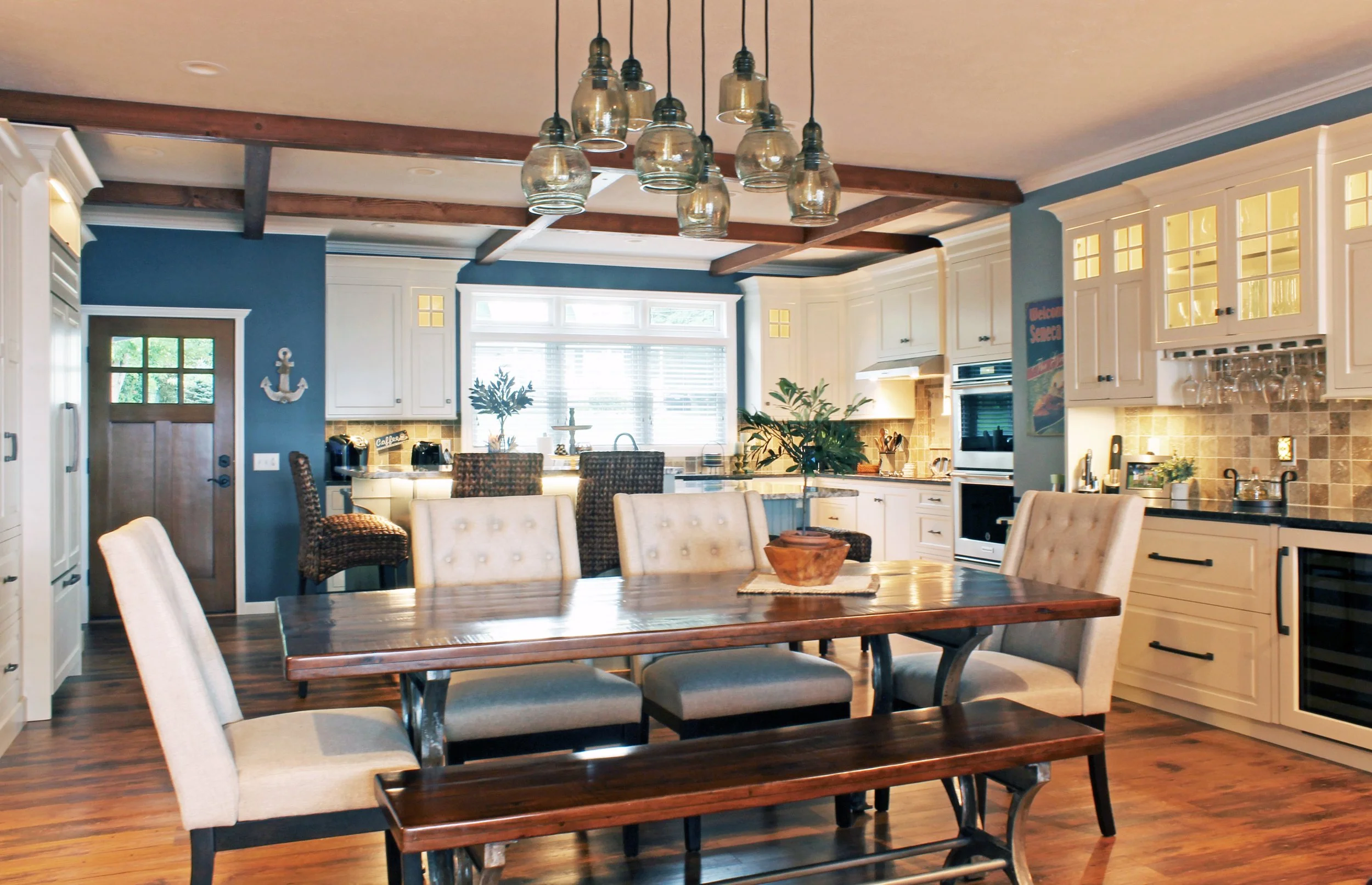
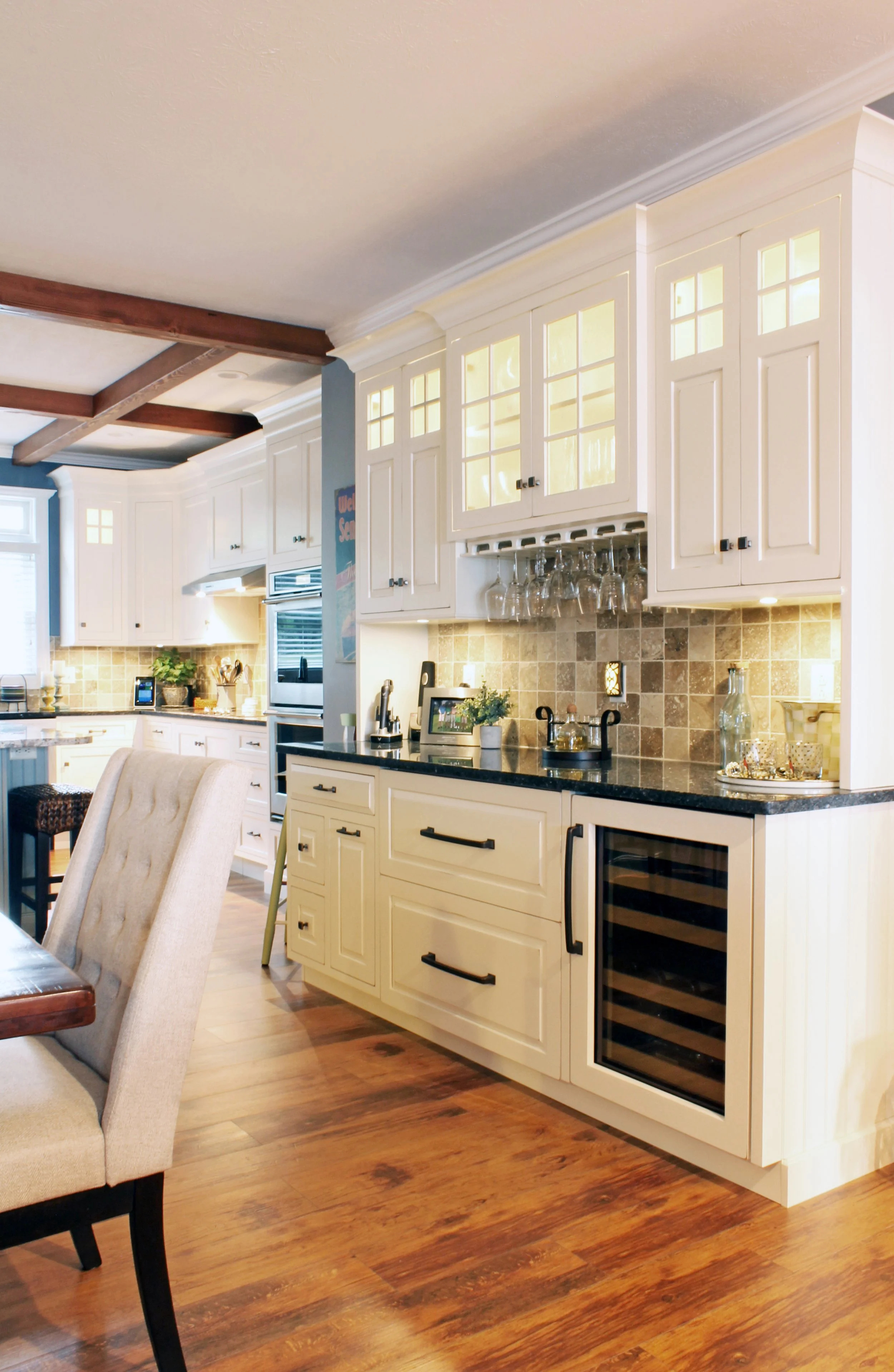
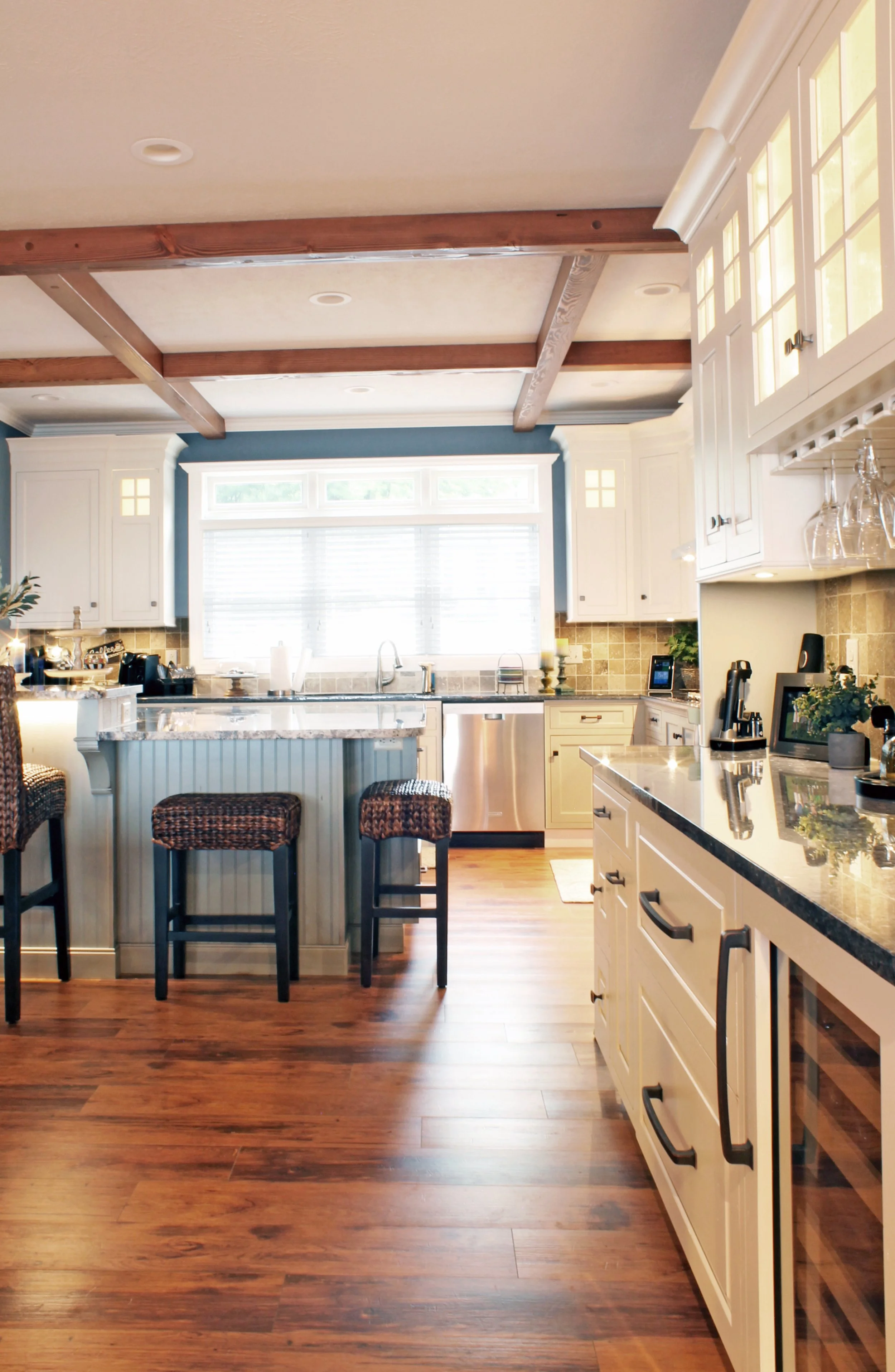
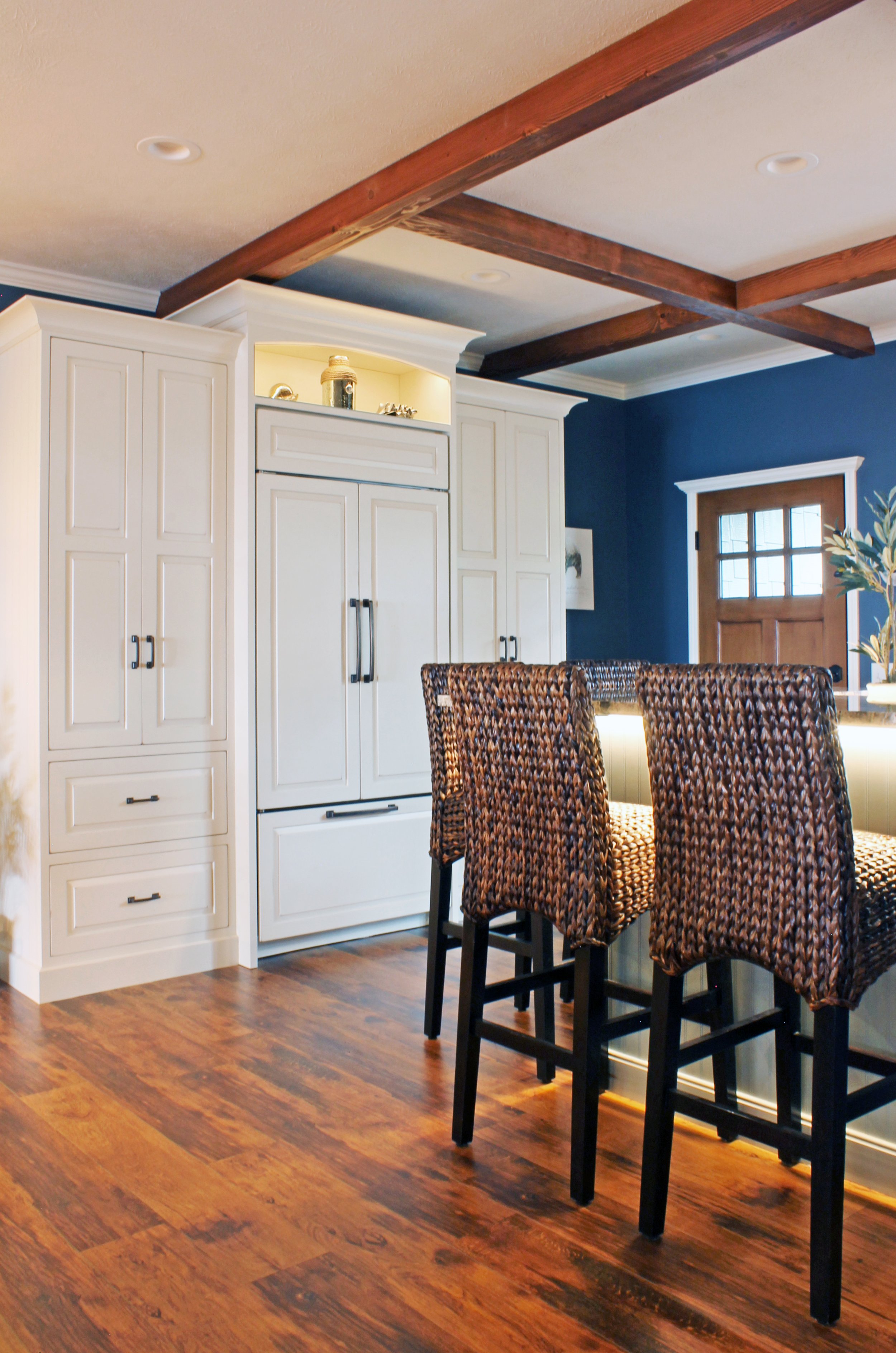
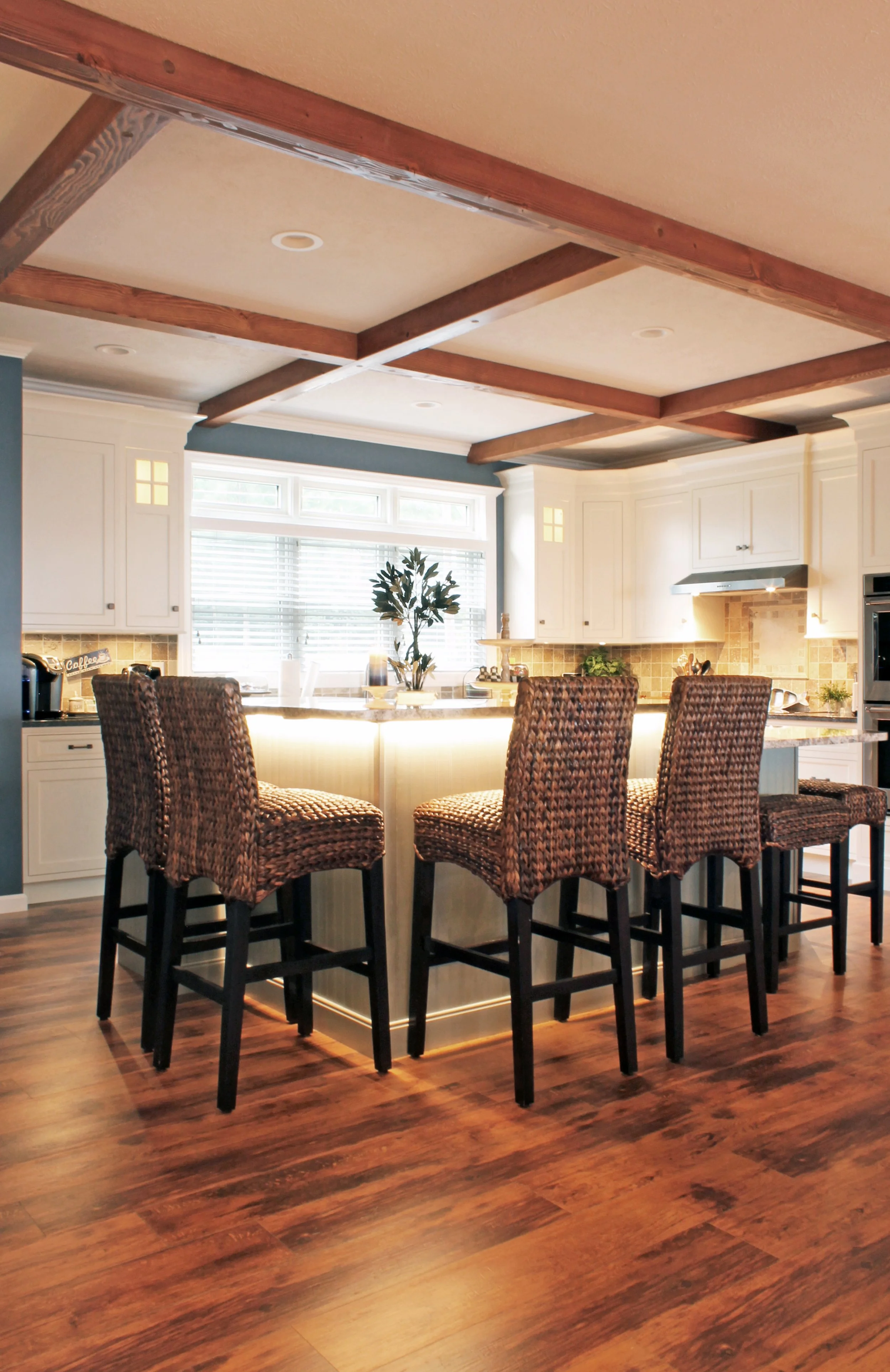
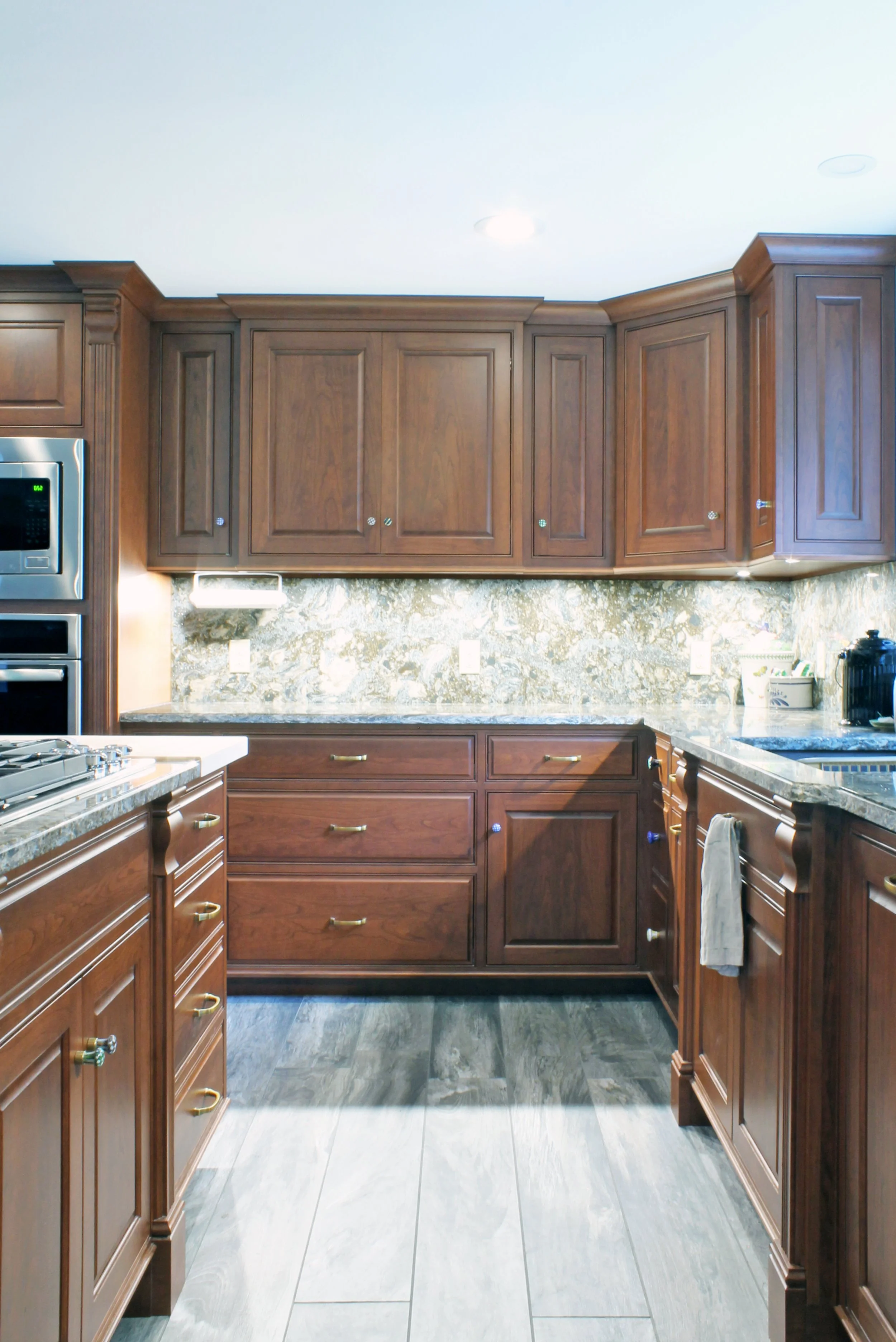
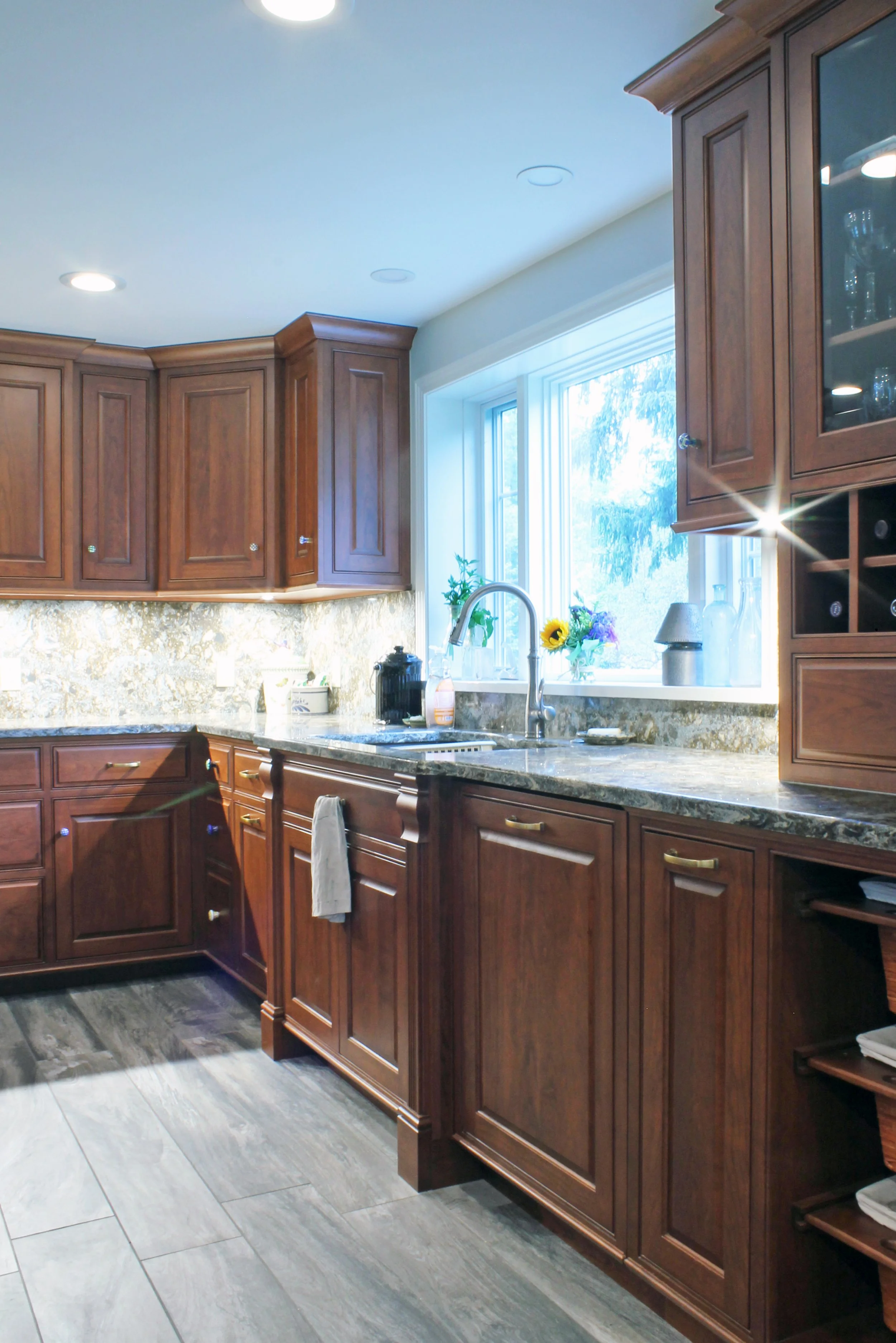
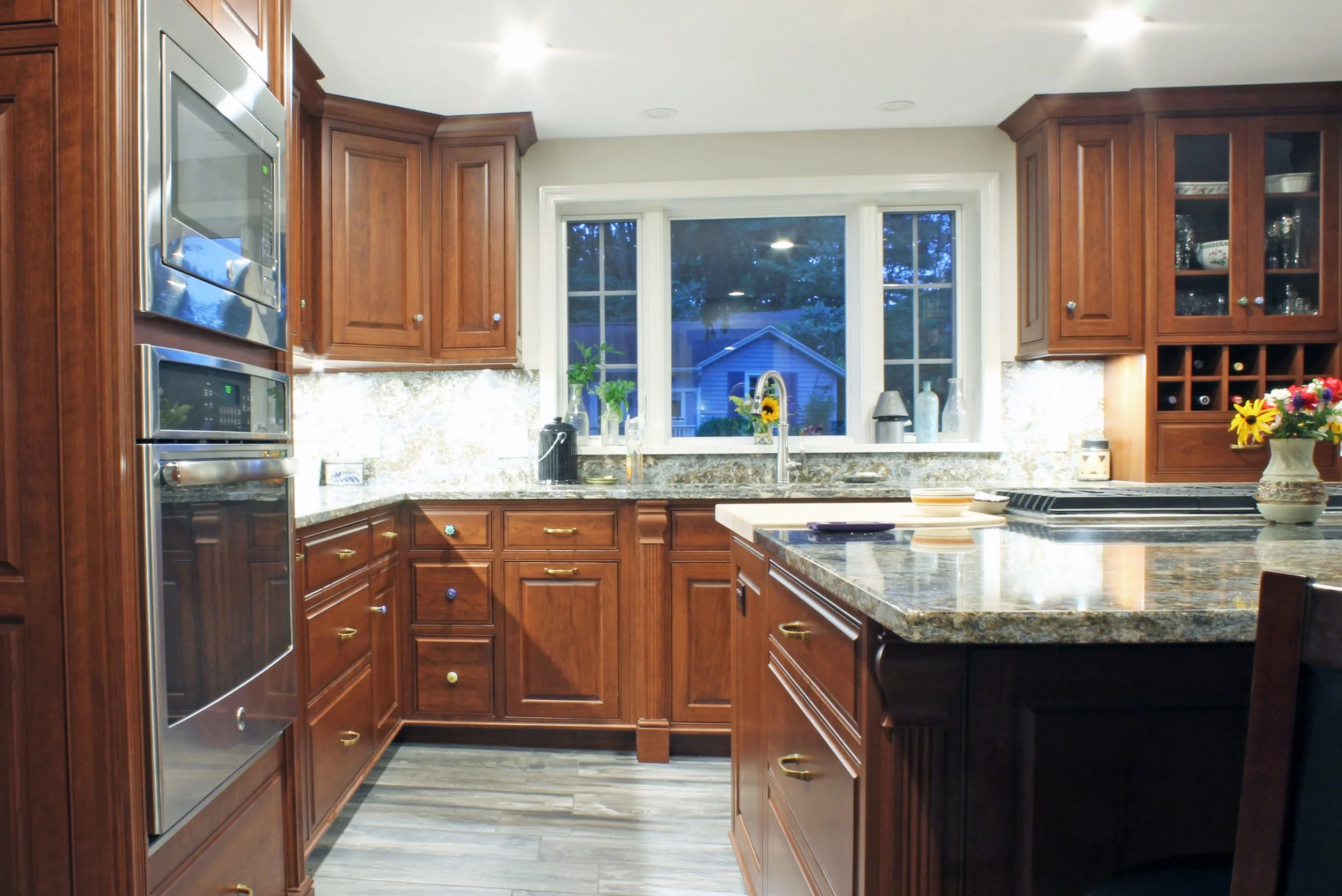
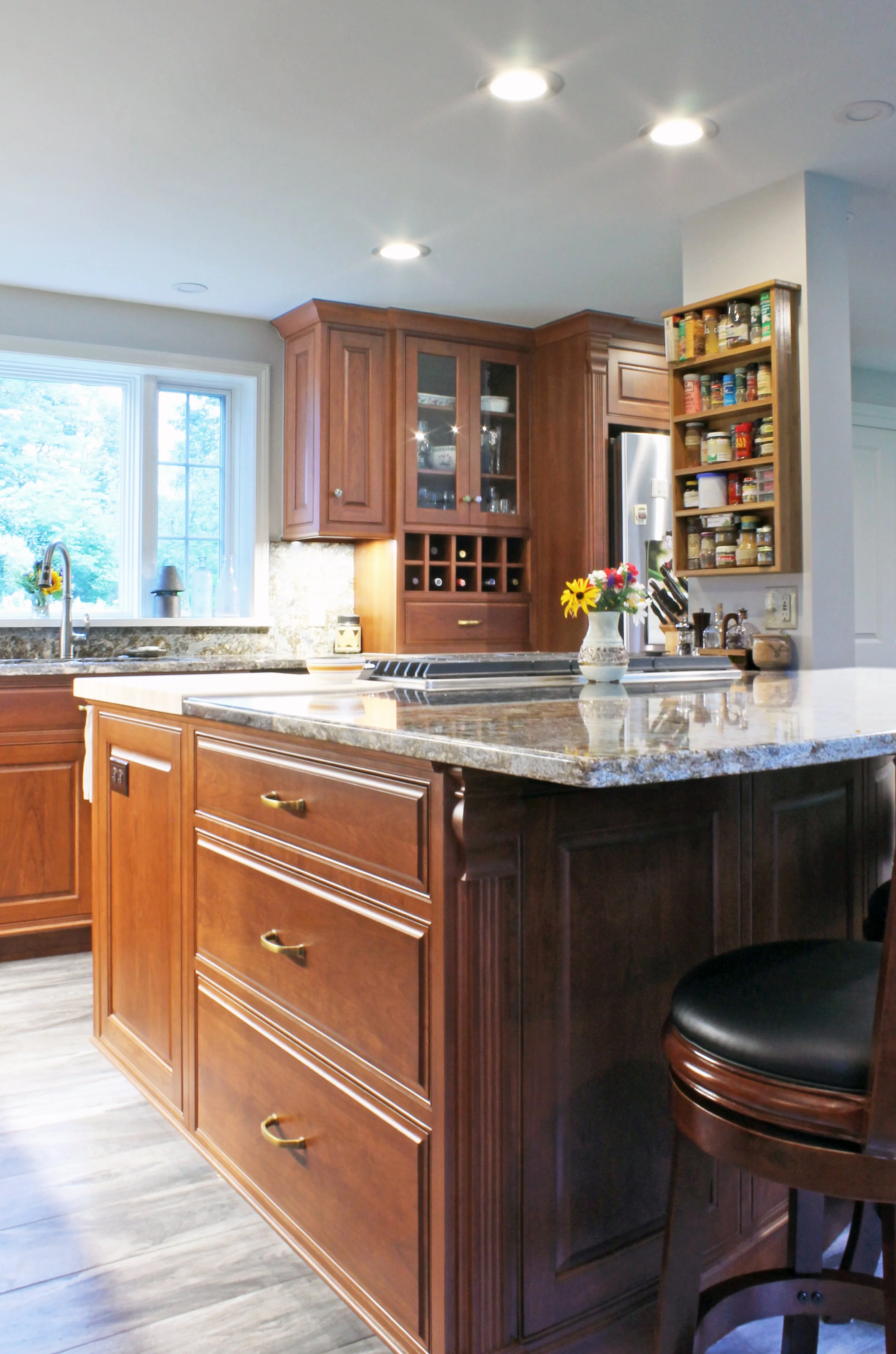
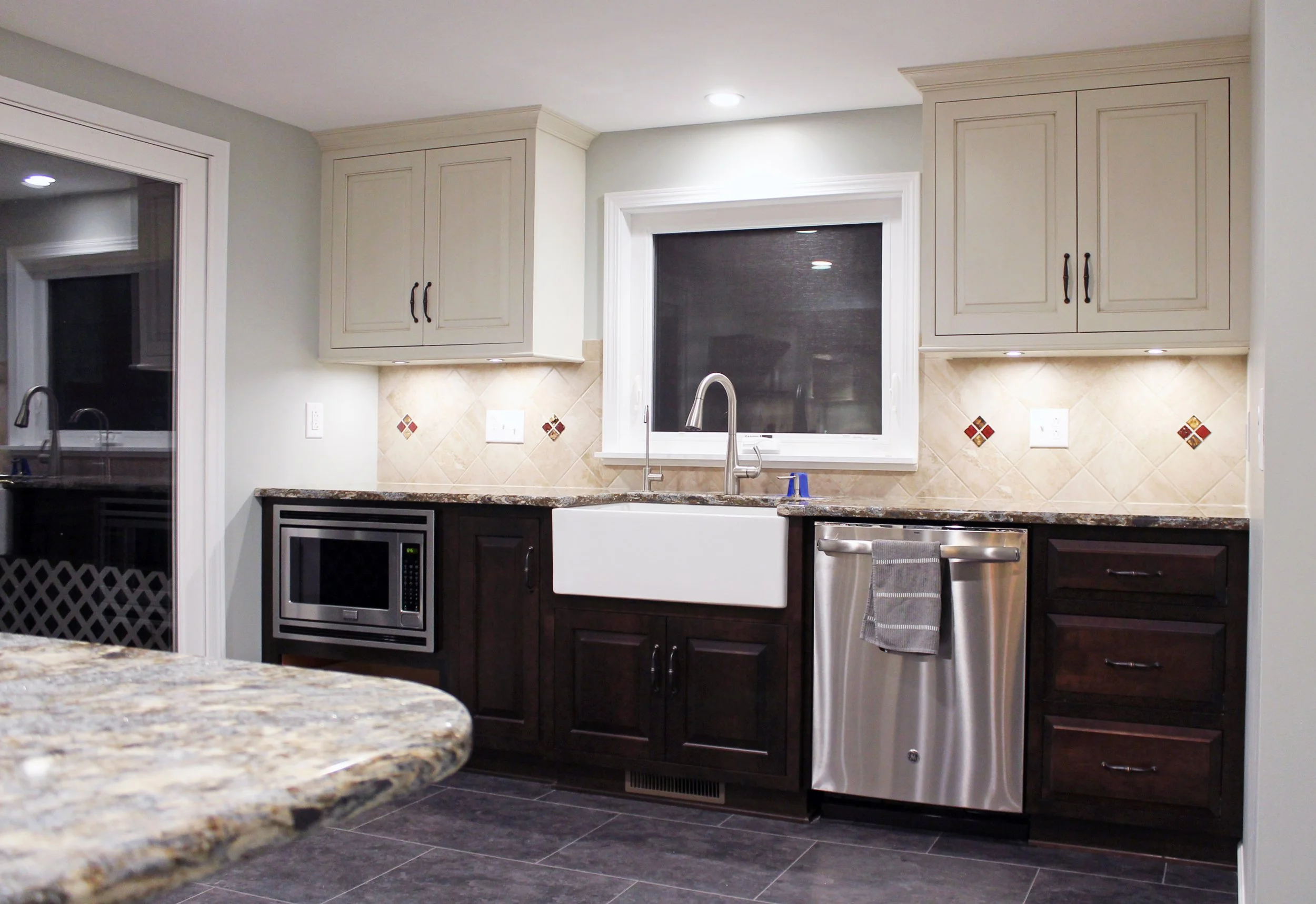
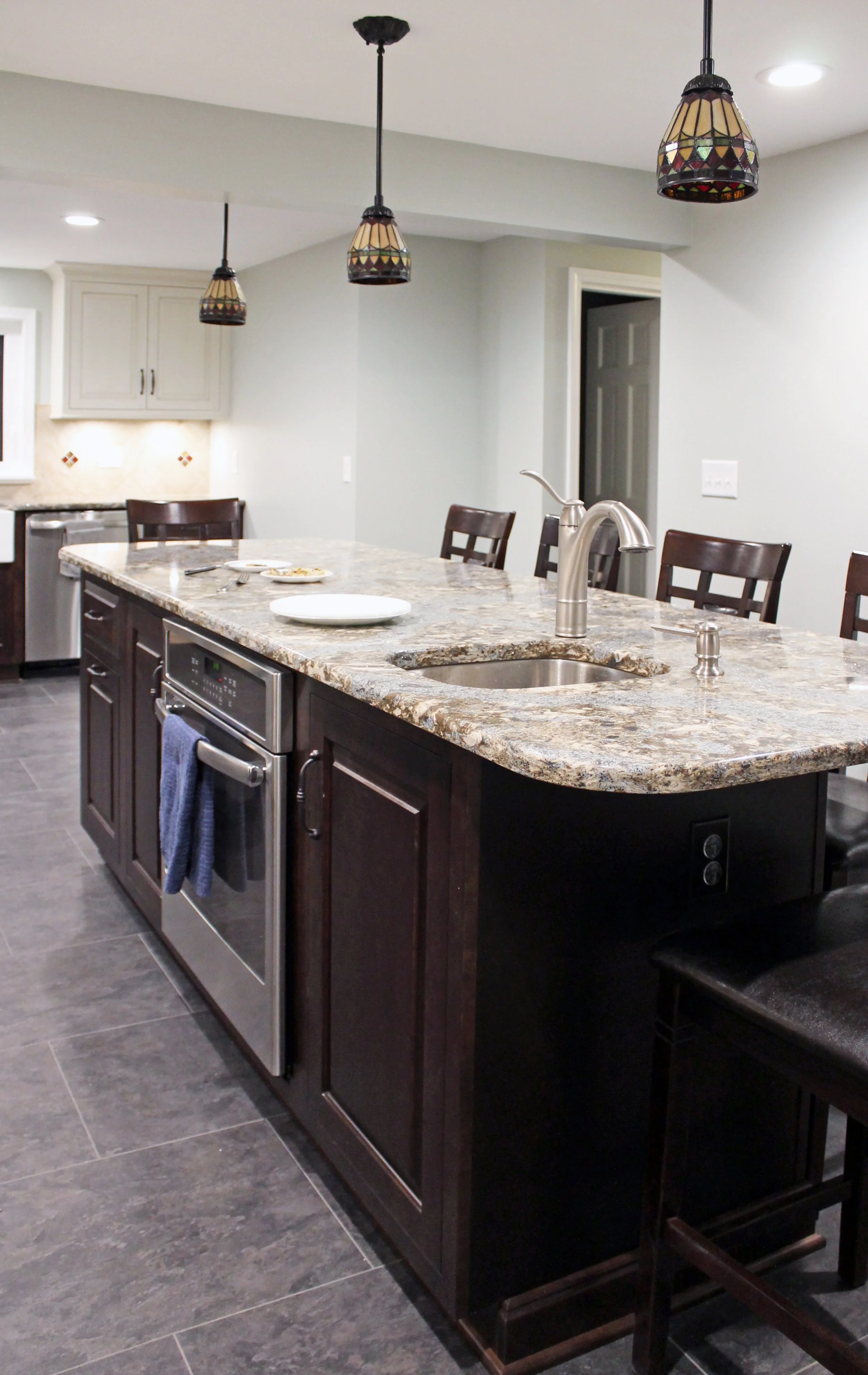
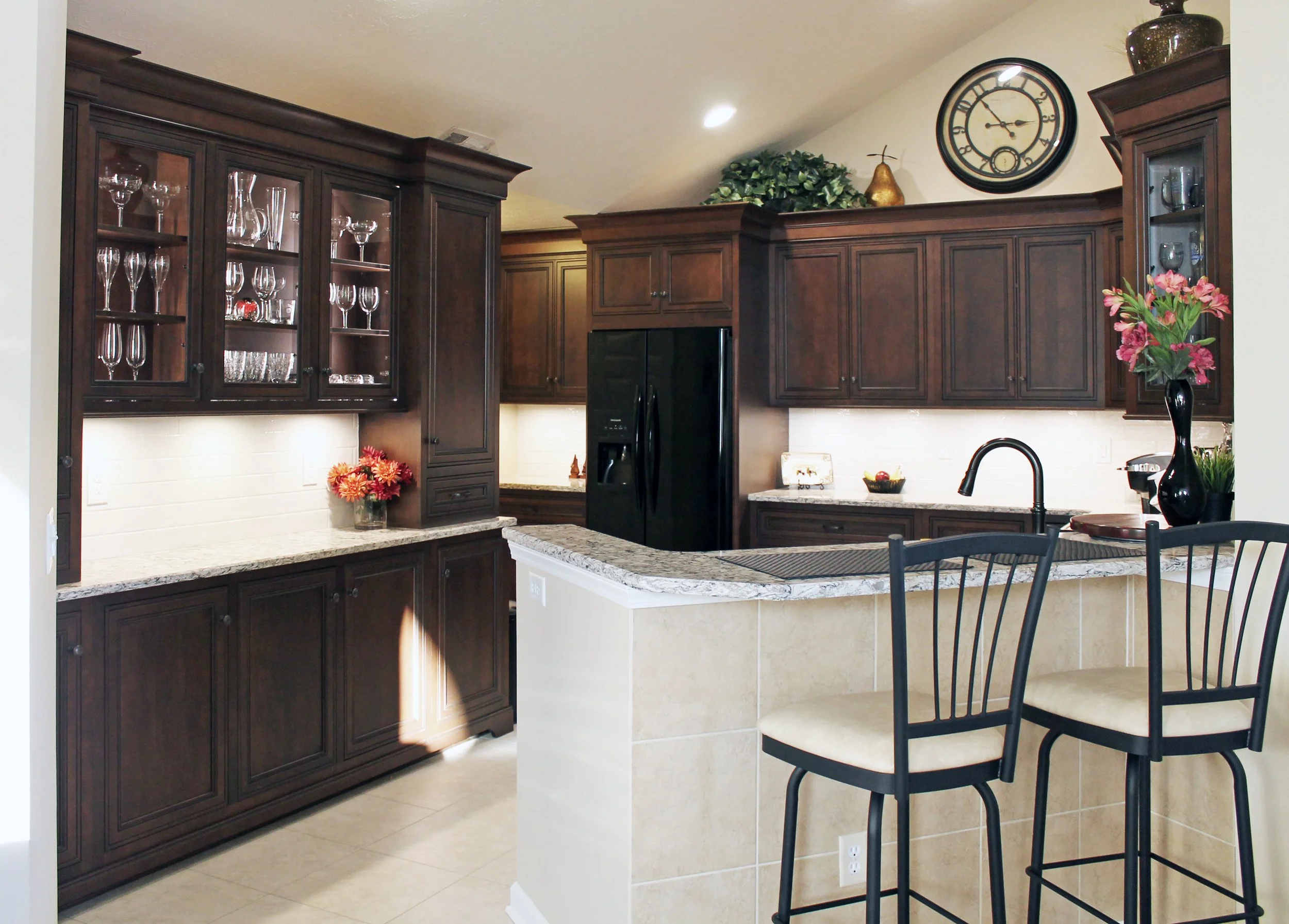
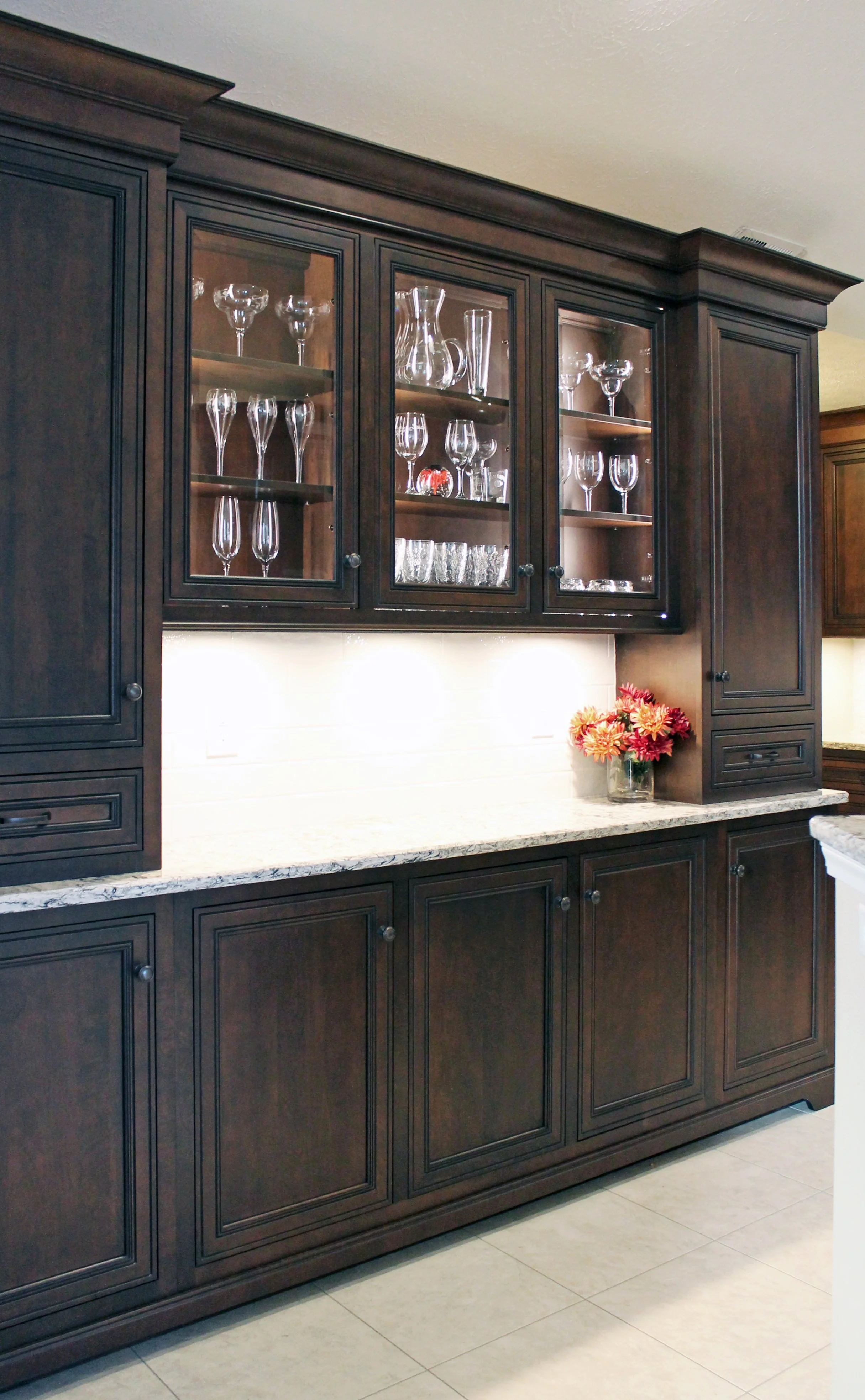
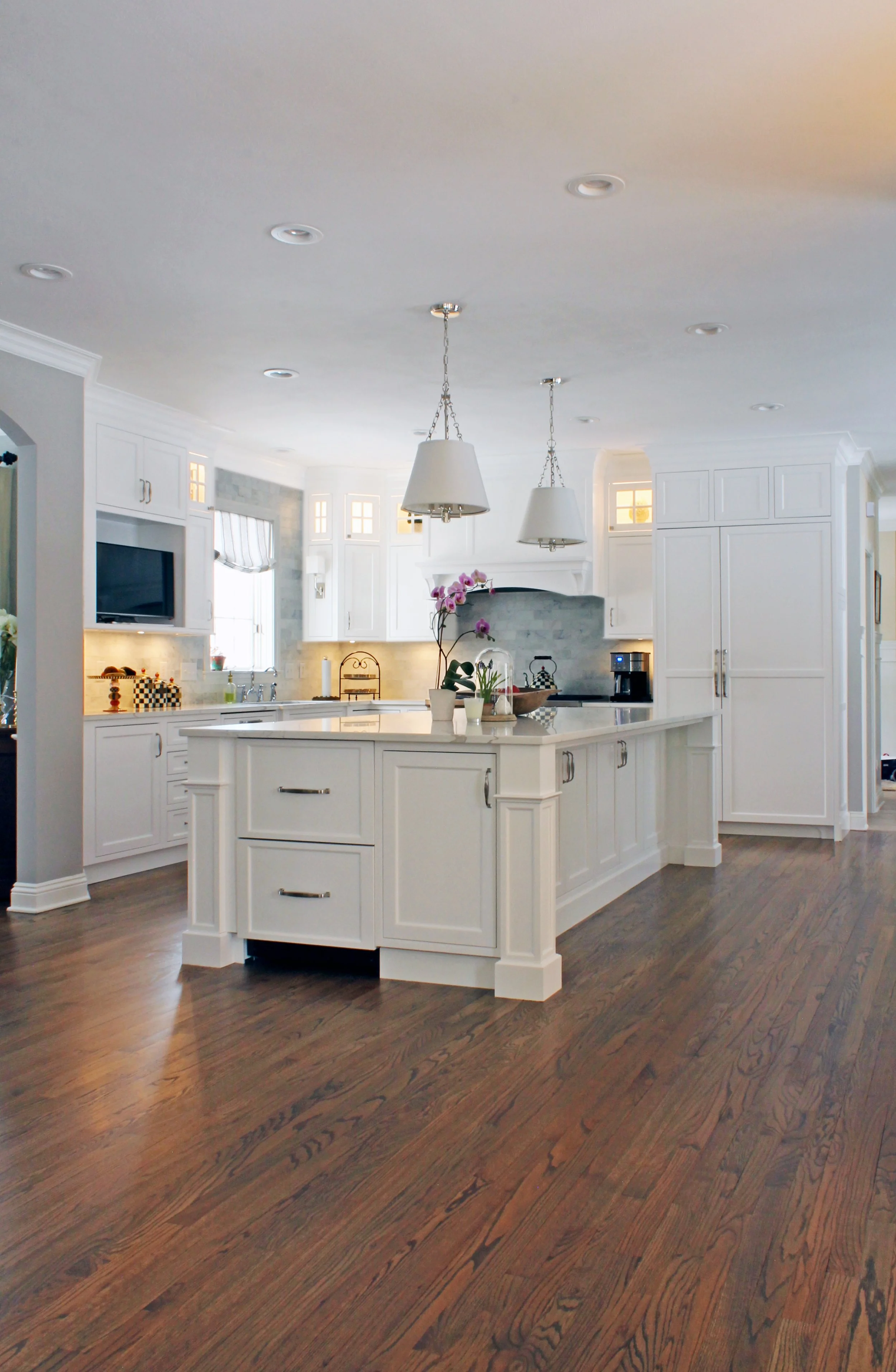
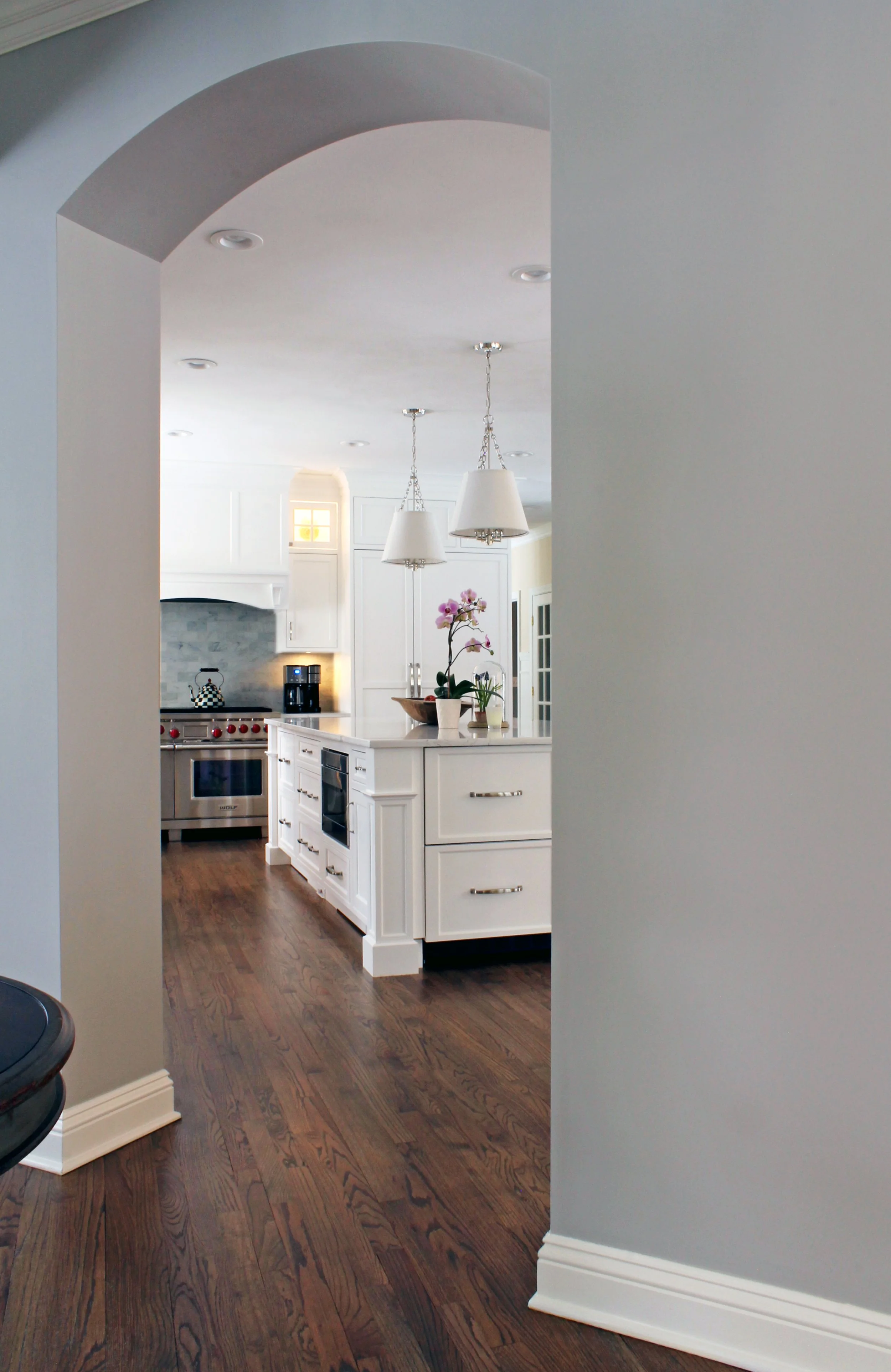
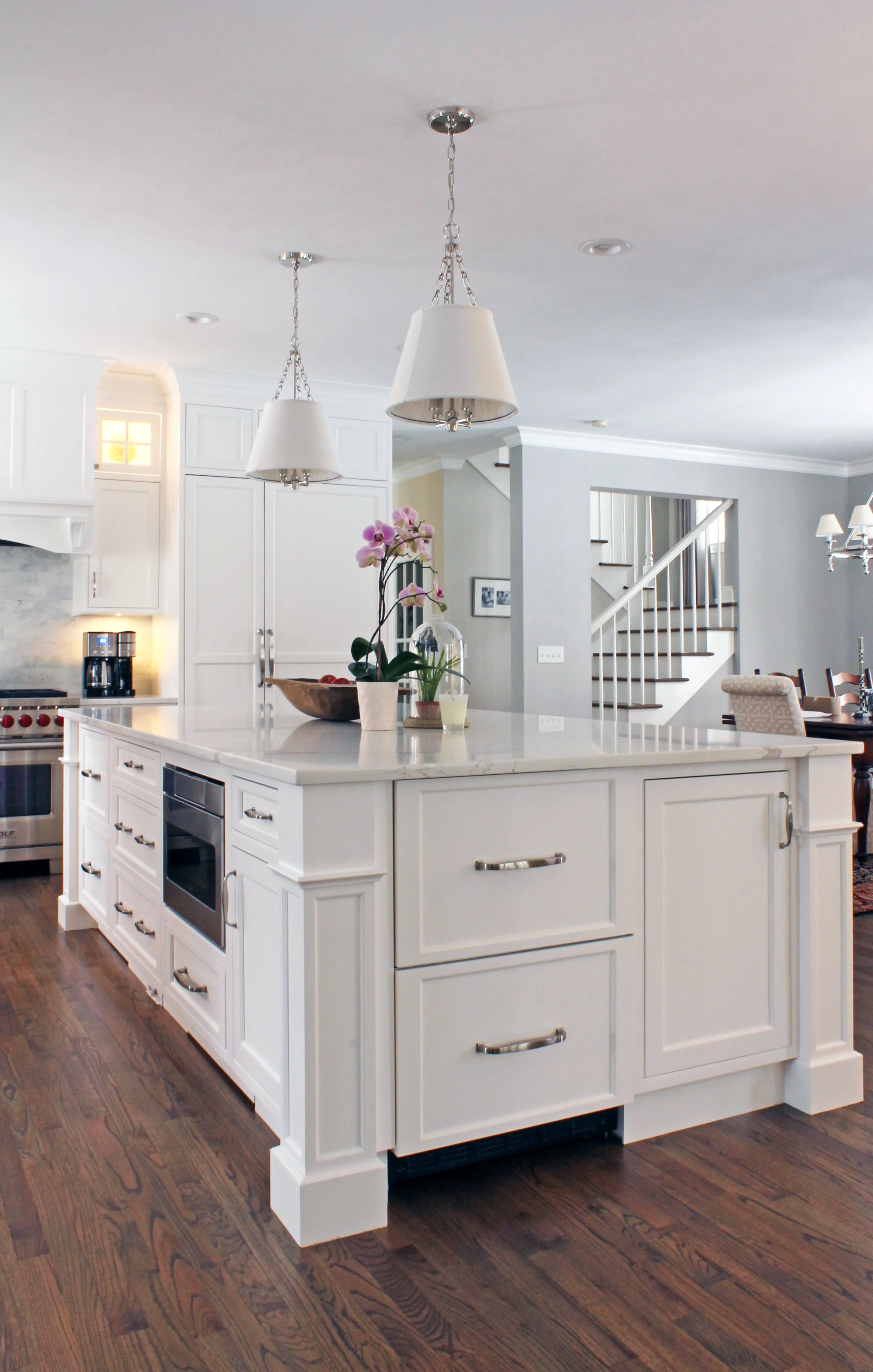
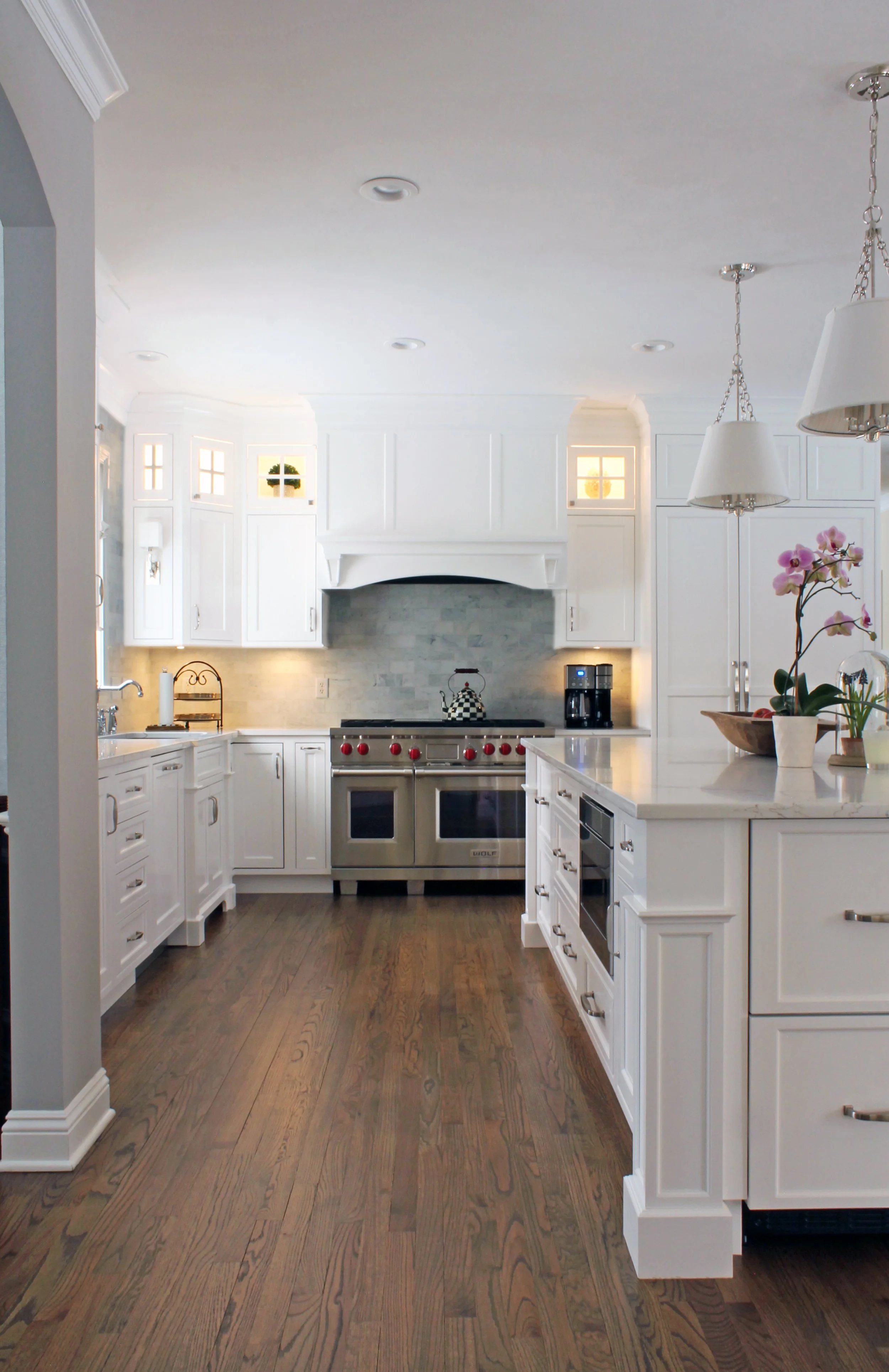
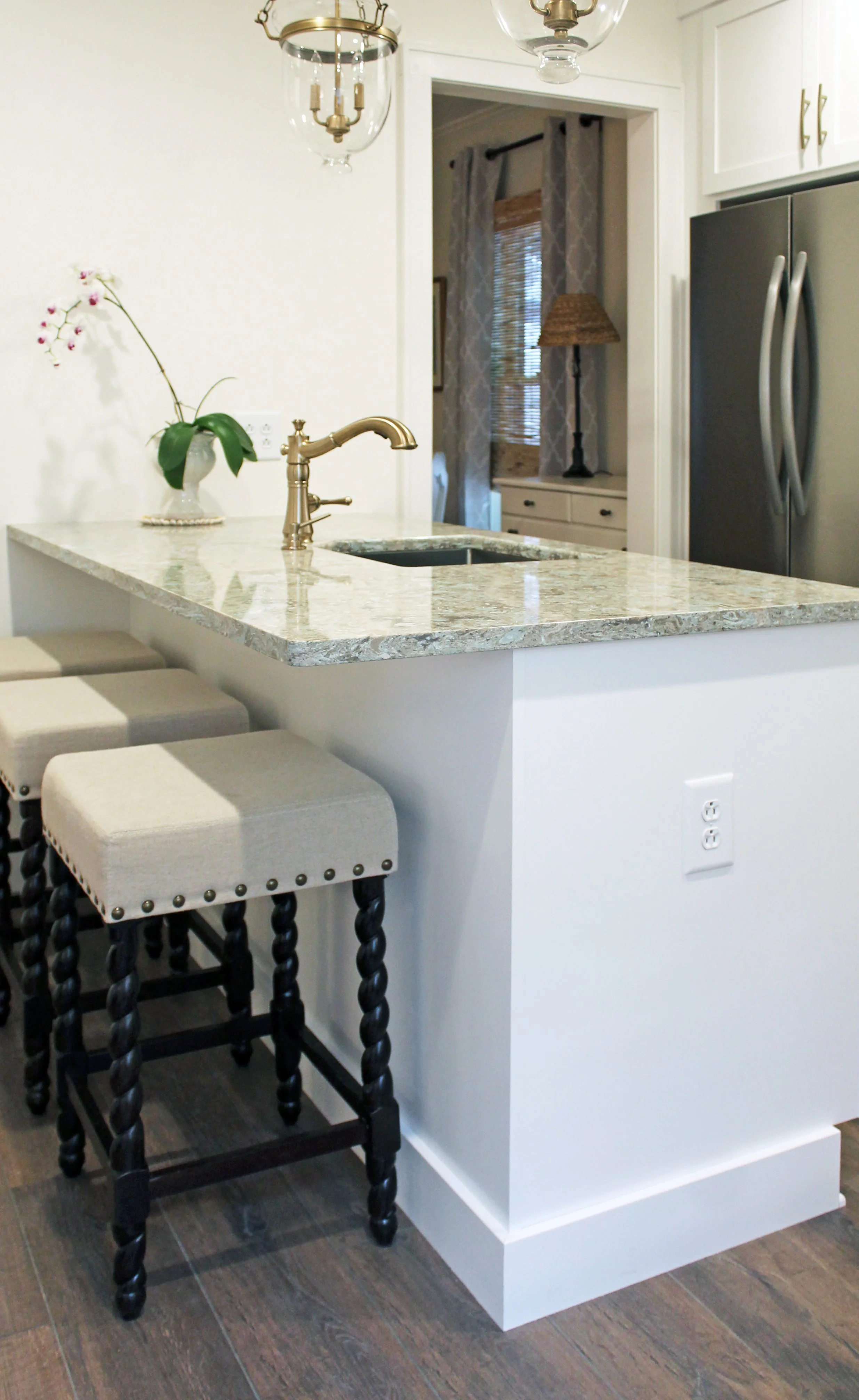
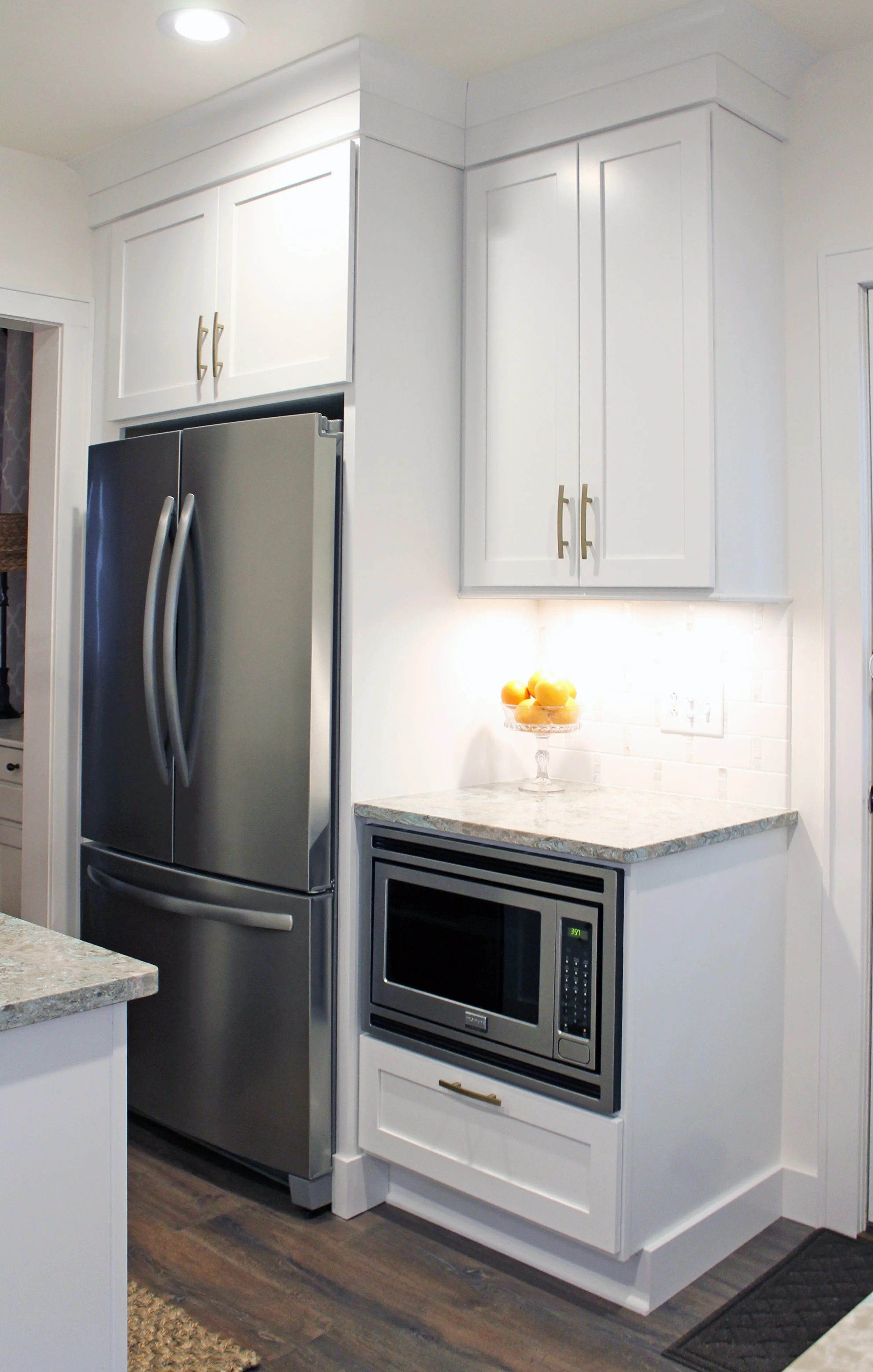
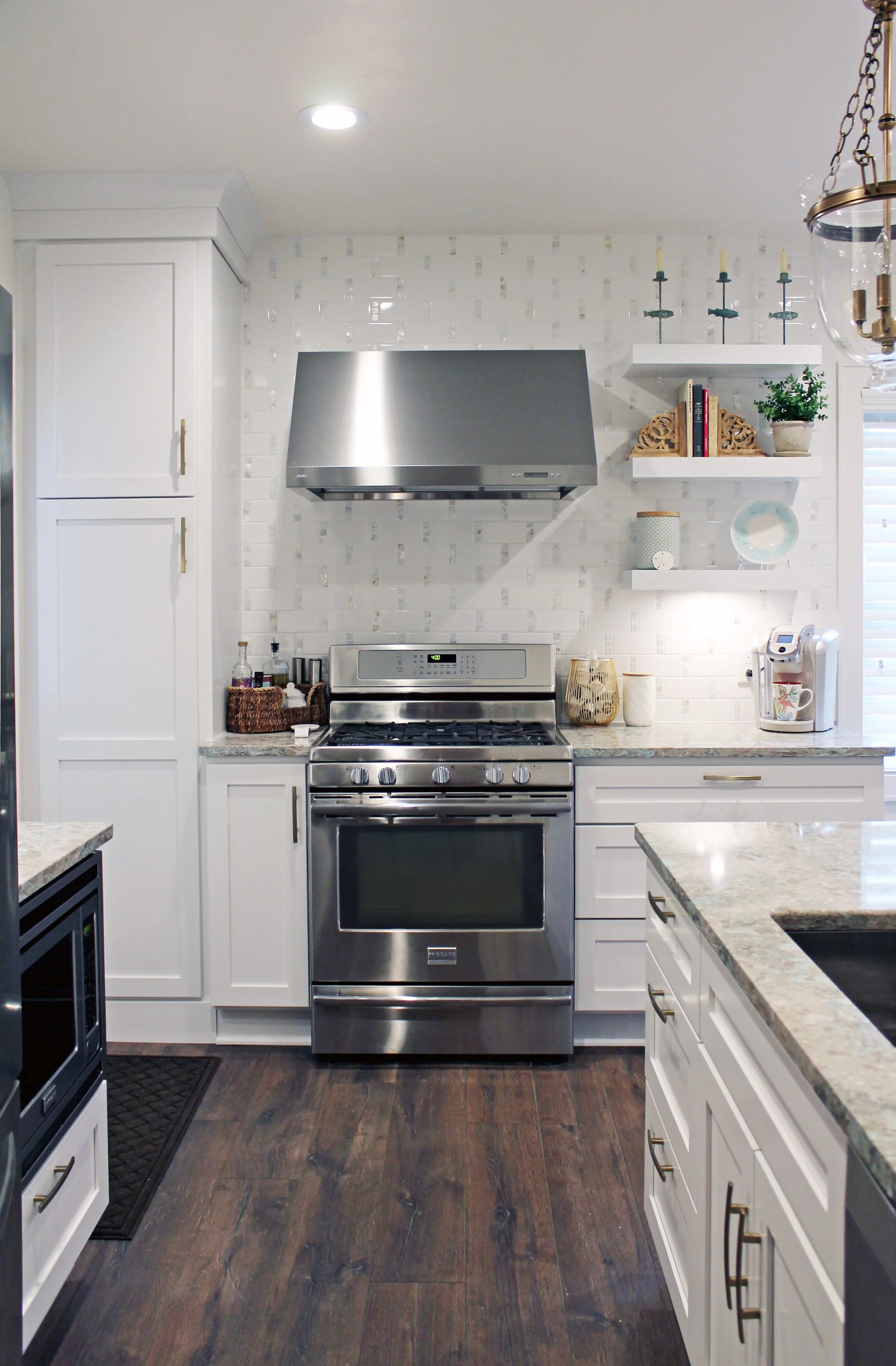
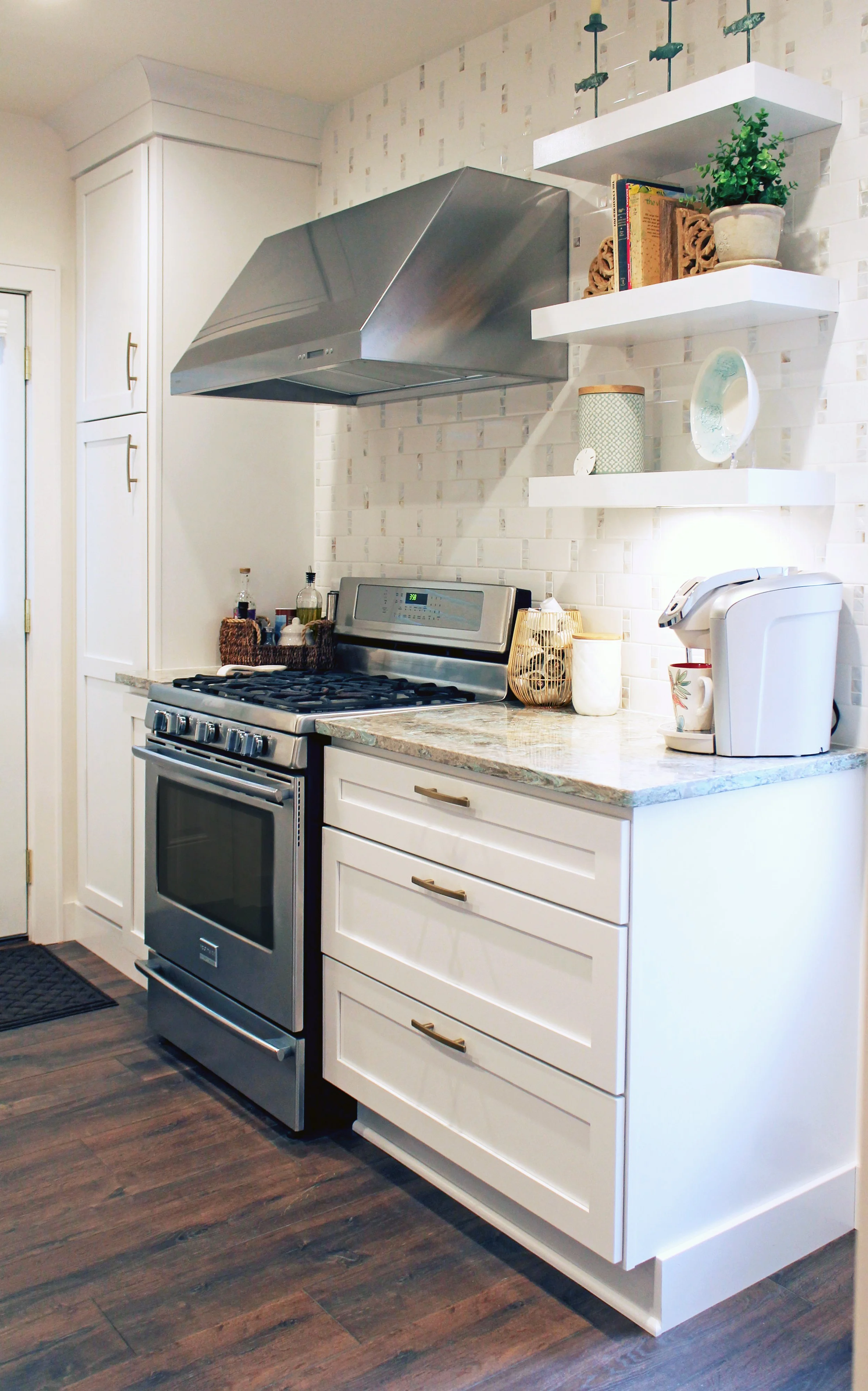
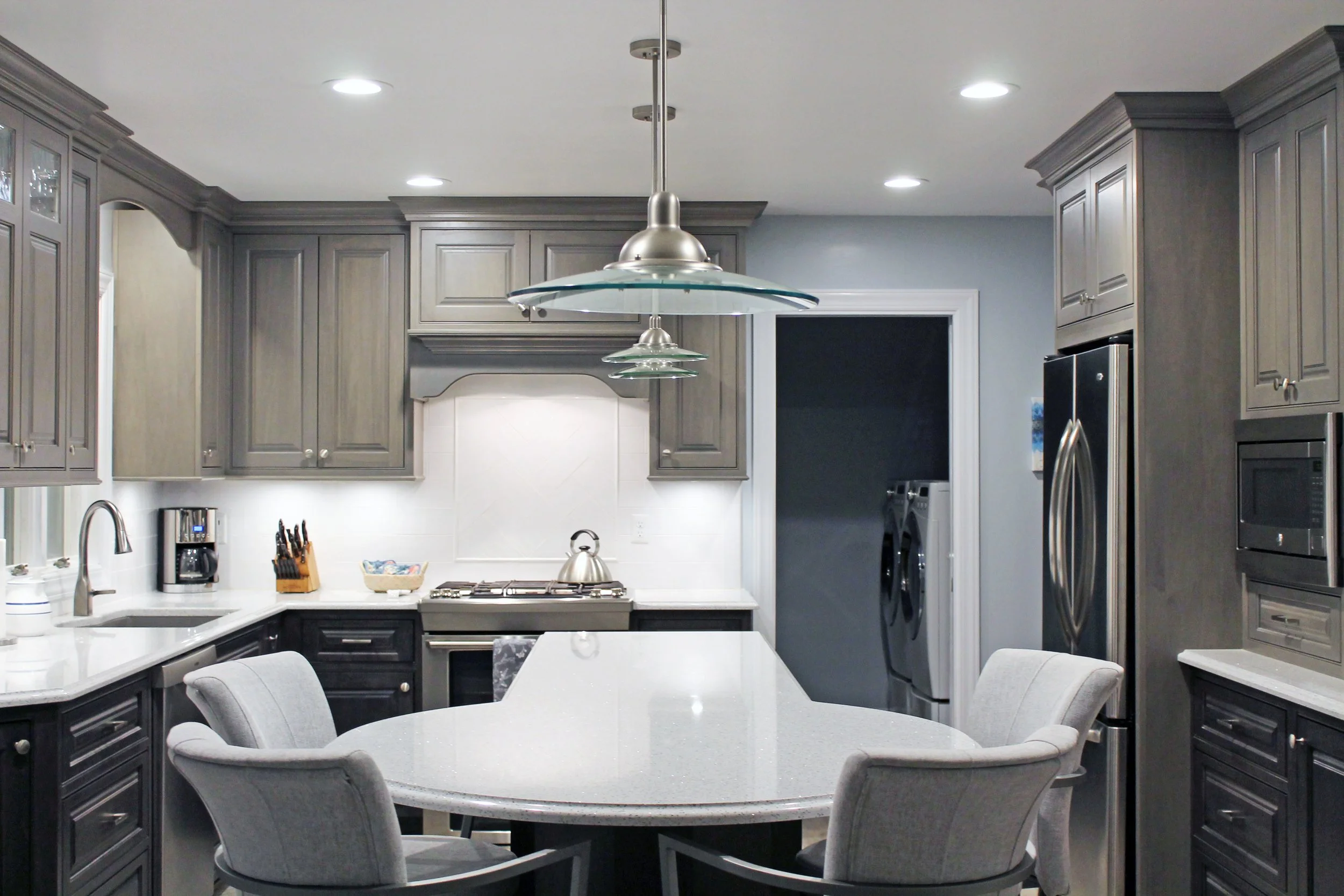
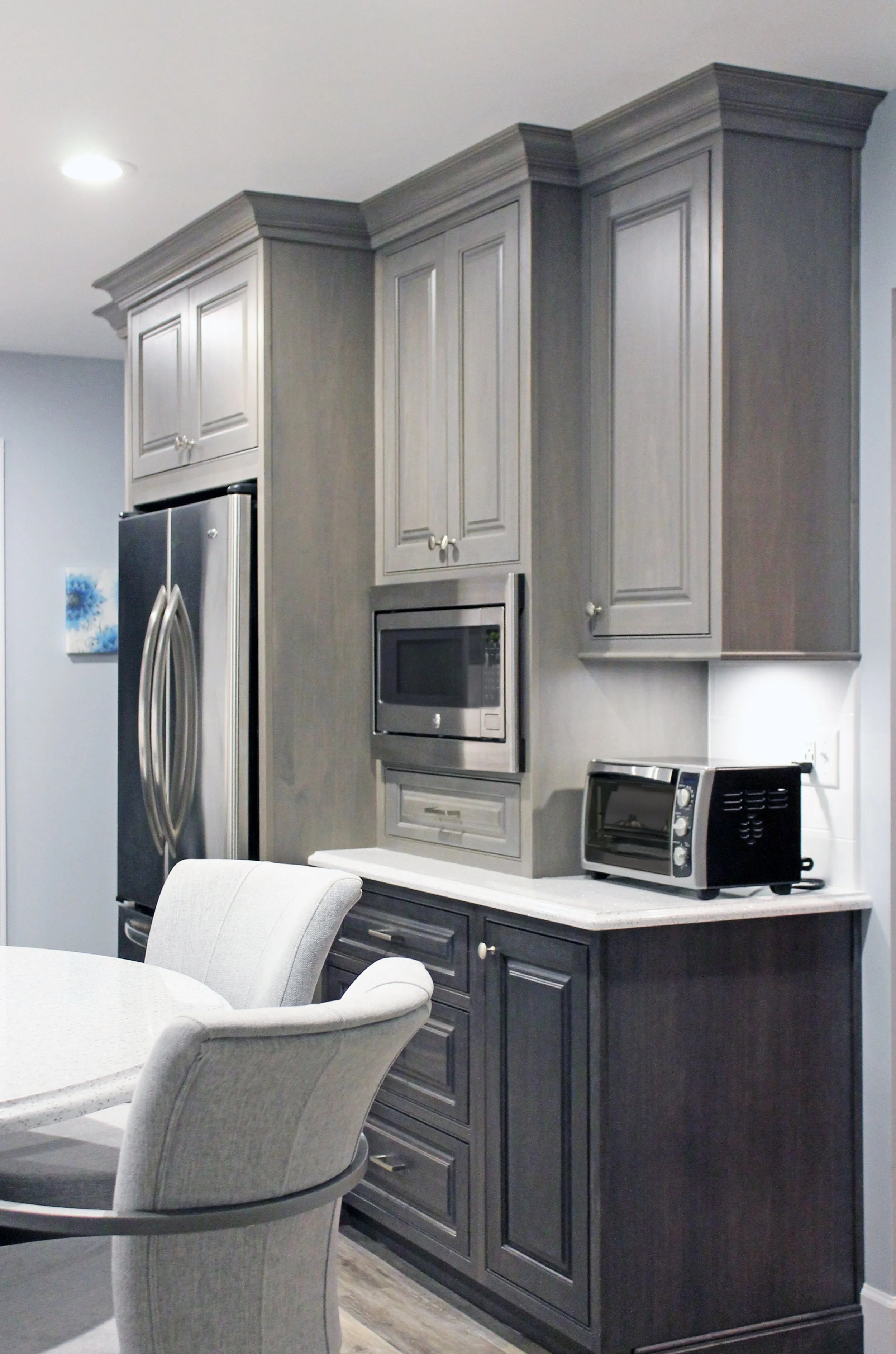
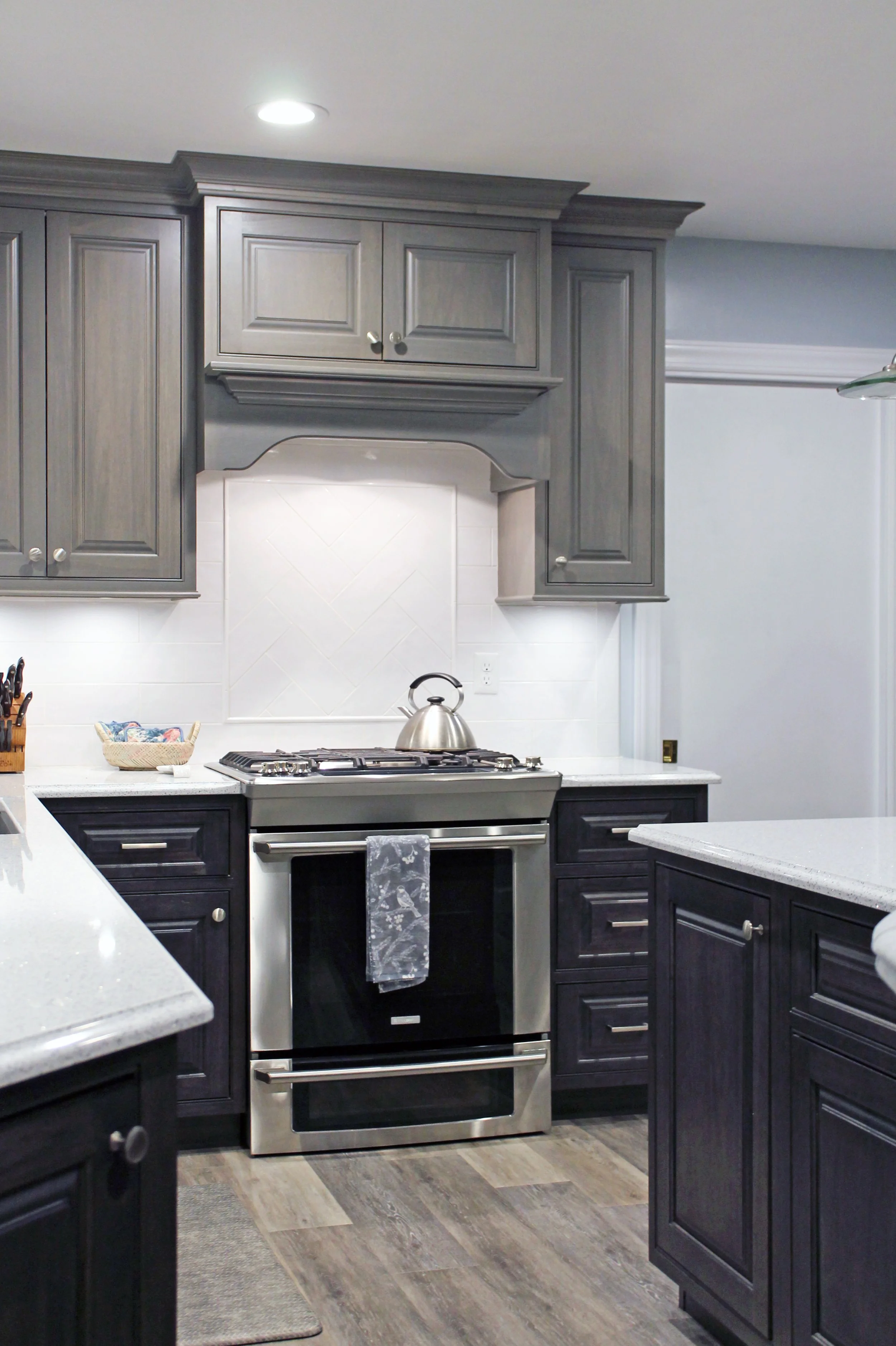
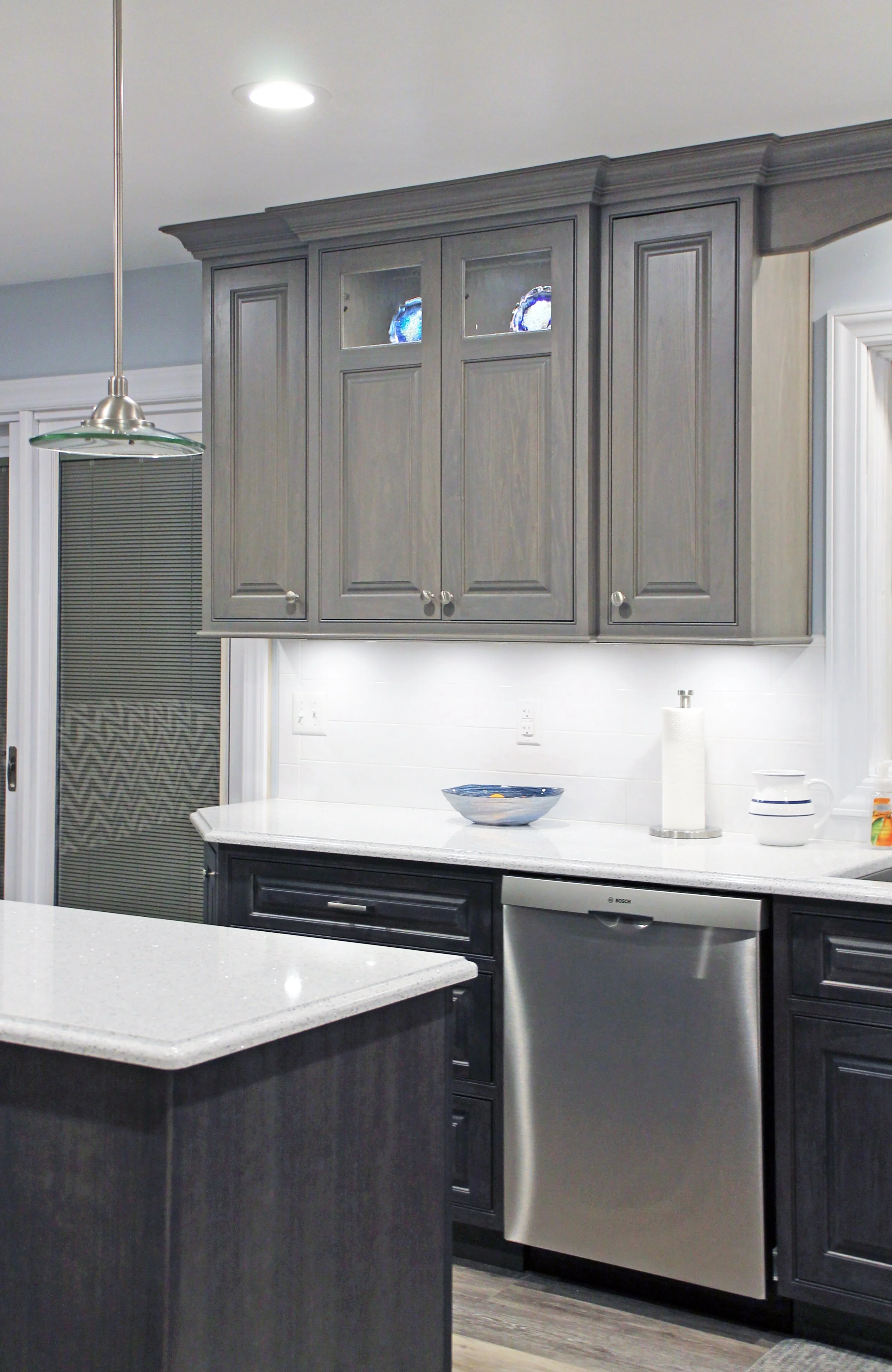
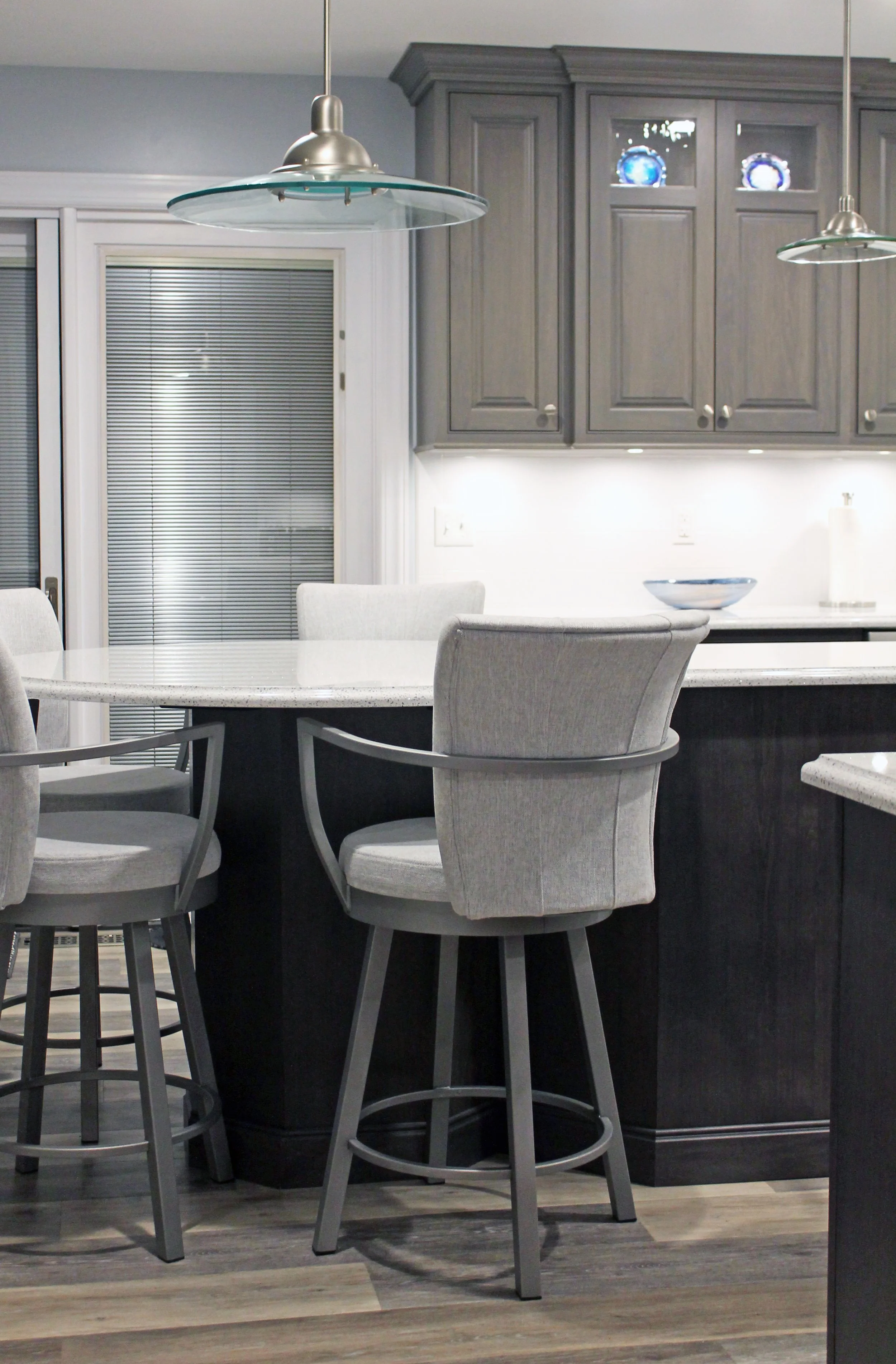
Why Great Kitchens Aren’t Designed From Photos
Most kitchen projects start the same way: a photo saved online, a showroom display, or a style someone falls in love with. There’s nothing wrong with that. Kitchens should look good. But kitchens that are designed primarily from images often miss something more important — how they actually work day to day.
At CabAve, we see this all the time. Homeowners don’t usually say their kitchen was “designed wrong.” Instead, they describe small frustrations that never went away. Storage that doesn’t make sense. Layouts that feel awkward once real life sets in. Cabinets that looked great on install day, but don’t feel great to live with.
That disconnect isn’t about trends changing. It’s about starting with how a kitchen looks instead of how it’s used.
Why CabAve Starts With How You Live
One of the simplest things we say — and mean — is this: our job is to listen.
Before we talk about cabinet brands, door styles, or finishes, we focus on understanding how you live in your kitchen. Who does most of the cooking? How many people are usually in the space at once? Do you cook every night, or mainly on weekends? Do you entertain often, or is the kitchen more about everyday meals and routines?
These conversations matter because kitchens don’t fail all at once. They fail in small, daily ways. If we don’t understand how you use the space, we can’t design it to work well — no matter how good it looks.
Designing for Real Life, Not the Average Kitchen
Most cabinet systems are designed around averages. Average sizes. Average storage needs. Average assumptions about how people cook.
But real kitchens aren’t average. Ceiling heights vary. Families grow. Cooking habits change. What works fine on paper often feels compromised once you’re actually using the space.
That’s why CabAve offers multiple cabinet lines and options — not to overwhelm people, but to make sure we can balance exactly what you want with exactly what you want to spend, without forcing unnecessary compromises.
Where Kitchens Usually Go Wrong Over Time
We hear a version of this comment all the time: “We liked our old kitchen… it just never worked the way we hoped.”
That usually comes down to a few predictable issues. Storage placed far from where it’s needed. Cabinets that don’t hold up to daily use. Layouts that feel tight once more than one person is in the room.
None of these problems show up on a showroom floor. They show up months or years later — when the kitchen has been used enough for the weak spots to reveal themselves.
Getting the Most for Your Money Means Making Smart Decisions Early
We’re very direct about this: dropping the price on a kitchen is easy. You can reduce the number of cabinets, simplify the design, or change brands. The challenge is doing that without giving up the things that actually matter long-term.
Our job is to explore every avenue — layout, cabinet options, construction, and timing — to get you the most kitchen for your money. That’s not about cutting corners. It’s about knowing where flexibility exists and where it doesn’t.
Why Process Matters More Than People Expect
A good kitchen isn’t the result of one great decision. It’s the result of many good decisions made at the right time.
CabAve’s process is designed to keep projects efficient and costs under control by guiding homeowners through decisions in a clear, manageable way. You’re not asked to decide everything at once. You’re asked to make the right decision at the right moment.
That structure is what allows talented people to focus on your project when they’re needed most — and that’s what keeps quality high without driving costs up.
What Long-Term Satisfaction Really Looks Like
Of course we want you to love your kitchen the day it’s installed. But what matters more to us is how you feel about it later.
We often say we want you to text us two years from now and tell us how happy you still are. That’s not a slogan — it’s a benchmark. When a kitchen is designed around how people actually live, it holds up emotionally as well as physically.
Final Thought: A Kitchen That Still Feels Right
The best kitchens don’t announce themselves every time you walk into the room. They feel natural. They work the way you expect them to. They don’t require constant adjustment or explanation.
When design decisions are grounded in real life — and guided by experience — the result is a kitchen that still feels right long after the excitement of something new has worn off.