
Planning a Kitchen You’ll Still Love Five Years From Now
Why Short-Term Decisions Often Create Long-Term Frustrations
Most homeowners begin a kitchen project focused on what they can see immediately: cabinet styles, countertops, colors, hardware, lighting. Those choices matter. They help define the character of the space, and they are often the details people get excited about first.
But the kitchens people remain happiest with years later are usually the ones where the planning process went deeper than appearances. A kitchen may look beautiful on installation day and still become frustrating over time if the design did not fully account for how the space would actually be used.
That is why the early planning conversations matter so much. Before anyone gets too attached to a finish, a cabinet door, or a particular image, it helps to slow down and ask what the kitchen needs to do every day.
At CabAve, we have learned that homeowners rarely regret spending time thinking carefully through function, layout, storage, workflow, and budget priorities. The regrets usually come from rushing those conversations or assuming they can be solved later.
Good kitchens are not accidental. They are the result of thoughtful decisions made before construction begins.
Think About Daily Routines Before Choosing Materials
One of the most useful things homeowners can do before a kitchen project is simply pay attention to how they currently use the space.
Where does clutter collect? Where do people get in each other’s way? Which cabinets are opened constantly? Which areas are avoided because they are inconvenient? What happens during a busy weeknight? What happens when guests are over?
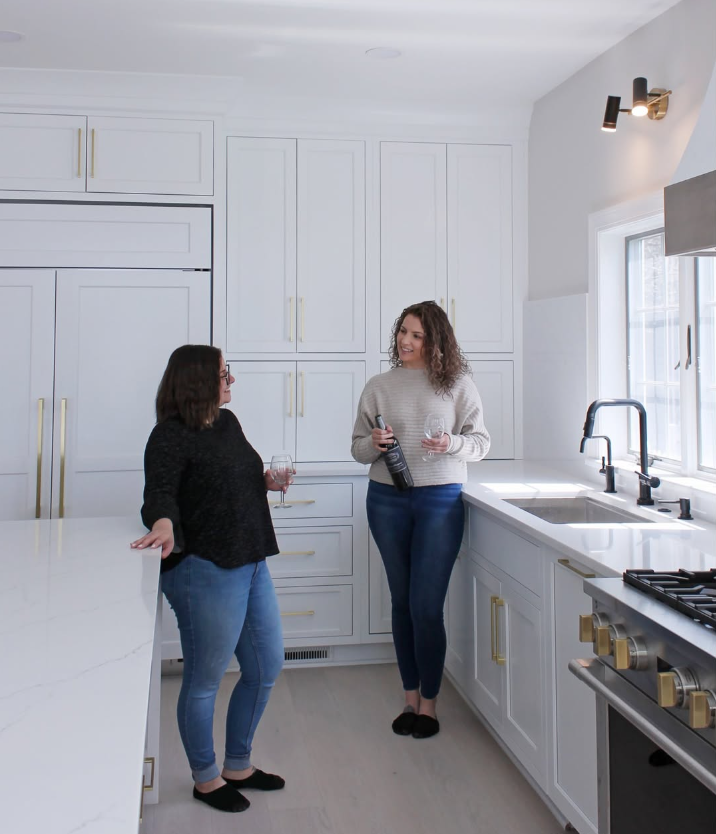
These observations are often more valuable than starting with a list of colors or trends. Finishes can be selected later. Daily routines need to be understood early.
A kitchen that supports everyday life well will continue to feel satisfying long after the excitement of new finishes wears off. That does not mean appearance is unimportant. It means the look of the kitchen should support a larger plan, not substitute for one.
“The look of the kitchen should support a larger plan, not substitute for one.”
Storage Problems Usually Start With Planning Problems
Most storage frustrations are not caused by a simple lack of cabinets. They are caused by cabinets being planned without enough consideration for how items are actually used.
We often see kitchens where frequently used items are stored too far from the prep area, deep cabinets become inaccessible clutter zones, pantry space exists but is not organized around real habits, and small appliances never had a good home in the first place.
The result is a kitchen that technically has enough storage, but still feels disorganized.
Planning storage correctly means thinking specifically about cookware, food storage, serving pieces, cleaning supplies, small appliances, and daily access. It also means being honest about how the household actually behaves. Some families are careful organizers. Others need systems that are easy to maintain on busy days.
The more clearly these details are discussed early, the more natural the kitchen tends to feel later.
Why Layout Matters More Than Most Homeowners Expect
Many homeowners initially focus on finishes because finishes are easier to visualize. Layout decisions are harder. They affect movement, spacing, and daily interaction rather than appearance alone.
But layout is often what determines whether a kitchen feels calm or frustrating.
A well-planned layout reduces unnecessary movement, supports multiple people using the space at once, keeps work zones intuitive, and allows the kitchen to function naturally during busy moments. A poor layout can make even a beautiful kitchen feel awkward.
Small adjustments in layout can sometimes improve the experience of a kitchen more than expensive material upgrades. Moving storage closer to where it is used, widening a tight pathway, or rethinking the relationship between prep, cooking, and cleanup can change how the entire room feels.
That is why layout deserves serious attention before the visual decisions take over.
Planning for Everyday Life — Not Just Entertaining
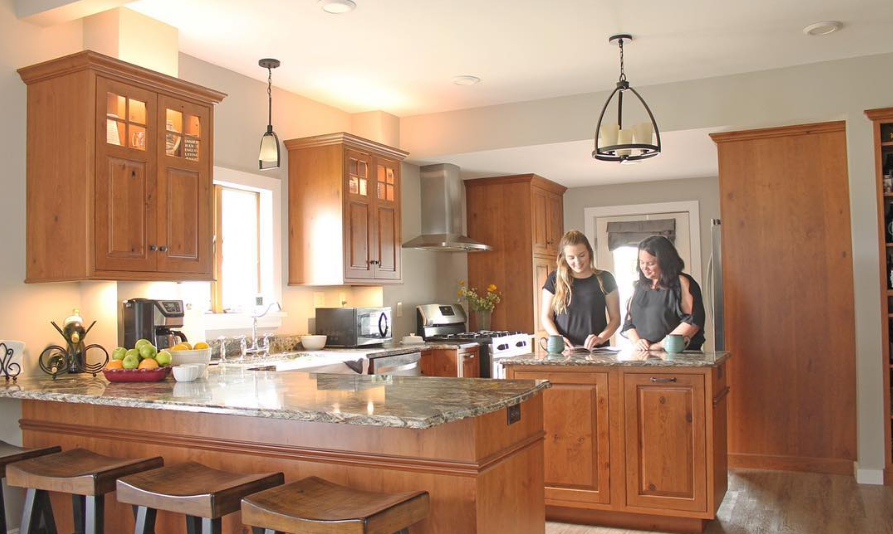
Many kitchens are imagined around special occasions: holidays, gatherings, parties, and full houses. Those moments matter. A good kitchen should support them.
But most kitchens spend far more time supporting ordinary routines than special events.
Weeknight cooking matters. School mornings matter. Grocery unloading matters. Cleanup matters. Coffee, snacks, lunch prep, homework, phone chargers, pet bowls, and everything else that finds its way into the kitchen all matter.
The best kitchens handle normal life comfortably. They do not require the household to behave perfectly in order for the space to work.
When the everyday routines are solved well, entertaining becomes easier too. A kitchen that works on a Tuesday night will usually work better on a holiday.
What Long-Term Satisfaction Actually Looks Like
CabAve, we care about how homeowners feel when the kitchen is installed. Of course we do. But the better measure is how they feel after living with it.
Long-term satisfaction usually comes from a layout that still feels intuitive, storage that continues to make sense, materials that hold up to real use, and design decisions that were not based entirely on what felt current at the moment.
A kitchen does not need to be overly complicated to work well. In many cases, the strongest designs are the ones where every decision feels useful, clear, and connected to the way the household lives.
That is the kind of planning that makes a kitchen feel good five years later, not just five days after completion.
Final Thought: Slow Down the Early Decisions
One of the best things homeowners can do during a kitchen project is resist the urge to rush the planning phase.
The more thoughtfully you think through how you live, cook, move, store, and use the space, the better the final kitchen tends to feel.
Because the kitchens people love most over time are rarely the ones that chased trends most closely. They are the ones that were planned carefully enough to keep working well long after the project was finished.
“The kitchens people love most over time are usually the ones that were planned carefully enough to keep working well.”