Kitchen Design Styles: Finding the Right Look for Your Home
Choosing a kitchen style can feel surprisingly difficult.
Most homeowners know what they like when they see it. They may have saved dozens of kitchens online, noticed details in friends' homes, or started collecting ideas for cabinets, countertops, lighting, and hardware. But when those individual ideas come together, it can be harder to answer a more basic question:
What should this kitchen actually feel like?
Traditional? Modern? Warm and relaxed? Clean and architectural? Should it look as though it has always belonged in the house, or should it create an intentional contrast with the architecture around it?
There is no single right answer.
At CabAve, we think kitchen style works best when it grows from a combination of the homeowner, the architecture of the house, and the way the space will actually be used. Understanding the major kitchen design styles gives you a vocabulary for having that conversation with your designer.
Start With the House --- But Don't Let It Make Every Decision

The architecture of your home is one of the best places to begin.
A kitchen in a 1920s Colonial has a different context than one in a mid-century ranch, a Victorian, a farmhouse, or a newly built contemporary home. Ceiling heights, windows, trim, flooring, room proportions, and adjoining spaces all contribute to the character that is already there.
You can choose to reinforce that character.
You can also reinterpret it.
A historic home doesn't necessarily require a historically accurate kitchen. Likewise, a contemporary addition doesn't mean every cabinet needs to be stark and minimal. Sometimes the most interesting kitchens create a thoughtful contrast between old and new.
The important thing is that the relationship feels intentional.
Before choosing a style label, ask yourself whether you want the new kitchen to blend with the architecture, update it, or deliberately stand apart from it.
That decision can eliminate a lot of confusion later.
Traditional Kitchens
Traditional kitchen design draws from established architectural details and furniture-making traditions. You'll often see framed cabinetry, raised or detailed door profiles, moldings, decorative panels, substantial islands, and materials with warmth and depth.
But traditional does not have to mean ornate.
A well-designed traditional kitchen can be restrained and tailored, particularly when the architecture of the home already provides plenty of detail. The goal is usually a sense of permanence and proportion rather than decoration for decoration's sake.
Traditional kitchens can be especially comfortable in Colonial, Georgian, Tudor, Victorian, and other older homes, where the cabinetry can relate naturally to existing trim and architectural details.
Transitional Kitchens
Transitional may be one of the most useful — and most misunderstood — kitchen categories.
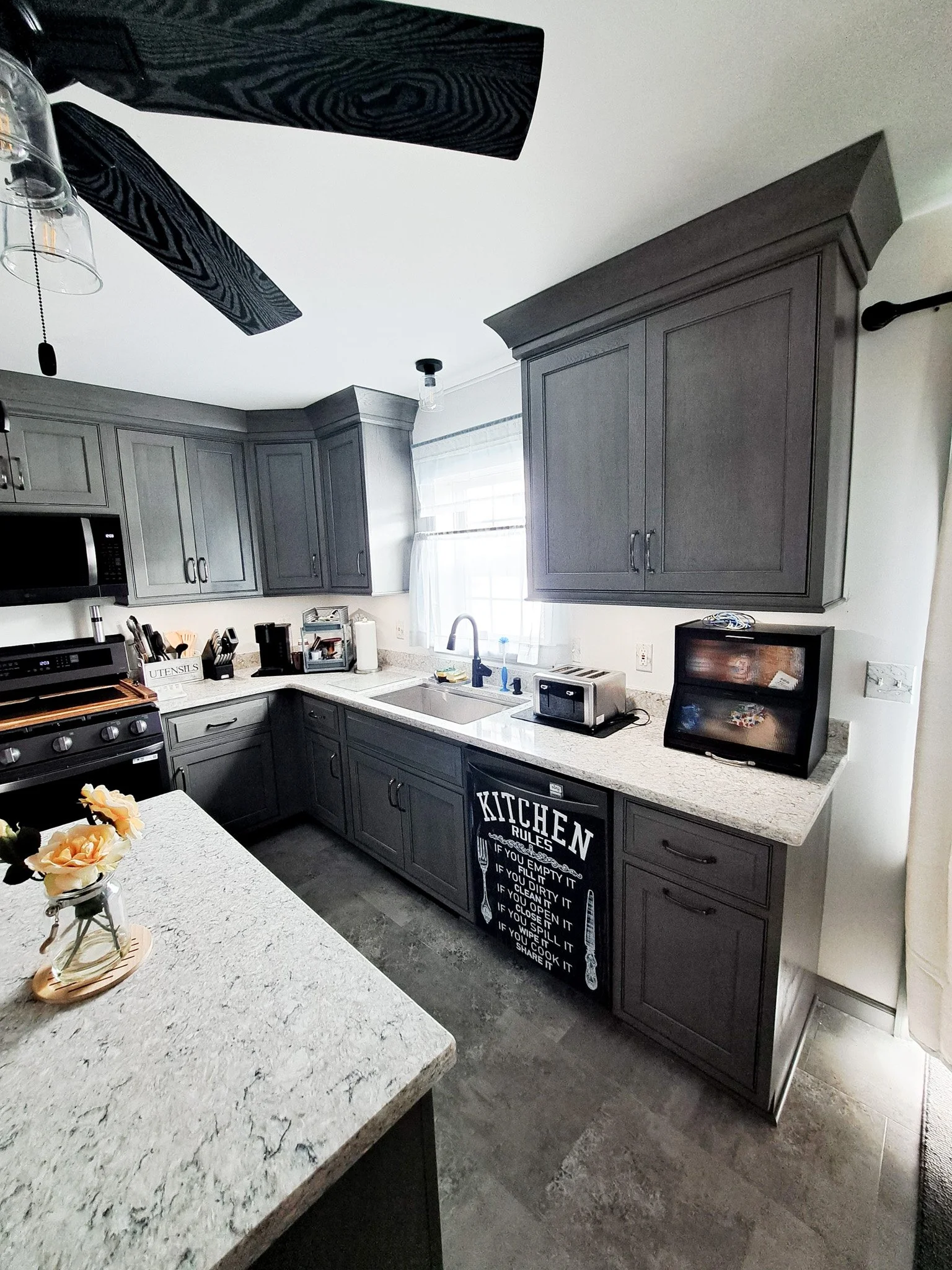
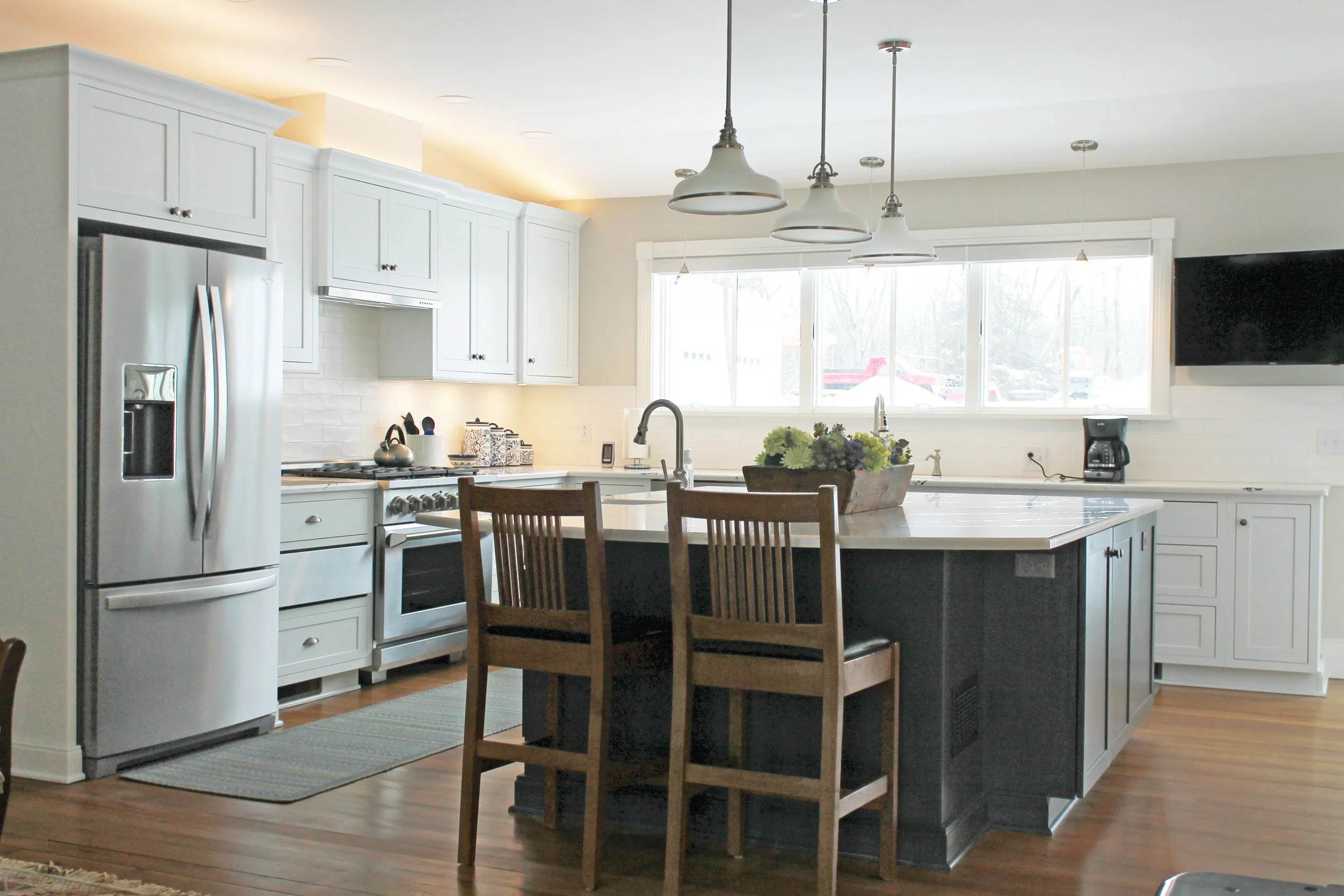
It occupies the territory between traditional and contemporary design. The cabinetry may have familiar details such as Shaker-style doors, but the overall composition is simplified. Moldings are quieter. Hardware is cleaner. Colors may be more restrained.
For many homeowners, transitional design provides flexibility.
It can update an older home without making the kitchen feel disconnected from the rest of the architecture. It can also add warmth and familiarity to a newer home that might otherwise feel too minimal.
A great transitional kitchen shouldn't feel like two styles competing with each other. It should feel like the unnecessary details have simply been edited away.
Contemporary Kitchens
Contemporary kitchen design reflects the way people are designing now rather than following one fixed historical style.
That distinction matters because contemporary design changes over time.
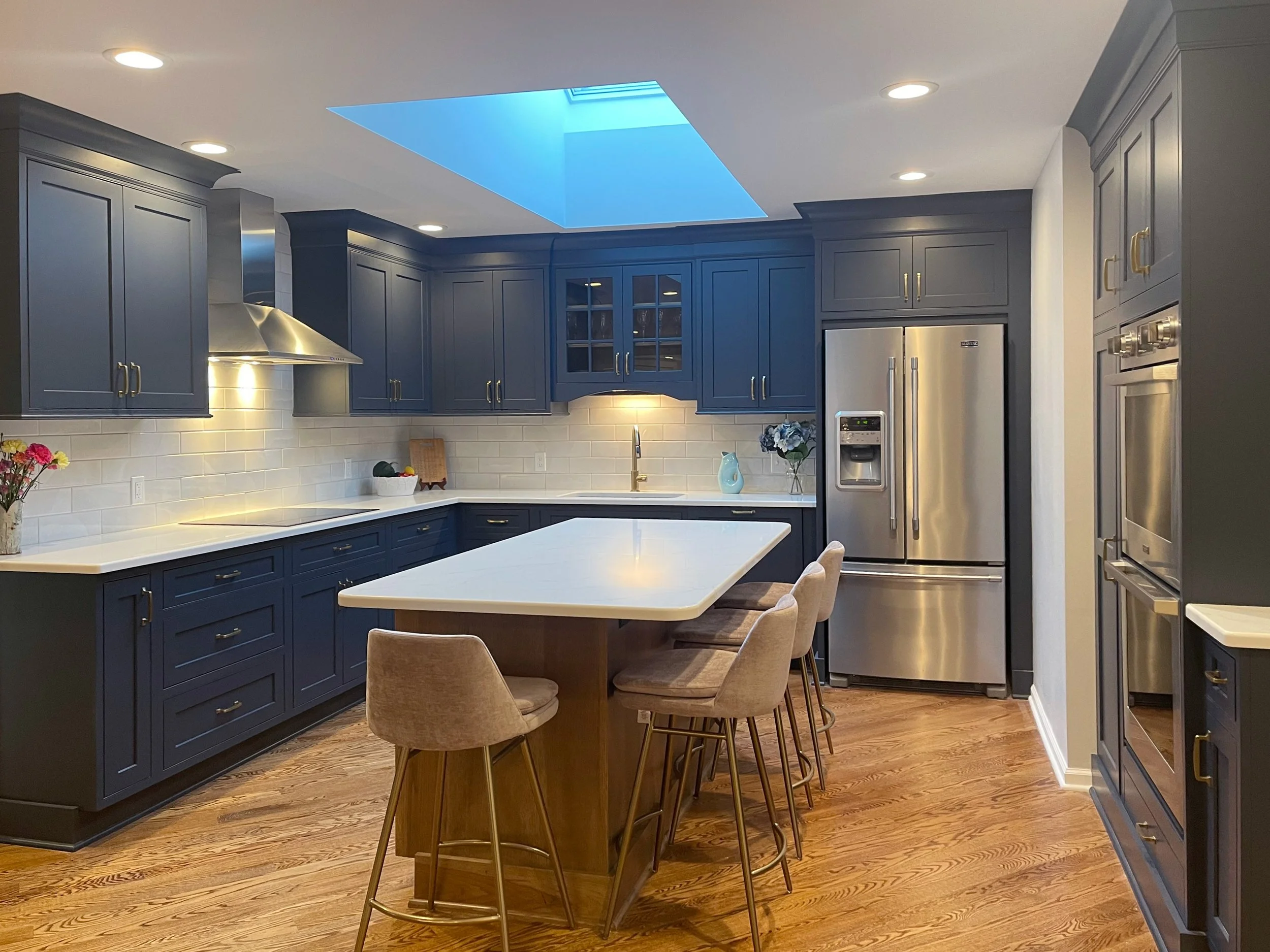
Today's contemporary kitchens often emphasize clean lines, simplified cabinetry, large uninterrupted surfaces, restrained palettes, and careful integration of appliances and storage. Materials may provide much of the visual interest rather than decorative cabinet details.
Contemporary doesn't necessarily mean cold. Natural wood, textured stone, warm metals, and thoughtful lighting can create spaces that feel comfortable while remaining visually clean.
In the right house, contemporary cabinetry can reinforce the architecture. In an older home, it can create a deliberate new layer that clearly distinguishes today's work from what came before it.

Modern Kitchens
"Modern" and "contemporary" are often used interchangeably, but they aren't quite the same thing.
Modern design generally refers to ideas that emerged from the modernist movement: simplicity, functional forms, minimal ornament, and an emphasis on materials and construction.
In a kitchen, that can translate into slab doors, frameless cabinetry, simple hardware or integrated pulls, strong horizontal lines, and carefully controlled proportions.
A modern kitchen often works particularly well in mid-century and contemporary architecture, but the contrast of very simple cabinetry within an older structure can also be striking when handled carefully.
The challenge with modern design is that simplicity leaves fewer places to hide. Proportion, alignment, installation, and material choices become especially important.
Farmhouse and Country Kitchens
Farmhouse kitchens are built around warmth, utility, and a sense of familiarity.
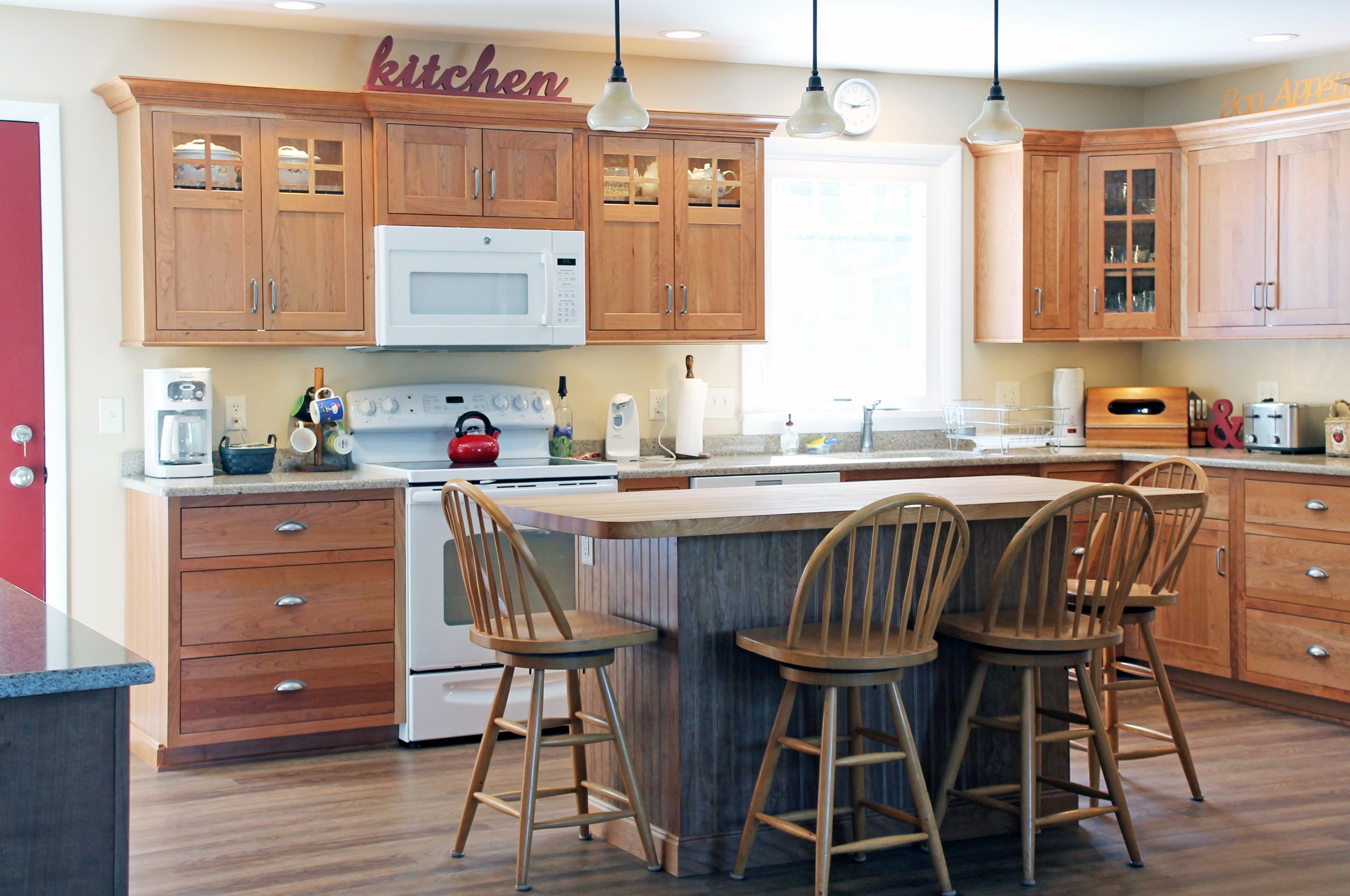
Natural wood, painted cabinetry, apron-front sinks, open shelving, traditional door styles, and worktable-inspired islands can all contribute to the look. But the best farmhouse kitchens don't feel like collections of farmhouse-themed objects.
They feel practical.
That distinction is important.
A genuine farmhouse or country-inspired kitchen should draw from the straightforward character of the style rather than simply adding decorative signs, distressed finishes, or other trend-driven elements.
These kitchens can be especially appropriate in rural homes, historic farmhouses, cottages, and houses where natural materials already play an important role.
Craftsman and Arts & Crafts Kitchens
Craftsman kitchens emphasize materials, workmanship, and visible construction.
Wood is often central to the design, particularly species with noticeable grain and warmth. Cabinetry tends to feel substantial without becoming overly decorative, and details are usually purposeful rather than applied.
In Arts & Crafts, Craftsman, or bungalow-style homes, this approach can connect beautifully with existing woodwork and architectural details.
The same principles can also influence a newer kitchen without turning it into a historical reproduction. Natural materials, straightforward cabinet construction, and an emphasis on craftsmanship can create a kitchen that feels grounded and enduring.
Cottage Kitchens
Cottage kitchens tend to be smaller in scale, relaxed, and personal.
Painted cabinetry, simple door styles, warm woods, open shelving, traditional hardware, and softer colors can all work within the style. Unlike a highly formal traditional kitchen, a cottage kitchen can tolerate — and often benefits from — a little variation.
The result should feel collected rather than perfectly matched.
Cottage style can work particularly well in older homes, lake houses, smaller properties, and spaces where homeowners want the kitchen to feel comfortable rather than grand.
Coastal Kitchens
Coastal design is another category that can quickly become too literal.
A successful coastal kitchen doesn't need anchors, seashells, or nautical decorations. Instead, the style can be communicated through light, color, texture, and material.
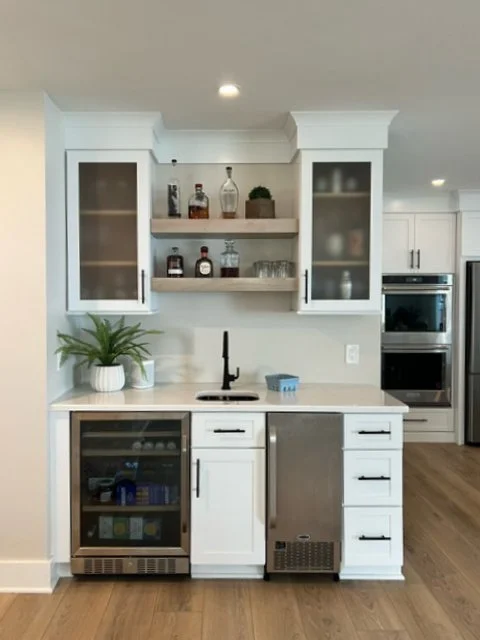
Lighter woods, painted cabinetry, natural textures, soft blues and greens, warm whites, and an emphasis on daylight can create a kitchen that feels connected to its setting without becoming themed.
The same thinking can apply whether the home sits near an ocean, a Finger Lake, or simply has an architecture that benefits from a lighter, more relaxed approach.
Rustic Kitchens
Rustic kitchens allow natural materials to show more of their character.
Wood grain, knots, stone, textured surfaces, heavier proportions, and finishes with visible variation can all contribute to the style. The goal isn't necessarily to make everything look old. It's to avoid making everything look overly perfected.
Rustic design can work naturally in cabins, rural properties, timber-frame homes, and houses with strong natural surroundings.
It can also be used selectively. A more refined kitchen might incorporate a rustic island, reclaimed material, or heavily figured wood as a counterpoint to cleaner cabinetry elsewhere.
European-Inspired and Old-World Kitchens
European-inspired kitchens cover a broad territory, from refined English cabinetry to French country kitchens and more substantial Mediterranean or Old-World interiors.
What many of these approaches share is a willingness to treat cabinetry more like architecture or furniture. Individual pieces may have stronger identities. Materials can be layered. Details may be more prominent than they would be in a contemporary American kitchen.
These styles require some restraint.
When every surface is trying to communicate "Old World," the room can quickly feel themed. When the influences are chosen carefully, however, the kitchen can have tremendous depth and character.
Eclectic Kitchens
Some of the most personal kitchens don't fit neatly into any single category.
An eclectic kitchen might combine traditional cabinetry with contemporary lighting, a modern island with an antique hutch, or painted perimeter cabinets with a completely different wood species at the island.
The key is intention.
Eclectic doesn't mean choosing unrelated things you happen to like and hoping they work together. Successful eclectic design usually has a few strong elements providing continuity — proportion, color, material, or architectural rhythm — while other elements introduce contrast.
Done well, the kitchen feels personal rather than prescribed.
You Don't Have to Pick One Style From a List
Kitchen style isn't a personality quiz.
You don't need to walk into your first design meeting knowing that you're "70 percent transitional and 30 percent modern." And you don't need every decision in the room to fit neatly under the same label.
These categories are useful because they help homeowners and designers communicate.
You might discover that what you really like about traditional kitchens is the sense of permanence, but you prefer the cleaner surfaces of contemporary design. Or you may love the warmth of a farmhouse kitchen without wanting anything overtly rustic.
Those distinctions give your designer something useful to work with.
Bring Examples --- Including Things You Don't Like
When you're preparing for a kitchen design conversation, save examples of spaces that appeal to you. Don't worry initially about whether they all belong to the same style.
Then look for patterns.
Are the cabinets mostly painted or stained? Are the rooms visually quiet or highly detailed? Do you consistently choose warm materials? Are the kitchens symmetrical? Do you prefer cabinetry that feels like furniture or cabinetry that almost disappears into the architecture?
It can be equally helpful to bring examples you don't like.
Sometimes "I don't want my kitchen to feel like this" communicates more clearly than trying to name a style.
A good designer can help translate those reactions into actual design decisions.
The Best Style Is the One That Makes Sense in Your Home
Trends will always influence kitchen design. That's part of what makes designing a new kitchen enjoyable.
But style works best when it isn't chosen in isolation.
Your home's architecture provides context. Your own preferences provide personality. Your budget determines where choices need to be made. And the way your household lives in the space determines whether the kitchen will actually work.
CabAve's job is to listen to all of that, explore the available options, and help you find the best path.
Sometimes that means designing a kitchen that feels as though it could have always been part of the house. Sometimes it means introducing something clearly new. And sometimes the right answer sits somewhere between the two.
The goal isn't to give your kitchen a perfect style label.
It's to create a kitchen that looks right in the house, feels right to you, and still feels right years after the project is finished.